

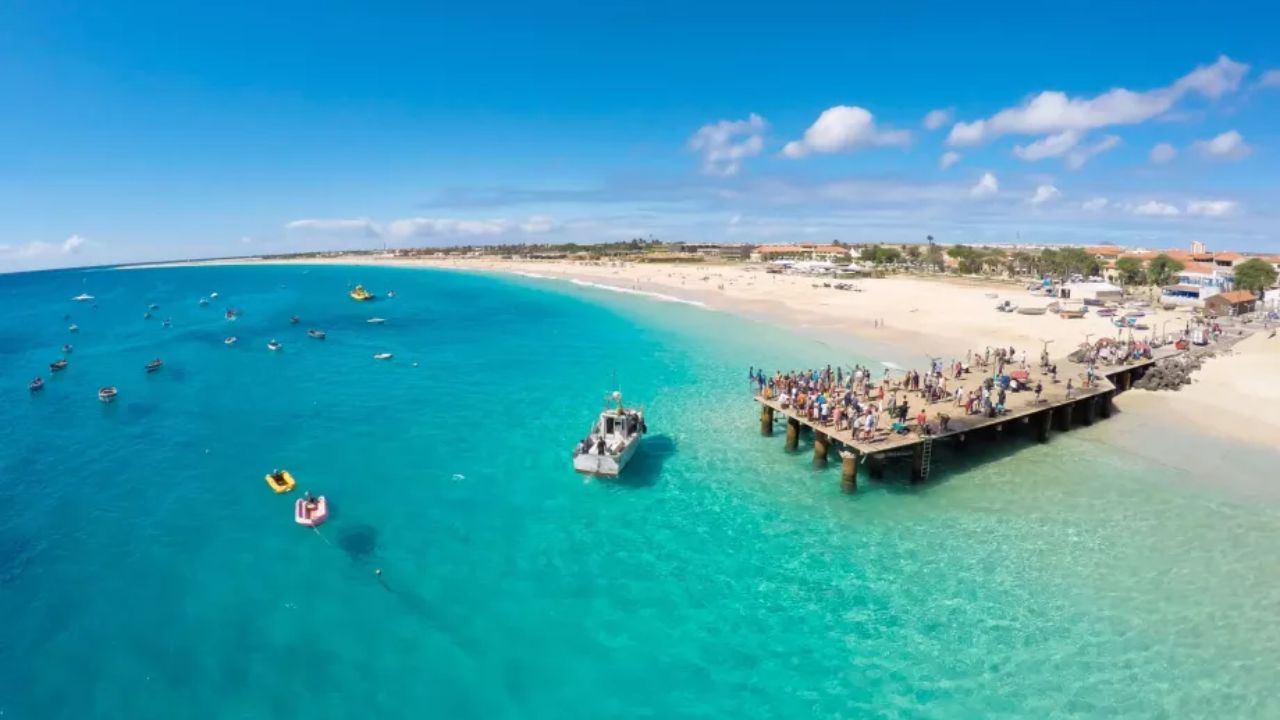
Cape Verde is often marketed as a year-round destination, but many travelers still ask one important question before booking summer flights: is it too hot to visit? The short answer is no, but summer travel does come with specific conditions you should understand before you go. From temperatures and humidity to wind, ocean conditions, and regional differences, summer in Cape Verde has both advantages and trade-offs.
This guide explains what Cape Verde weather is really like during summer and whether it suits your travel style.
Table of Contents
When Is Summer in Cape Verde?
Summer in Cape Verde typically runs from June through September, with August and September being the warmest and most humid months. This period overlaps with the islands’ short rainy season, although rainfall is still limited compared to many tropical destinations.
Despite being located near West Africa, Cape Verde’s climate is strongly influenced by the Atlantic Ocean, which helps moderate extreme heat.
Average Summer Temperatures
During summer, daytime temperatures across most islands usually range between 26°C and 30°C (79°F to 86°F). On particularly warm days, temperatures may rise slightly above 30°C, especially inland on larger islands like Santiago.
Nighttime temperatures remain comfortable, generally between 22°C and 25°C (72°F to 77°F). Air conditioning is common in hotels and resorts, but many travelers find evenings pleasant enough without it.
Overall, Cape Verde does not experience the intense, oppressive heat seen in some Middle Eastern or mainland African destinations during summer.
Does Cape Verde Feel Humid in Summer?
Humidity does increase in summer, especially from August to early September. However, coastal breezes play a major role in keeping conditions tolerable. On islands such as Sal, Boa Vista, and São Vicente, steady trade winds often prevent the air from feeling stagnant.
That said, humidity can feel more noticeable:
- In urban or inland areas
- During windless afternoons
- On Santiago and Fogo compared to flatter islands
For most beach-focused travelers, humidity is manageable and rarely trip-disrupting.
Rainfall: Should You Worry?
Cape Verde’s rainy season is short and unpredictable. Summer rain usually comes in brief showers, often overnight or early morning, rather than all-day downpours.
August and September have the highest chance of rain, but many days still remain dry. Some years experience very little rainfall at all. When rain does occur, it can be welcome, cooling the air and refreshing landscapes, particularly on mountainous islands.
Flooding or prolonged storms are uncommon in tourist areas.
Wind and Ocean Conditions in Summer
One of Cape Verde’s defining climate features is wind. Summer winds are generally lighter than winter trade winds, especially in July and August. This makes summer appealing for:
- Swimming
- Boat trips
- Snorkeling
- Relaxed beach days
However, late summer can still offer good conditions for kitesurfing and wind-based sports, particularly on Sal and Boa Vista.
Sea temperatures in summer range from 23°C to 26°C (73°F to 79°F), making the ocean noticeably warmer than in winter and very comfortable for extended swimming.
Is Summer a Good Time for Beach Travel?
Yes, summer is an excellent time for beach-focused travel in Cape Verde. The combination of warm air, warmer water, and calmer seas creates ideal conditions for:
- Resort stays
- Island hopping
- Family travel
- Leisure swimming
Sun protection is essential, as UV levels are high year-round, and summer sun can be intense even when temperatures feel moderate.
Island Differences Matter
Not all Cape Verde islands feel the same in summer.
Flatter islands like Sal and Boa Vista tend to feel breezier and slightly cooler due to constant ocean exposure. Mountainous islands such as Santiago, Santo Antão, and Fogo may feel warmer inland, especially during midday.
Choosing the right island can make a noticeable difference in comfort during summer months.
Who Should Avoid Summer Travel?
Summer may be less ideal if you:
- Are very sensitive to humidity
- Prefer cooler hiking conditions
- Dislike any chance of rain
- Want peak conditions for strong-wind sports
For these travelers, winter or early spring may be a better fit.
Final Verdict: Is It Too Hot?
Cape Verde is not too hot for summer travel for most visitors. Temperatures remain moderate, ocean breezes provide relief, and rainfall is limited. Summer is particularly well-suited for beach lovers, relaxed itineraries, and travelers seeking fewer crowds.
If you plan around midday heat, stay hydrated, and choose the right island, summer can be a rewarding and comfortable time to experience Cape Verde without the peak-season crowds.

Joao Fernandes is a climatologist and historian specializing in Cape Verde’s weather patterns and island history, with fifteen years at the national meteorological institute and university research. Based in Praia, Cape Verde, his professional background blends climate analysis, historical archival research, and public policy advising. His expertise covers seasonal wind and rainfall forecasts, climate resilience for coastal communities, and archival studies of colonial-era records. Joao co-authored the book “Climate and Culture of Cape Verde,” published peer-reviewed papers, and advised municipal planners on weather-informed heritage conservation.