

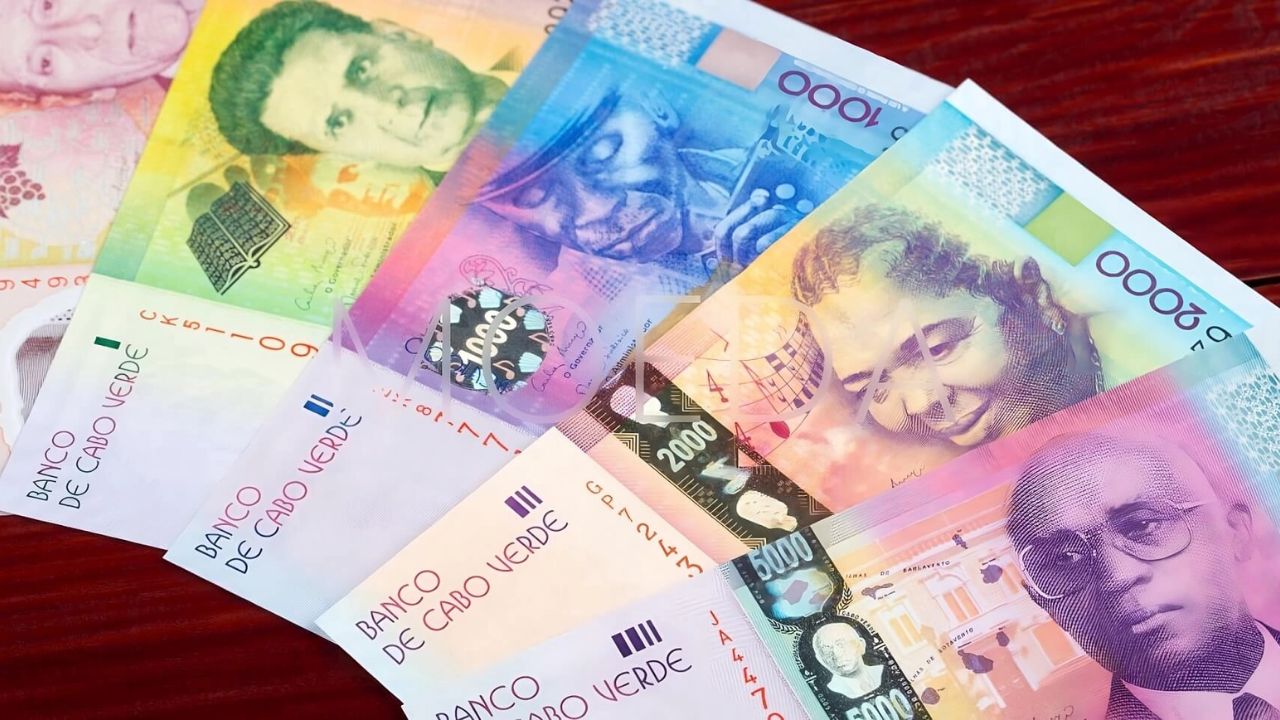
Traveling to Cape Verde is relatively simple when it comes to money, but there are a few important details every visitor should understand before arriving. Currency availability, card acceptance, and ATM access vary by island and location. This guide explains how money works in Cape Verde, what to carry, and how to avoid common payment problems during your trip.
Official Currency Used in Cape Verde
The official currency of Cape Verde is the Cape Verdean Escudo, abbreviated as CVE. Locally, prices are often written using the dollar sign format (for example, 1.000$00), but this does not mean U.S. dollars are accepted. It simply represents escudos.
Table of Contents
Cape Verde operates a fixed exchange rate system, where the escudo is pegged to the euro. This provides stability and makes exchange rates predictable for travelers.
Can You Use U.S. Dollars or Euros?
U.S. dollars are generally not accepted for daily purchases. In a few tourist-heavy hotels or resorts, staff may accept euros, but this should not be relied on. Even when euros are accepted, the exchange rate is usually unfavorable.
For practical purposes, travelers should plan to use escudos for most transactions, especially outside large resorts and city centers.
Exchanging Money in Cape Verde
Money can be exchanged at banks, official exchange offices, and some hotels. Banks typically offer the best rates, but lines can be long and hours are limited, especially outside major cities.
Hotels may offer exchange services for convenience, but rates are often slightly worse. Airports have exchange counters, which are useful for initial cash needs, though rates may be less competitive.
It is recommended to exchange small amounts at a time and rely on ATMs when possible.
Using ATMs in Cape Verde
ATMs are widely available on major islands such as Sal, Santiago, São Vicente, and Boa Vista. They are commonly found in airports, city centers, and near banks. ATMs dispense escudos only.
Most international debit cards work, but withdrawal limits are relatively low per transaction. Multiple withdrawals may be required for larger amounts, which can increase foreign transaction fees.
On smaller islands or in rural areas, ATMs may be scarce or temporarily out of service, so carrying backup cash is important.
Credit and Debit Card Acceptance
Credit and debit cards are accepted at many hotels, resorts, car rental agencies, and larger restaurants. Visa is the most widely accepted network, while Mastercard is common but slightly less universal. American Express is rarely accepted.
Outside tourist zones, card acceptance drops significantly. Small shops, local restaurants, markets, taxis, and ferry ticket offices often operate on a cash-only basis.
Travelers should not assume card payment will be available, even in towns, and should always carry some cash.
Cash vs Cards: What Works Best
For most visitors, a mix of cash and cards works best. Cash is essential for everyday expenses such as taxis, tips, local meals, and small purchases. Cards are useful for hotels, tours, and higher-value payments where accepted.
Relying solely on cards can be risky due to connectivity issues, power outages, or limited acceptance. Carrying too much cash, however, increases the risk of loss or theft. Balance is key.
Bank Fees and Transaction Costs
Foreign cards are usually subject to international withdrawal fees from both the local bank and your home bank. Currency conversion fees may also apply.
Before traveling, check with your bank about international fees and daily withdrawal limits. Some banks allow temporary limit increases or offer travel-friendly debit cards.
Credit card transactions may include foreign transaction fees, typically ranging from 1% to 3%.
Tipping and Everyday Payments
Tipping is not mandatory in Cape Verde, but it is appreciated for good service. Small cash tips are common in restaurants, hotels, and with tour guides.
Taxi fares are usually negotiated or fixed locally and paid in cash. Small denominations are helpful, as drivers may not have change for large bills.
Markets and street vendors operate strictly in cash and often prefer exact amounts.
Money Safety Tips for Travelers
Cape Verde is generally safe, but standard money precautions apply. Avoid carrying large sums of cash at once, use hotel safes when available, and keep money in multiple places.
When using ATMs, choose machines inside banks or well-lit areas. Inform your bank of travel plans to avoid card blocks.
Keep a small emergency amount of cash separate from your main wallet.
Final Money Planning Advice
Understanding how cash, cards, and ATMs work in Cape Verde will make your trip smoother and less stressful. Plan to use escudos for daily spending, rely on ATMs in major areas, and use cards mainly for hotels and organized services.
With basic preparation and realistic expectations, managing money in Cape Verde is straightforward and traveler-friendly.

Marta Silva is a travel writer and certified island guide with over twelve years leading small-group tours across Cape Verde. Based in Praia, Cape Verde, her professional background combines on-the-ground guiding, itinerary planning, and hospitality consulting. Her expertise includes island itineraries, public transport logistics, sustainable travel tips, and local culture immersion. Marta authored the practical guidebook “Discovering Santiago” and contributes island guides for regional tourism publications; she has partnered with Cape Verde’s tourism board on community-based tourism initiatives and regular travel-workshops for visiting journalists.