

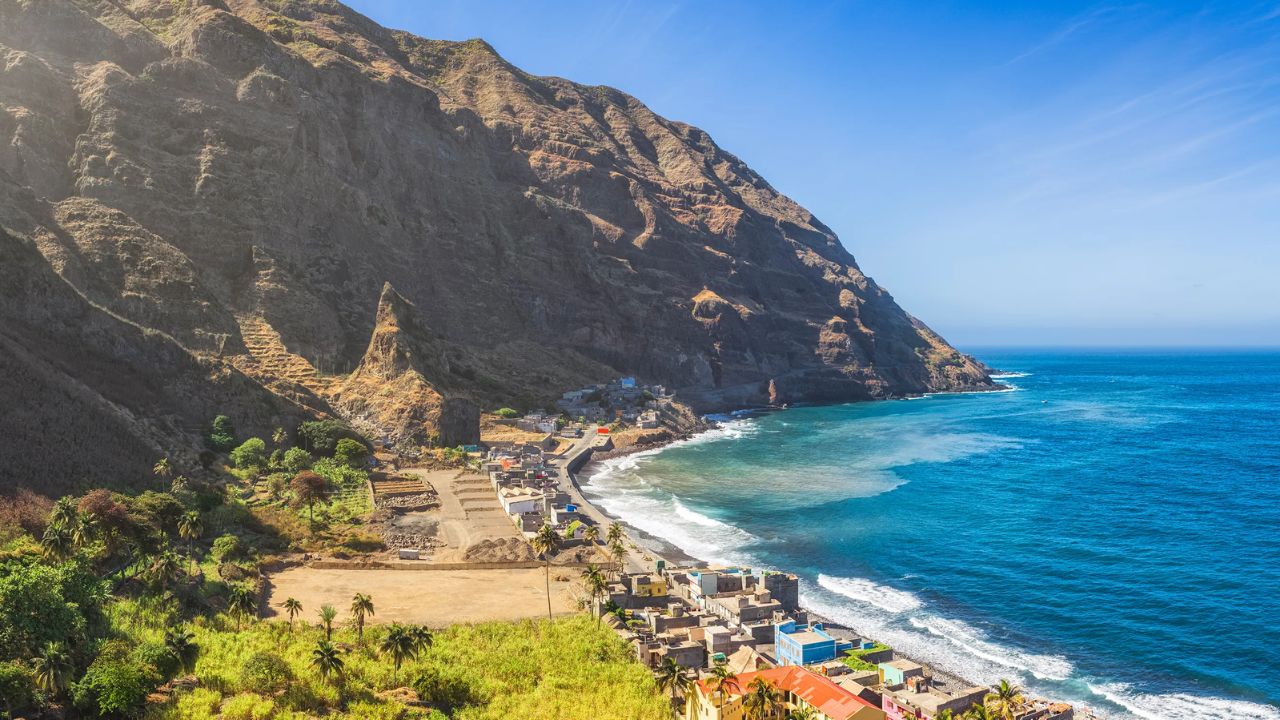
Cape Verde offers a rare balance: you can experience high-end Atlantic beach resorts or explore the islands affordably with local guesthouses and shared transport. Whether you’re planning a relaxed beach holiday on Sal or hiking volcanic trails on Santo Antão, the islands adapt well to both luxury and budget travel styles. The right choice depends on your priorities—comfort and convenience, or flexibility and cultural immersion.
Accommodation: Resorts or Guesthouses?
Luxury travel in Cape Verde is most visible on islands like Sal and Boa Vista. These islands host international beach resorts with oceanfront pools, spa services, private transfers, and all-inclusive packages. Resorts simplify planning—meals, entertainment, and excursions are arranged in advance. This works well for travelers who want minimal logistics and maximum relaxation.
Table of Contents
Budget travel focuses on locally owned guesthouses, small hotels, and rental apartments. On islands like Santiago, São Vicente, and Santo Antão, you’ll find affordable stays close to town centers or hiking trails. These accommodations are simpler but often provide a more personal experience, including local breakfast options and insider recommendations from hosts.
Food and Dining: Fine Dining or Local Plates?
Luxury travelers often dine within resorts or at higher-end coastal restaurants serving fresh seafood, imported wines, and curated tasting menus. Beachfront dining with sunset views is common on Sal and Boa Vista.
Budget travelers typically explore local restaurants and markets. Cape Verdean dishes like cachupa (slow-cooked corn and bean stew), grilled fish, and pastel snacks are affordable and widely available. Eating locally not only reduces costs but also supports small businesses and offers a deeper connection to everyday island life.
Transport: Private Transfers or Shared Rides?
Luxury trips often include airport pickups, organized island tours, and private taxis. Inter-island travel may be arranged in advance, with flight schedules coordinated through tour providers.
Budget travel relies more on aluguers (shared minibuses), public taxis, and booking domestic flights independently. While this approach requires flexibility—especially with ferry or flight timing—it significantly lowers travel expenses. Walking through towns like Mindelo or Praia is also practical and cost-effective.
Activities: Curated Experiences or Self-Guided Adventures?
Luxury visitors often book structured experiences: private catamaran tours, guided volcano hikes on Fogo, spa days, or organized cultural shows. These experiences prioritize comfort and expert guidance.
Budget travelers tend to explore independently. Hiking Santo Antão’s trails, visiting local music venues in São Vicente, or relaxing on public beaches costs little beyond transport and entrance fees. With proper planning and weather awareness, many experiences can be enjoyed affordably without sacrificing quality.
Island Choice Matters
Your island choice influences your overall spending style. Sal and Boa Vista are more tourism-focused, making them ideal for resort-based luxury travel. Santiago and São Vicente blend cultural depth with moderate pricing. Santo Antão attracts hikers and eco-travelers who often travel on a budget. Fogo appeals to adventure seekers, where costs can vary depending on tour preferences.
Choosing islands aligned with your travel style can prevent unnecessary spending or missed experiences.
Budget Planning: What to Expect
Luxury travel in Cape Verde generally means higher nightly accommodation rates, organized excursions, and restaurant dining. However, costs remain competitive compared to many Caribbean destinations.
Budget travel can significantly reduce daily expenses by choosing guesthouses, local eateries, and shared transport. Flights to Cape Verde may be your largest cost, so saving on the ground can make the overall trip more manageable.
Regardless of style, advance planning helps control spending—especially during peak seasons when resort prices and flight demand increase.
Cultural Experience and Community Impact
Luxury tourism contributes to the economy through resort employment and infrastructure development. However, budget and locally focused travel often spreads spending across smaller businesses, markets, and independent guides.
Travelers who prioritize cultural immersion may find budget travel more rewarding, while those seeking relaxation and predictability may prefer luxury stays. Both approaches can be responsible and respectful if visitors engage thoughtfully with local customs and communities.
Weather and Seasonal Considerations
Cape Verde’s dry climate and steady trade winds make it attractive year-round, but windier months may influence beach comfort. Luxury resorts often provide wind-sheltered pools and indoor amenities, while budget travelers may need to plan activities around seasonal conditions. Understanding weather patterns before booking helps align expectations with experience.
Which Travel Style Is Right for You?
Choose luxury travel if you value convenience, organized planning, beachfront amenities, and minimal logistical stress. It suits honeymooners, families seeking comfort, and travelers with limited time.
Choose budget travel if you prioritize flexibility, cultural connection, and cost control. It works well for solo travelers, backpackers, and those interested in exploring beyond resort zones.
Cape Verde’s strength lies in its adaptability. You can combine both styles—splurge on a few nights at a beach resort, then shift to guesthouses while exploring cultural hubs and hiking trails. The islands reward thoughtful planning more than big budgets.
In the end, luxury vs budget travel in Cape Verde is not about right or wrong. It’s about choosing the pace, comfort level, and connection that fit your journey.

Marta Silva is a travel writer and certified island guide with over twelve years leading small-group tours across Cape Verde. Based in Praia, Cape Verde, her professional background combines on-the-ground guiding, itinerary planning, and hospitality consulting. Her expertise includes island itineraries, public transport logistics, sustainable travel tips, and local culture immersion. Marta authored the practical guidebook “Discovering Santiago” and contributes island guides for regional tourism publications; she has partnered with Cape Verde’s tourism board on community-based tourism initiatives and regular travel-workshops for visiting journalists.