

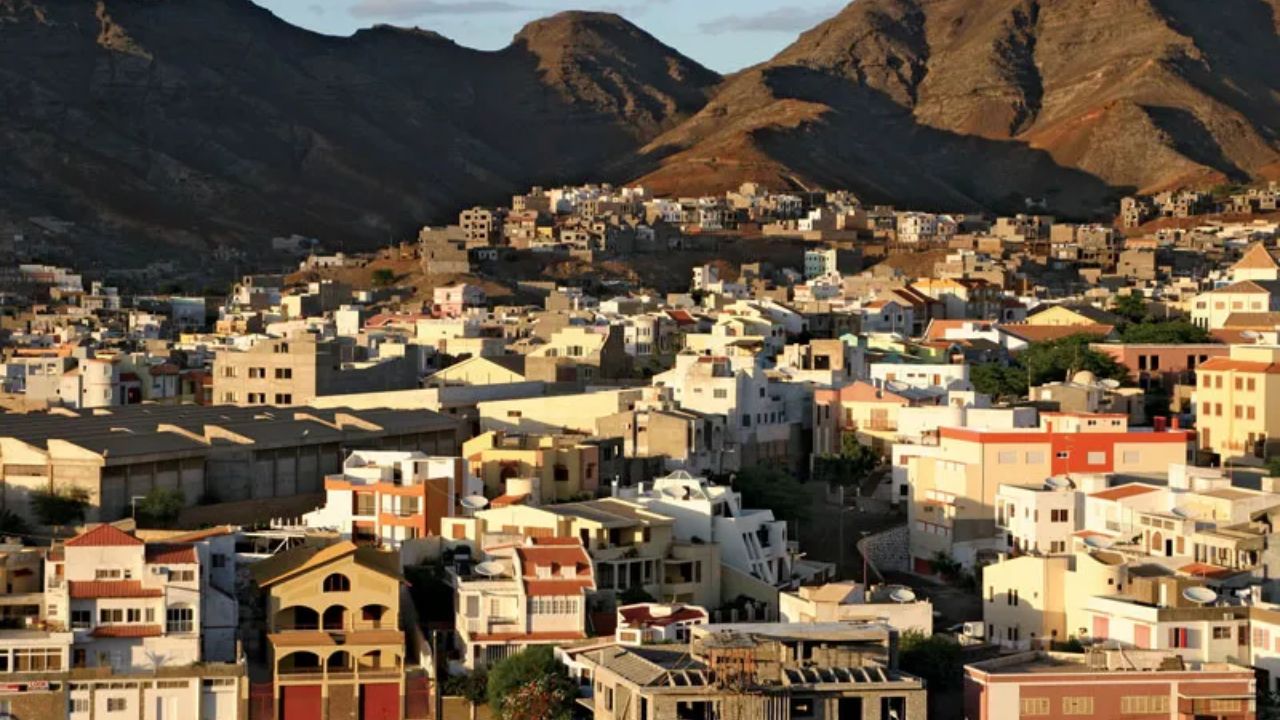
Portuguese rule in Cape Verde was not just a chapter of colonial control; it permanently shaped the islands’ population, culture, language, economy, and global role. From the moment the Portuguese arrived in the 15th century, Cape Verde developed differently from most African territories. The effects of this period are still visible today in everyday life, national identity, and the strong ties between Cape Verde and the wider Atlantic world.
Discovery and Settlement of an Uninhabited Land
When Portuguese explorers reached Cape Verde in the 1460s, the islands were uninhabited. This fact alone made Cape Verde unique in African colonial history. Unlike regions where European powers imposed control over existing societies, the Portuguese built Cape Verde from the ground up as a colonial settlement.
Table of Contents
The islands became one of Portugal’s earliest overseas colonies. Ribeira Grande (today Cidade Velha on Santiago Island) emerged as the first European city built in the tropics. From the start, Cape Verde was designed as a strategic Atlantic outpost rather than a traditional agricultural colony.
Cape Verde and the Atlantic Slave Trade
One of the most lasting impacts of Portuguese rule was Cape Verde’s central role in the transatlantic slave trade. Due to its location between Europe, Africa, and the Americas, the islands became a major hub for enslaved Africans transported mainly from the West African coast.
This system transformed Cape Verde into a trading and administrative center. It also created a mixed population early in its history. Enslaved Africans, Portuguese settlers, and traders formed a society that blended African and European elements in ways that were uncommon elsewhere at the time.
The slave trade brought wealth to a small colonial elite but also left deep social scars. Even after slavery was abolished in the 19th century, its influence on class divisions, land ownership, and migration patterns remained.
Creation of a Creole Society
Portuguese rule directly led to the emergence of Cape Verde’s Creole identity. With no indigenous population, Cape Verdean society developed through cultural blending. Language, food, music, and social customs evolved into something distinct from both Portugal and mainland Africa.
Cape Verdean Creole, spoken across the islands today, developed from Portuguese vocabulary combined with African linguistic structures. While Portuguese became the official written language, Creole became the language of daily life, storytelling, and cultural expression.
This Creole identity became one of the strongest legacies of Portuguese rule, shaping how Cape Verdeans see themselves and how the country presents itself to the world.
Religion, Education, and Colonial Administration
Catholicism was introduced by the Portuguese and became deeply rooted in Cape Verdean society. Churches, religious festivals, and Christian traditions still play a major role in community life across the islands.
Education under Portuguese rule was limited and uneven. Schools primarily served colonial administrators and urban elites, while much of the rural population had little access to formal education. This imbalance contributed to long-term social inequality.
Administratively, Cape Verde was governed from Lisbon, with policies focused more on maintaining trade routes than improving local living conditions. Periodic droughts and famines were often worsened by neglect and slow colonial responses.
Economic Dependency and Forced Migration
Portuguese rule left Cape Verde economically dependent and environmentally vulnerable. Poor soil, limited rainfall, and weak investment made survival difficult for large parts of the population.
As a result, migration became a defining feature of Cape Verdean life. From the 19th century onward, Cape Verdeans migrated to the Americas, Europe, and other African regions in search of work. This diaspora, created under colonial conditions, remains central to Cape Verde’s economy and identity today.
Remittances from abroad became a survival mechanism, linking Cape Verde permanently to global migration networks established during Portuguese rule.
Political Awakening and the Road to Independence
By the mid-20th century, dissatisfaction with Portuguese colonial rule grew. Influenced by global anti-colonial movements, Cape Verdeans began demanding political rights and self-determination.
The struggle for independence was closely linked with Guinea-Bissau, led by African liberation movements challenging Portuguese control. In 1975, after Portugal’s dictatorship collapsed, Cape Verde gained independence without large-scale violence.
However, independence did not erase the colonial legacy. Portuguese language, legal structures, and international ties remained deeply embedded in the new nation.
What Changed Forever
Portuguese rule permanently altered Cape Verde’s demographic makeup, culture, and global connections. It created a Creole society, tied the islands to Atlantic trade routes, and shaped patterns of migration that continue today.
Modern Cape Verde is neither fully African nor European in identity, but uniquely Atlantic. Its stability, diaspora connections, and cultural richness all trace back to the centuries-long Portuguese presence.
Understanding this history explains why Cape Verde stands apart from many former colonies. Portuguese rule ended in 1975, but its influence continues to define what Cape Verde is, and what it will become.

Joao Fernandes is a climatologist and historian specializing in Cape Verde’s weather patterns and island history, with fifteen years at the national meteorological institute and university research. Based in Praia, Cape Verde, his professional background blends climate analysis, historical archival research, and public policy advising. His expertise covers seasonal wind and rainfall forecasts, climate resilience for coastal communities, and archival studies of colonial-era records. Joao co-authored the book “Climate and Culture of Cape Verde,” published peer-reviewed papers, and advised municipal planners on weather-informed heritage conservation.