

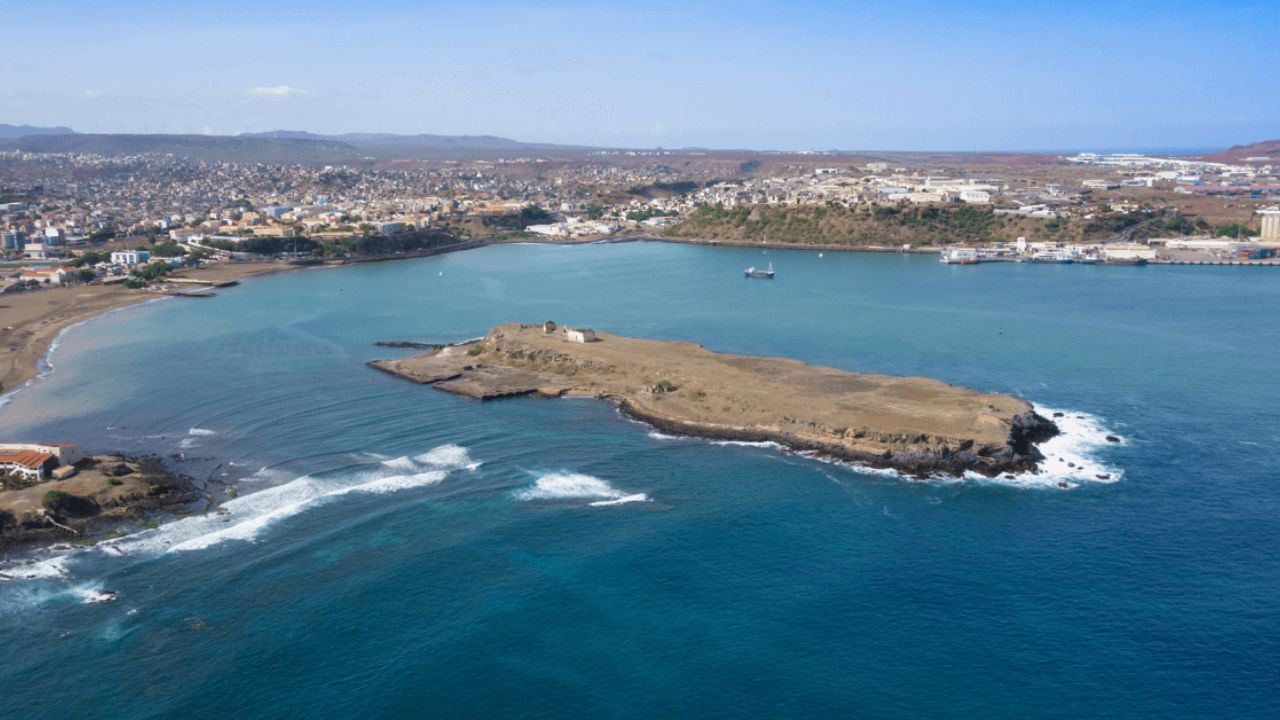
Cape Verde’s rise as a major Atlantic trading post was not accidental. Its geographic position, early European settlement, and role within expanding maritime networks placed the islands at the center of Atlantic commerce for centuries. From the 15th century onward, Cape Verde became a critical link connecting Europe, Africa, and the Americas, shaping its economy, culture, and historical trajectory.
Strategic Location in the Atlantic Ocean
The most important reason Cape Verde emerged as a trading hub was its location. Situated off the West African coast, the islands lie directly along historic sailing routes between Europe, West Africa, and the Americas. For ships relying on wind patterns and ocean currents, Cape Verde offered a natural stopping point for resupply, repairs, and navigation.
Table of Contents
This position made the islands ideal as a logistical base during the early age of exploration. Vessels traveling south along the African coast or west toward the Americas could not easily bypass Cape Verde. Over time, this geographical advantage transformed the islands into a regular port of call for merchants, explorers, and colonial fleets moving across the Atlantic.
Early Portuguese Settlement and Control
Cape Verde was uninhabited when the Portuguese arrived in the mid-15th century. This allowed Portugal to establish full control without resistance, turning the islands into one of its earliest overseas colonies. The Portuguese crown invested in settlements, ports, and administrative systems that supported long-distance trade.
Ribeira Grande, now Cidade Velha, became the first European city built in the tropics. From there, Portuguese officials managed trade flows, enforced royal monopolies, and coordinated shipping across the Atlantic. Early colonization gave Cape Verde a head start compared to other Atlantic islands, embedding it firmly into Portugal’s global trading system.
Role in the Atlantic Slave Trade
Cape Verde’s most significant and tragic role in Atlantic commerce was its involvement in the transatlantic slave trade. The islands functioned as a collection point where enslaved Africans were held, traded, and redistributed to plantations in the Americas.
Merchants used Cape Verde as an intermediary market. Enslaved people brought from the African mainland were sometimes “seasoned” on the islands before being shipped onward. This process reduced mortality during longer voyages and increased profits for traders. As a result, Cape Verde became deeply tied to one of the most important and devastating economic systems of the Atlantic world.
Development of Port Cities and Maritime Infrastructure
As trade increased, port cities expanded to meet demand. Harbors, warehouses, shipyards, and fortifications were built to protect valuable cargo and manage rising traffic. These ports were essential not only for commerce but also for defense against pirates and rival European powers.
The growth of maritime infrastructure reinforced Cape Verde’s importance. Ships could safely anchor, repair damage, and restock supplies such as water, food, and livestock. This reliability made the islands a preferred stopover, strengthening their reputation as a dependable Atlantic trading post.
Economic Activities Supporting Trade
Beyond shipping and human trafficking, Cape Verde supported trade through local economic activities. Salt production, especially on islands like Sal and Maio, became valuable for preserving food on long voyages. Livestock, hides, and agricultural goods also contributed to the trading economy.
Although limited rainfall restricted large-scale farming, these smaller industries complemented maritime trade. Together, they created a service-based economy that thrived on Atlantic movement rather than local resource abundance.
Cultural Mixing and Atlantic Exchange
Trade brought people from different continents into contact, resulting in deep cultural exchange. European settlers, enslaved Africans, sailors, and merchants formed a mixed population that developed its own languages, customs, and social structures.
Cape Verdean Creole culture emerged directly from this trading environment. Music, religion, food, and social norms reflect centuries of Atlantic interaction. The islands became not just a commercial hub, but also a cultural crossroads shaped by continuous movement and exchange.
Decline and Historical Legacy
Cape Verde’s prominence declined in the 19th century as the slave trade ended and steam-powered ships reduced the need for frequent stopovers. New trade routes and ports elsewhere in the Atlantic further diminished its role.
However, the legacy of Cape Verde’s trading past remains visible today. Historic ports, colonial architecture, and diaspora connections all trace back to this period. The islands’ history as a major Atlantic trading post explains much about their multicultural identity, global connections, and enduring importance within Atlantic history.

Joao Fernandes is a climatologist and historian specializing in Cape Verde’s weather patterns and island history, with fifteen years at the national meteorological institute and university research. Based in Praia, Cape Verde, his professional background blends climate analysis, historical archival research, and public policy advising. His expertise covers seasonal wind and rainfall forecasts, climate resilience for coastal communities, and archival studies of colonial-era records. Joao co-authored the book “Climate and Culture of Cape Verde,” published peer-reviewed papers, and advised municipal planners on weather-informed heritage conservation.