

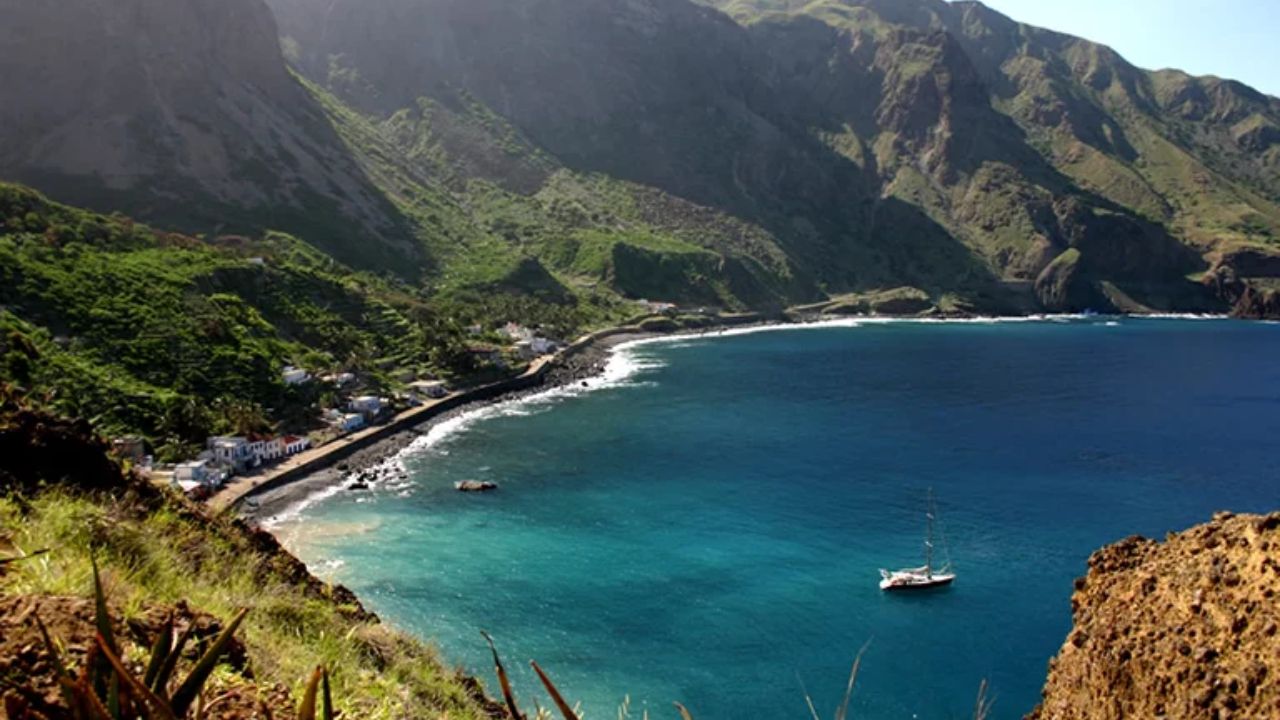
Cape Verde is often associated with popular islands like Sal, Santiago, and Boa Vista, but some of the country’s most distinctive experiences are found on its smallest inhabited islands. These islands have fewer residents, limited infrastructure, and a slower pace of life, yet they play an essential role in Cape Verde’s cultural and geographic identity. For travelers seeking authenticity, history, and landscapes untouched by mass tourism, these lesser-known islands offer something truly special.
Brava: The Island of Flowers
Brava is the smallest inhabited island in Cape Verde by area, and it stands apart for its lush greenery and dramatic volcanic terrain. Unlike the dry, sandy islands of Sal or Boa Vista, Brava has a cooler microclimate that supports flowers, fruit trees, and small-scale farming.
Table of Contents
The island has no airport, making access possible only by ferry, which naturally limits visitor numbers. Its main town, Nova Sintra, sits high above the sea and is known for colonial-era architecture and sweeping ocean views. Brava’s isolation has preserved strong community ties and traditional ways of life, making it an ideal destination for travelers interested in local culture rather than resort-style tourism.
Maio chance to observe everyday island life without distractions.
São Nicolau: Mountains, Music, and Tradition
São Nicolau may be small in population, but it has a big reputation for cultural depth. The island is known for its mountainous interior, hiking trails, and strong literary and musical traditions.
Historically, São Nicolau played an important role in education and intellectual life during the colonial period. Today, towns like Ribeira Brava and Tarrafal de São Nicolau reflect a balance between tradition and modern life. Visitors are often drawn by the island’s dramatic landscapes and its reputation for preserving Cape Verdean customs, dialects, and storytelling.
How Small Island Life Shapes Culture
Life on Cape Verde’s smallest inhabited islands is shaped by limited resources, strong family networks, and a deep connection to the land and sea. Communities tend to be close-knit, and traditions are passed down through generations with little outside influence.
Festivals, music, and religious celebrations take on added importance, serving as social anchors for island residents. Because fewer tourists visit these islands, cultural expressions are less commercialized and more closely tied to daily life. This creates an environment where visitors can observe authentic practices rather than performances designed for tourism.
Travel Considerations for Smaller Islands
Traveling to Cape Verde’s smaller inhabited islands requires planning and flexibility. Ferry schedules can change due to weather or demand, and accommodations are usually small guesthouses rather than large hotels.
This lack of infrastructure is part of the experience. Travelers are rewarded with quieter environments, personal interactions, and landscapes that feel untouched. However, visitors should be prepared for limited services, fewer dining options, and slower communication compared to larger islands.
Why These Islands Matter
Although they receive less attention, Cape Verde’s smallest inhabited islands are essential to understanding the country as a whole. They preserve regional identities, maintain traditional livelihoods, and highlight the diversity that exists across the archipelago.
For travelers willing to step away from well-known routes, these islands offer insight into Cape Verde’s resilience, creativity, and community spirit. Their uniqueness lies not in luxury or convenience, but in the stories, landscapes, and people that continue to shape them every day.
Conclusion
Cape Verde’s smallest inhabited islands may not dominate travel brochures, but they provide some of the archipelago’s most meaningful experiences. From Brava’s floral highlands to Maio’s quiet shores and São Nicolau’s cultural richness, each island offers a distinct perspective on life in Cape Verde. For those seeking depth, authenticity, and a slower pace, these islands reveal a side of the country that is both understated and unforgettable.

Marta Silva is a travel writer and certified island guide with over twelve years leading small-group tours across Cape Verde. Based in Praia, Cape Verde, her professional background combines on-the-ground guiding, itinerary planning, and hospitality consulting. Her expertise includes island itineraries, public transport logistics, sustainable travel tips, and local culture immersion. Marta authored the practical guidebook “Discovering Santiago” and contributes island guides for regional tourism publications; she has partnered with Cape Verde’s tourism board on community-based tourism initiatives and regular travel-workshops for visiting journalists.