

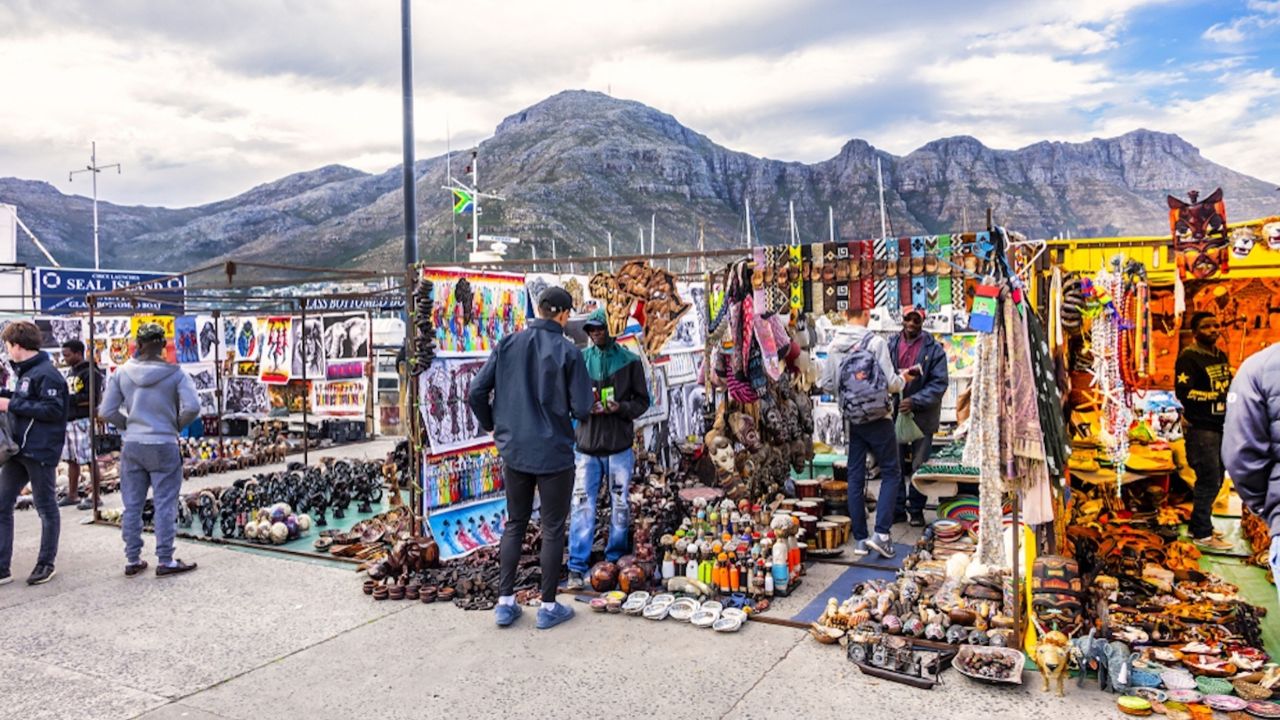
Shopping in Cape Verde is more than a simple transaction. It is a way to connect with communities, support local livelihoods, and understand the islands beyond beaches and resorts. From open-air markets filled with fresh produce to handmade crafts shaped by generations of tradition, shopping local offers travelers a more meaningful experience.
If approached thoughtfully, it also ensures that your spending directly benefits Cape Verdean families and small businesses rather than large import chains.
Table of Contents
Traditional Markets: The Heart of Daily Life
Across the islands, local markets remain central to community life. In cities like Praia on Santiago or Mindelo on São Vicente, open markets bring together farmers, fishers, and artisans in vibrant, social spaces.
You’ll typically find:
- Fresh fruits such as papaya, mango, banana, and coconut
- Locally grown vegetables and herbs
- Freshly caught fish and seafood
- Spices, beans, and grains
- Handmade household goods
Markets are busiest in the mornings, when produce is freshest and vendors are most active. Shopping here allows you to experience the rhythm of daily life while contributing directly to small-scale producers.
It is common to see friendly negotiation, but bargaining should remain respectful. Prices are usually fair, and aggressive haggling is discouraged. Paying a reasonable rate supports the vendor’s work and reflects appreciation for local effort.
Island-Specific Specialties
Each island offers distinct products shaped by geography and culture.
Santiago is known for its agricultural produce and traditional textiles. Santo Antão, with its fertile valleys, offers sugarcane products and local grogue (a traditional rum). São Vicente, particularly Mindelo, has a strong craft and music culture, where handmade instruments and artistic pieces are sometimes available. On Sal and Boa Vista, beachside vendors often sell jewelry and decorative items inspired by the ocean.
Exploring these regional differences adds depth to your travel experience and ensures your purchases reflect the character of the island you are visiting.
Cape Verdean Crafts and Handmade Goods
Handmade crafts carry cultural meaning and are among the best items to purchase locally. Many crafts reflect a blend of African and Portuguese influences, mirroring Cape Verde’s history.
Common handmade items include woven baskets, pottery, embroidered textiles, wooden carvings, and recycled-material art. Jewelry made from shells, volcanic stone, or local beads is also popular.
When shopping for crafts, look for signs that items are truly handmade. Ask vendors about how and where the product was made. Most artisans are proud to share their story, and this interaction enhances the authenticity of your purchase.
Buying directly from the maker or from small cooperatives ensures your money supports skilled craftsmanship rather than imported mass-produced goods.
Food Products Worth Bringing Home
Local food products can make meaningful souvenirs. Packaged coffee grown in Fogo’s volcanic soil is one of the most valued exports. Locally produced jams, dried beans, spices, and traditional sweets are also available in some markets and specialty shops.
Before purchasing food items to bring back to the United States, check customs regulations to ensure compliance. Sealed and commercially packaged goods are generally easier to transport than fresh products.
Supporting small food producers helps sustain agricultural traditions across the islands, especially in rural communities.
Ethical Shopping: What Travelers Should Consider
Ethical shopping in Cape Verde centers on awareness and respect. Tourism is important to the national economy, but not all purchases benefit local residents equally.
Consider these principles:
- Prioritize locally made goods over imported souvenirs
- Buy from independent vendors rather than resort gift shops when possible
- Avoid products made from protected marine life or endangered materials
- Pay fair prices without exploiting economic differences
- Ask permission before photographing vendors or their products
It is also important to be cautious with items that appear identical across multiple stalls. These may be imported in bulk rather than locally produced. While imports are part of modern commerce, travelers seeking to support traditional craft should ask questions and make informed choices.
Supporting Women and Community Cooperatives
In several islands, women-led cooperatives play a key role in producing textiles, embroidery, and handmade goods. Purchasing from these groups directly contributes to household income and community development.
Some cooperatives also reinvest profits into education, training, or social initiatives. When possible, ask vendors if their products are part of a cooperative effort. These purchases often have a broader social impact beyond the individual transaction.
Shopping with Cultural Awareness
Cape Verdean culture values politeness and conversation. A warm greeting in Portuguese or Cape Verdean Creole can create positive interactions. Even a simple “Bom dia” (good morning) shows respect.
Patience is equally important. Markets are social environments, and transactions may take time. Viewing shopping as a cultural exchange rather than a rushed errand leads to a more rewarding experience.
Understanding that many vendors rely on tourism income encourages mindful spending. Small purchases can have meaningful impact, especially outside peak travel seasons.
Final Thoughts
Shopping local in Cape Verde offers more than souvenirs. It connects travelers to everyday life, preserves traditional crafts, and strengthens small businesses across the islands. By choosing markets over malls, artisans over imports, and fairness over aggressive bargaining, visitors can ensure their spending reflects respect for culture and community.
When done thoughtfully, shopping becomes part of responsible travel—supporting the very places and people that make Cape Verde unique.

Marta Silva is a travel writer and certified island guide with over twelve years leading small-group tours across Cape Verde. Based in Praia, Cape Verde, her professional background combines on-the-ground guiding, itinerary planning, and hospitality consulting. Her expertise includes island itineraries, public transport logistics, sustainable travel tips, and local culture immersion. Marta authored the practical guidebook “Discovering Santiago” and contributes island guides for regional tourism publications; she has partnered with Cape Verde’s tourism board on community-based tourism initiatives and regular travel-workshops for visiting journalists.