

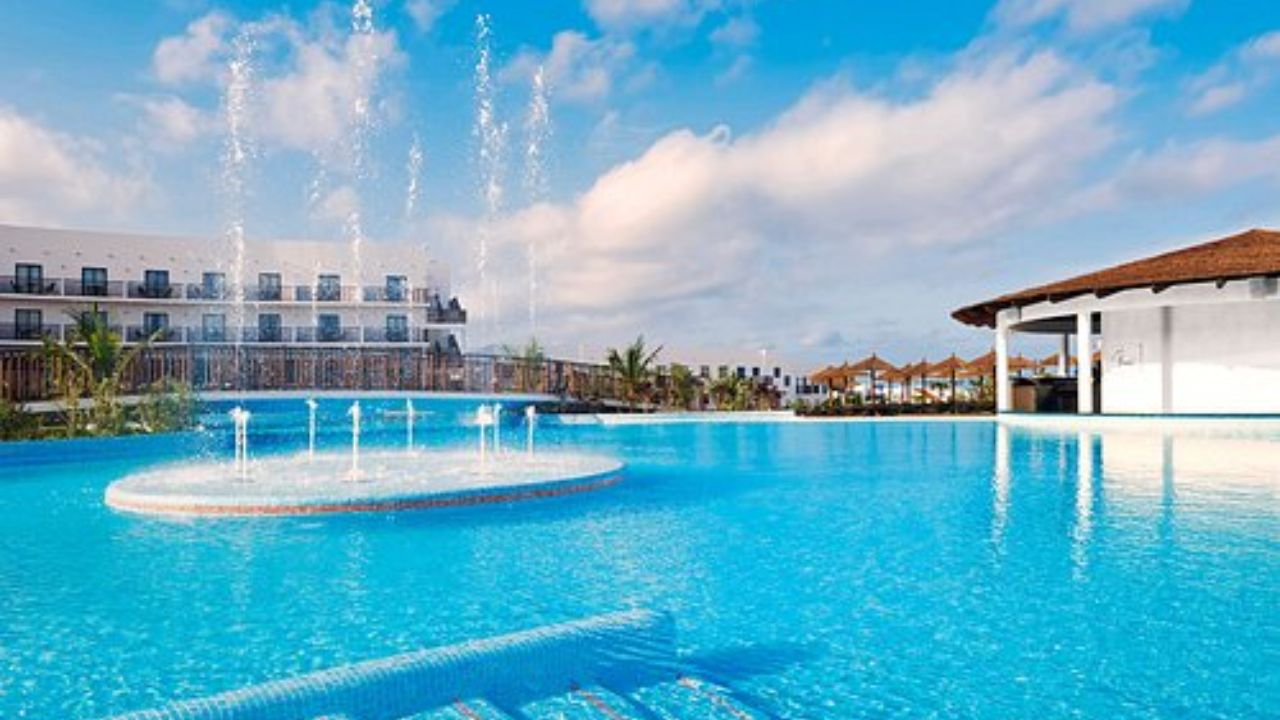
Sal Island is one of the most visited islands in Cape Verde, especially popular with international tourists and first-time visitors. Known for its flat landscape, year-round sunshine, and long sandy beaches, Sal offers a very different experience compared to Cape Verde’s greener and more mountainous islands. This guide explains what Sal Island is really like, covering beaches, resorts, travel costs, and what travelers should realistically expect.
Where Sal Island Is and Why It’s Popular
Sal is located in the northeastern part of the Cape Verde archipelago. Unlike islands such as Santo Antão or Santiago, Sal has a dry, desert-like environment with minimal vegetation. Its popularity comes from convenience: the island has an international airport, direct flights from Europe and seasonal connections serving travelers coming via major hubs. This accessibility, combined with reliable weather, makes Sal a gateway island for Cape Verde tourism.
Table of Contents
Beaches on Sal Island
Sal’s beaches are its biggest attraction. Long stretches of white sand and clear turquoise water surround much of the island.
Santa Maria Beach is the most famous and developed. It offers calm swimming areas, beachfront restaurants, and water sports like paddleboarding and snorkeling. Kite Beach and Ponta Preta are well-known among surfers and kitesurfers due to consistent winds and waves, though swimming can be rough in these areas. Away from Santa Maria, beaches become quieter and more natural, but facilities are limited, so planning ahead is important.
Resorts and Accommodation Options
Sal Island is heavily resort-focused. Most visitors stay in all-inclusive beach resorts concentrated around Santa Maria and Murdeira. These resorts offer pools, private beach access, meals, and organized activities, making them popular with couples and families looking for a relaxed holiday.
Outside resorts, Sal also has guesthouses, boutique hotels, and apartment rentals. These options suit travelers who prefer flexibility, local dining, and independent exploration. However, compared to other islands, Sal’s accommodation scene is less traditional and more tourism-driven.
Food and Dining Reality
Food on Sal reflects its tourist-heavy economy. Restaurants in Santa Maria serve a mix of Cape Verdean dishes, Portuguese food, seafood, and international menus. Fresh fish, grilled lobster, and tuna are highlights, but prices near resorts are higher than on less-developed islands.
Local eateries do exist, especially away from the beachfront, where you can try dishes like cachupa at more affordable prices. Overall, food quality is generally good, but travelers seeking deep culinary variety may find Sal more limited than islands with larger local populations.
Travel Costs on Sal Island
Sal is one of the more expensive islands in Cape Verde. Accommodation, dining, and activities are priced with international tourists in mind. A mid-range traveler should expect higher daily costs compared to Santiago or São Vicente.
Taxis are widely used and reasonably priced for short distances, though rental cars can add flexibility for exploring remote beaches. Groceries and imported goods are costly, while local products remain more affordable. Budget travelers can manage costs by staying outside resorts and eating at local restaurants, but Sal is not a low-cost destination by Cape Verde standards.
Getting Around the Island
Sal is small and relatively flat, making transport straightforward. Taxis are the most common way to move around, and fixed prices are often agreed upon before the ride. Rental cars and scooters are available for those comfortable driving in unfamiliar conditions. Public transport exists but is limited and unreliable for visitors on tight schedules.
The Reality of Visiting Sal Island
Sal is often marketed as a tropical paradise, but it’s important to understand what it offers and what it doesn’t. The island is ideal for beach holidays, water sports, and relaxed resort stays. It is not the best choice for travelers seeking hiking, lush landscapes, or deep cultural immersion.
The environment is dry and windy, especially during certain months, and towns outside tourist areas can feel quiet. That said, Sal delivers consistency: sunshine, warm temperatures, and a straightforward travel experience.
Who Should Choose Sal Island
Sal is best suited for first-time visitors to Cape Verde, beach-focused travelers, families, and those looking for an easy, resort-based holiday. Travelers interested in history, culture, or adventure may enjoy Sal as part of a multi-island trip rather than a standalone destination.
Final Thoughts on Sal Island
Sal Island plays a key role in Cape Verde’s tourism landscape. Its beaches, accessibility, and resort infrastructure make it one of the easiest islands to visit. While it may not show every side of Cape Verdean life, it offers a reliable and comfortable introduction to the country. Understanding Sal’s strengths and limitations helps travelers decide if it matches their expectations—and how to plan a more rewarding trip.

Marta Silva is a travel writer and certified island guide with over twelve years leading small-group tours across Cape Verde. Based in Praia, Cape Verde, her professional background combines on-the-ground guiding, itinerary planning, and hospitality consulting. Her expertise includes island itineraries, public transport logistics, sustainable travel tips, and local culture immersion. Marta authored the practical guidebook “Discovering Santiago” and contributes island guides for regional tourism publications; she has partnered with Cape Verde’s tourism board on community-based tourism initiatives and regular travel-workshops for visiting journalists.