

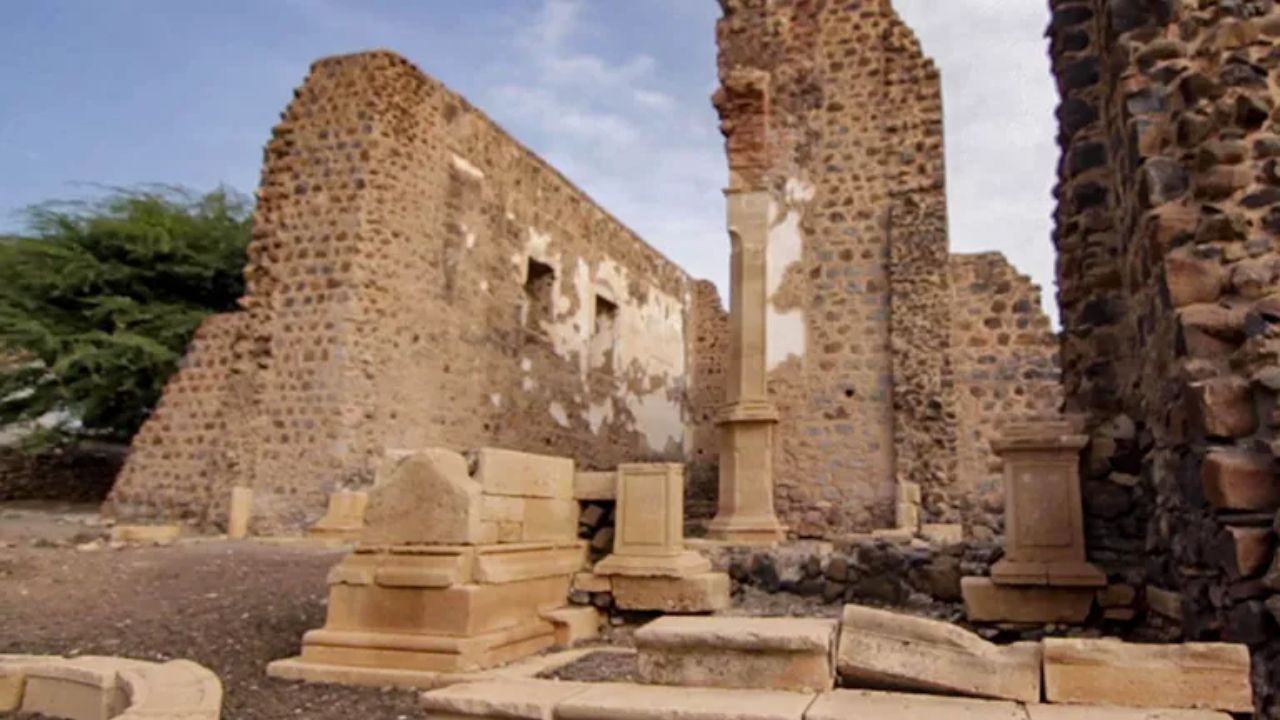
Before Europeans arrived, the islands now known as Cape Verde were uninhabited. Located in the Atlantic Ocean off the coast of West Africa, the archipelago lay along important maritime routes but had no permanent population. Unlike many African regions with long-established societies, Cape Verde’s history begins relatively late, shaped almost entirely by global exploration, trade, and migration.
By the early 15th century, European powers were actively searching for new sea routes, trading opportunities, and territories. This era of exploration created the conditions that led directly to the discovery of the Cape Verde islands.
Table of Contents
Portuguese Exploration in the Atlantic
The discovery of Cape Verde was part of Portugal’s wider maritime expansion. During the 1400s, Portuguese sailors explored the Atlantic coast of Africa under the sponsorship of the crown and figures such as Prince Henry the Navigator. Their goals included finding new trade routes, accessing gold and spices, and expanding Christian influence.
Portuguese navigators gradually pushed farther south along the African coast, mapping islands and coastlines as they went. This steady expansion eventually brought them within reach of the Cape Verde archipelago.
The Discovery of the Islands
Historical records indicate that Portuguese sailors first sighted Cape Verde around 1456. Among the explorers associated with the discovery are Venetian navigator Alvise Cadamosto and Genoese captain Antoniotto Usodimare, both sailing under Portuguese command. They reported a group of islands that were dry, volcanic, and uninhabited.
The islands were named “Cape Verde” after the nearby Cap-Vert (Green Cape) region on the African mainland, not because the islands themselves were lush or green. This name later came to represent the entire archipelago.
Why Portugal Chose to Settle Cape Verde
Portugal quickly recognized the strategic value of Cape Verde. The islands sat at a crossroads of Atlantic shipping routes between Europe, Africa, and the Americas. Their location made them ideal as supply stations, ports of call, and administrative centers for expanding trade networks.
Settlement also allowed Portugal to assert control over the islands and prevent rival European powers from claiming them. Because the islands were uninhabited, colonization faced fewer immediate conflicts compared to territories with existing populations.
Early Settlement and the First Towns
Permanent settlement began in the 1460s, primarily on the island of Santiago. The town of Ribeira Grande—now known as Cidade Velha—became the first European city built in the tropics. It served as the administrative and economic center of the colony.
Settlers included Portuguese colonists, administrators, soldiers, and merchants. Over time, enslaved Africans were brought to the islands, forming the backbone of the labor force. This early population mix laid the foundation for Cape Verde’s distinctive Creole society.
The Role of the Atlantic Slave Trade
Cape Verde quickly became deeply connected to the transatlantic slave trade. Its ports were used as staging points where enslaved Africans were held, traded, and transported to the Americas. The islands’ position made them a key logistical hub in a brutal global system.
This period had a lasting impact on Cape Verde’s demographics, culture, and language. African traditions blended with Portuguese influences, giving rise to Cape Verdean Creole identity, music, food, and social customs that still define the country today.
Environmental Challenges and Adaptation
Settling Cape Verde was not easy. The islands had limited fresh water, irregular rainfall, and poor agricultural conditions. Droughts and famines became recurring challenges throughout the islands’ history.
Despite these hardships, settlers adapted by developing trade-based livelihoods, relying on maritime activities, and maintaining strong connections with overseas communities. These environmental constraints also contributed to waves of emigration, shaping Cape Verde’s global diaspora.
Foundations of a Creole Society
By the 16th century, Cape Verde had evolved into a unique society formed by European settlers and African populations. Language, religion, and customs merged into a Creole culture distinct from both Portugal and mainland Africa.
This blending of influences remains central to Cape Verdean identity. The islands’ early settlement history explains why Cape Verde is culturally African, European, and Atlantic at the same time.
Lasting Historical Significance
The discovery and settlement of Cape Verde marked an important chapter in Atlantic history. As one of Europe’s earliest tropical colonies, the islands played a key role in global trade, migration, and cultural exchange.
Understanding how Cape Verde was discovered and settled helps explain its modern stability, cultural richness, and strong connections to the wider world. The islands’ history is not just about exploration, but about adaptation, resilience, and the creation of a shared identity that continues to shape Cape Verde today.

Joao Fernandes is a climatologist and historian specializing in Cape Verde’s weather patterns and island history, with fifteen years at the national meteorological institute and university research. Based in Praia, Cape Verde, his professional background blends climate analysis, historical archival research, and public policy advising. His expertise covers seasonal wind and rainfall forecasts, climate resilience for coastal communities, and archival studies of colonial-era records. Joao co-authored the book “Climate and Culture of Cape Verde,” published peer-reviewed papers, and advised municipal planners on weather-informed heritage conservation.