

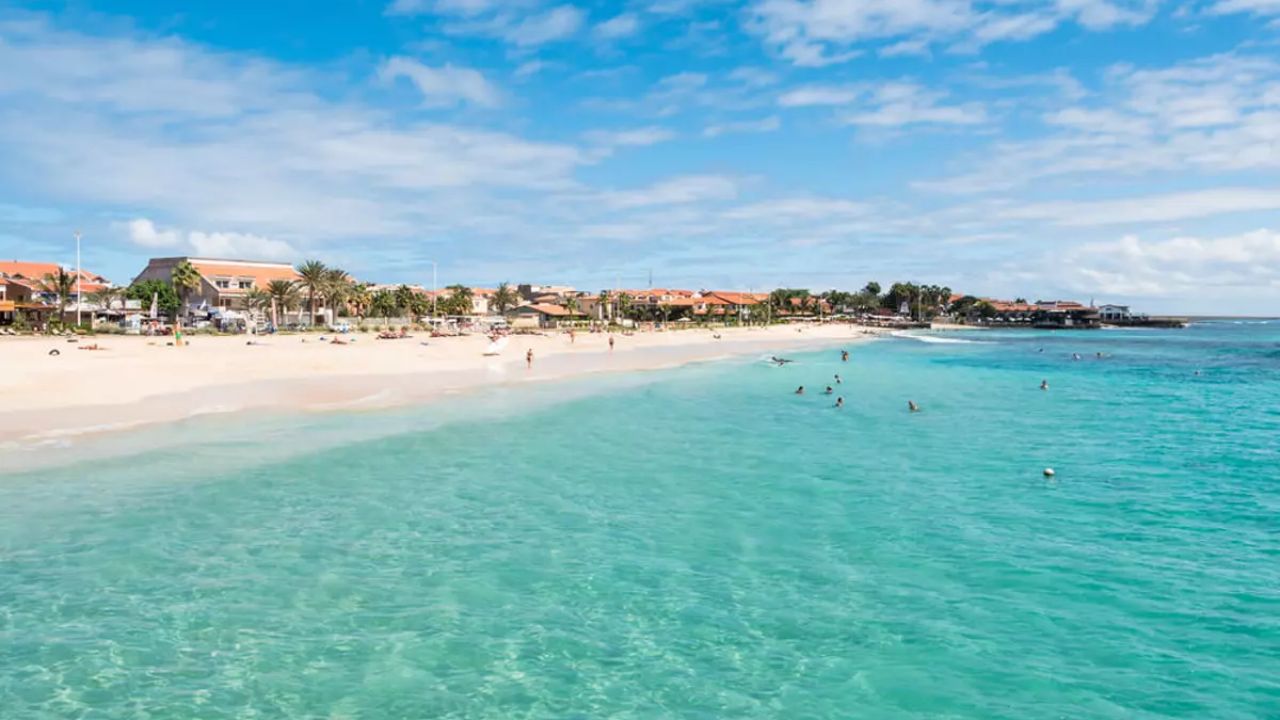
Cape Verde often appears on travel radars as a laid-back island destination with beaches, sunshine, and a relaxed pace of life. But for first-time visitors, the experience can be surprisingly different from expectations in several important ways. From the rhythm of daily life to weather patterns and cultural nuances, Cape Verde tends to challenge assumptions in quiet but memorable ways.
Here are the things that most first-time travelers to Cape Verde say surprised them the most.
Table of Contents
The Islands Feel Very Different From Each Other
Many visitors assume Cape Verde feels like one single destination spread across a few islands. In reality, each island has its own character, pace, and purpose.
Sal and Boa Vista feel tourism-focused, with resort zones, long beaches, and limited interaction beyond hospitality areas. Santiago feels more urban and cultural, with markets, history, and everyday local life. São Vicente centers on music, art, and nightlife in Mindelo, while Santo Antão feels rugged, green, and deeply connected to hiking and agriculture.
First-time travelers are often surprised by how much their experience depends on which island they choose.
The Weather Is Windier Than Expected
Cape Verde is warm year-round, but many visitors are caught off guard by the constant trade winds. Even during sunny months, the wind can be strong, especially on islands like Sal, Boa Vista, and São Vicente.
This wind makes the heat more comfortable and is perfect for kitesurfing and wind sports, but it also affects sea conditions, ferry schedules, and evening temperatures. Lightweight jackets and windbreakers are often needed, even in tropical weather.
Daily Life Moves Slower Than Tourists Expect
Cape Verde operates on a relaxed rhythm that can feel slow to travelers used to tightly scheduled destinations. Buses do not always run on strict timetables, services may take longer, and flexibility is often required.
What surprises many visitors is that this pace is not inefficiency—it’s intentional. Conversations matter, routines are unhurried, and rushing is rarely rewarded. Travelers who adjust their expectations tend to enjoy the experience far more.
Cash Is Still More Important Than Cards
Many first-time visitors expect to rely on credit and debit cards everywhere. While cards are accepted in hotels and some restaurants, cash remains essential for taxis, local eateries, markets, and inter-island transport.
ATMs are available in towns and cities but may not be present in smaller areas or rural villages. Visitors are often surprised at how much smoother daily interactions become once they carry enough local currency.
English Is Limited Outside Tourist Areas
Cape Verdeans are multilingual, but English is not widely spoken outside tourist zones. Portuguese is the official language, and Cape Verdean Creole is spoken daily across the islands.
Travelers are often surprised that learning a few basic Portuguese or Creole phrases dramatically improves interactions. Even simple greetings are appreciated and often lead to warmer exchanges and better service.
Food Is Simple, Not Resort-Style
Cape Verdean food surprises visitors who expect elaborate resort dining everywhere. Local cuisine is simple, hearty, and rooted in availability rather than presentation.
Meals often center on fish, beans, corn, rice, and slow-cooked stews. Cachupa, the national dish, appears in many variations and is deeply tied to local culture. What surprises visitors most is how filling and comforting the food is, even without complex seasoning or sauces.
Inter-Island Travel Requires Patience
First-time travelers are often surprised by how much planning inter-island travel requires. Flights are limited, ferries depend heavily on weather, and schedules can change with little notice.
Island hopping is possible, but flexibility is essential. Travelers who build buffer days into their plans experience far less stress than those trying to move quickly between islands.
Safety Feels Different From Expectations
Cape Verde is generally safe, but first-time visitors are often surprised by the contrast between relaxed environments and practical precautions.
Violent crime is rare, but petty theft can occur, especially in busy areas. Locals are helpful and friendly, yet travelers are expected to be aware of their surroundings, just as they would in any unfamiliar place.
Cultural Pride Is Strong but Subtle
Cape Verdean identity is deeply rooted in music, history, and diaspora connections. Visitors are often surprised by how proudly locals speak about migration, family abroad, and cultural traditions without turning them into tourist performances.
Music, especially morna and coladeira, plays a central role in daily life. Even casual evenings often involve live music or spontaneous gatherings.
Why These Surprises Matter
Most first-time travelers leave Cape Verde appreciating it not for luxury or spectacle, but for balance—between land and sea, tradition and modern life, movement and stillness. The surprises are not inconveniences; they are reminders that Cape Verde rewards curiosity, patience, and respect.
For those willing to adapt, the islands offer something rare: a destination that feels authentic, grounded, and quietly unforgettable.

Marta Silva is a travel writer and certified island guide with over twelve years leading small-group tours across Cape Verde. Based in Praia, Cape Verde, her professional background combines on-the-ground guiding, itinerary planning, and hospitality consulting. Her expertise includes island itineraries, public transport logistics, sustainable travel tips, and local culture immersion. Marta authored the practical guidebook “Discovering Santiago” and contributes island guides for regional tourism publications; she has partnered with Cape Verde’s tourism board on community-based tourism initiatives and regular travel-workshops for visiting journalists.