

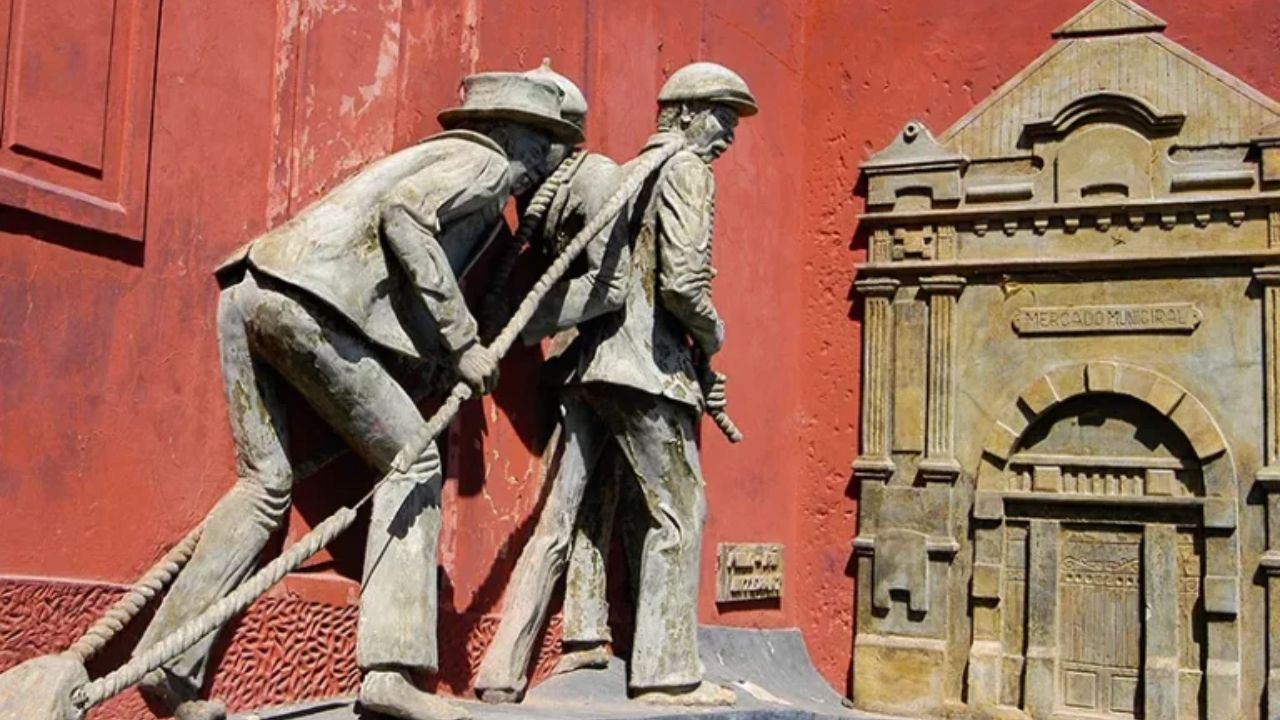
Colonial-era Cape Verde offers a revealing window into how geography, trade, and empire shaped everyday survival. From the 15th century until independence in 1975, life on the islands unfolded under Portuguese rule, marked by hardship, adaptation, and cultural blending. Ordinary people—enslaved Africans, free Blacks, mixed-heritage communities, and European settlers—experienced colonial rule very differently, yet together they formed the foundations of modern Cape Verdean society.
The Social Structure of Colonial Society
Daily life in colonial Cape Verde was defined by a rigid social hierarchy. At the top were Portuguese administrators, merchants, and landowners who controlled political power, trade, and land. Below them were free people of mixed African and European descent, many of whom worked as artisans, sailors, traders, or small landholders. At the bottom were enslaved Africans, who made up a large portion of the population during the early centuries.
Table of Contents
Social mobility was limited but not impossible. Manumission, intermarriage, and urban life—especially in ports like Ribeira Grande (Cidade Velha) and later Mindelo—created a more fluid society than in many plantation colonies. Still, race, legal status, and proximity to colonial power strongly influenced one’s daily opportunities and treatment.
Work, Labor, and Survival
Work dominated everyday life for most residents. Enslaved people labored in agriculture, domestic service, construction, and port work. Unlike large plantation colonies, Cape Verde’s dry climate limited cash crops, so labor often focused on subsistence farming, livestock, salt extraction, and maritime activities.
Free residents worked as fishermen, sailors, dockworkers, craftsmen, or traders moving goods between islands and across the Atlantic. Because droughts were frequent, survival often depended on flexibility—shifting between farming, fishing, and migration as conditions changed. Hunger and famine were recurring realities, shaping daily routines and long-term decisions for families.
Food, Housing, and Living Conditions
Food scarcity was a constant concern. Diets were simple and heavily dependent on maize, beans, cassava, and whatever fish could be caught locally. During drought years, food shortages became severe, and many people relied on imported grain or relief shipments that arrived irregularly.
Housing varied by status and location. Colonial elites lived in stone houses with tiled roofs, while most people occupied modest homes made from volcanic stone, mud, or thatch. In rural areas, dwellings were basic and functional, built to withstand wind rather than rain. Daily domestic life revolved around water collection, food preparation, and caring for extended family networks.
Religion, Belief, and Daily Rituals
Catholicism played a central role in colonial life, officially shaping calendars, education, and moral expectations. Churches were important community centers, hosting baptisms, marriages, and festivals. However, African spiritual traditions persisted beneath the surface, blending with Catholic practices in subtle ways.
Daily rituals often mixed prayer with practical concerns—asking for rain, safe voyages, or protection from illness. Religious festivals provided rare moments of communal celebration, temporarily easing the hardships of everyday life through music, dance, and shared meals.
Language, Culture, and Community Life
While Portuguese was the language of administration, daily communication took place in Cape Verdean Creole. This language emerged from constant interaction between Africans and Europeans and became the true voice of everyday life—used in markets, homes, and oral storytelling.
Music, storytelling, and communal gatherings were vital forms of expression. Work songs, early musical traditions, and spoken narratives helped preserve memory and identity in a society shaped by displacement and inequality. Even under colonial control, local culture thrived as a source of resilience and connection.
Ports, Trade, and the Wider World
Cape Verde’s location made it a key stop in Atlantic trade routes. Ports were lively spaces where locals encountered sailors, merchants, and travelers from Africa, Europe, and the Americas. For many residents, daily life included exposure to foreign languages, goods, and ideas.
This constant movement also meant migration. Men often left the islands to work on ships or abroad, sending remittances home. Families learned to live with absence, uncertainty, and the hope of return—patterns that continue to shape Cape Verdean life today.
Legacy of Colonial Daily Life
The rhythms of colonial-era daily life left lasting marks on Cape Verdean society. Adaptability, strong community ties, migration, and cultural blending emerged not by choice, but by necessity. Understanding how ordinary people lived under colonial rule helps explain the resilience, identity, and social values that define Cape Verde today.
Colonial Cape Verde was not only a place of exploitation—it was also a space where people endured, adapted, and quietly shaped a distinct culture that survived beyond empire.

Joao Fernandes is a climatologist and historian specializing in Cape Verde’s weather patterns and island history, with fifteen years at the national meteorological institute and university research. Based in Praia, Cape Verde, his professional background blends climate analysis, historical archival research, and public policy advising. His expertise covers seasonal wind and rainfall forecasts, climate resilience for coastal communities, and archival studies of colonial-era records. Joao co-authored the book “Climate and Culture of Cape Verde,” published peer-reviewed papers, and advised municipal planners on weather-informed heritage conservation.