

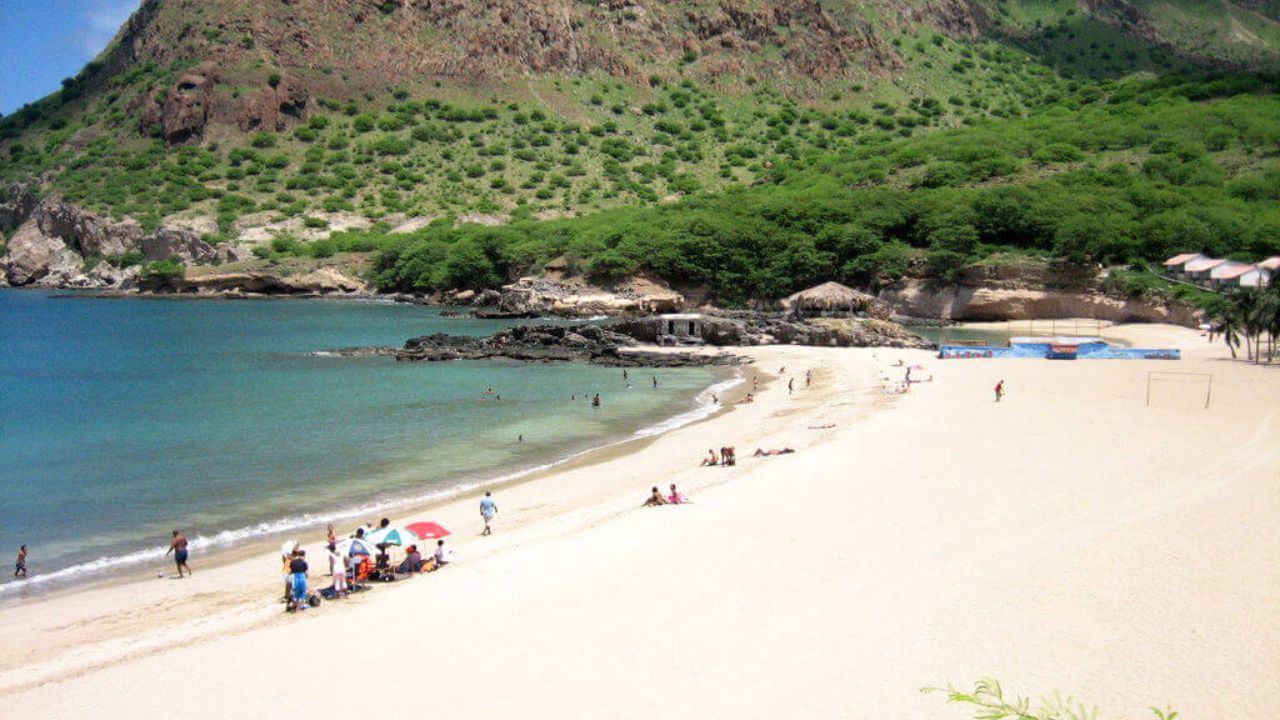
The sea temperature around Cape Verde is one of the country’s biggest travel advantages. Located in the Atlantic Ocean off the coast of West Africa, the islands enjoy warm water year-round, making swimming, snorkeling, diving, and beach activities possible in every season. However, water temperatures do change slightly throughout the year, and understanding these monthly differences helps travelers plan better trips.
This guide explains Cape Verde’s sea temperature month by month, what those temperatures feel like in the water, and which months are best for swimming and ocean activities.
Table of Contents
January Sea Temperature in Cape Verde
In January, average sea temperatures range between 22°C and 23°C (72°F to 73°F). This is one of the coolest water periods of the year, but it is still comfortable for most swimmers, especially those used to the Atlantic.
The water feels refreshing rather than cold. Many visitors enjoy swimming without wetsuits, though some prefer light rash guards for longer sessions. January is popular with European winter travelers who find the sea warmer than their home waters.
February Sea Temperature in Cape Verde
February sea temperatures remain similar to January, averaging 22°C to 23°C (72°F to 73°F). The ocean is calm and clear on many days, particularly around islands like Sal and Boa Vista.
This month is ideal for beach walks, light swimming, and water sports such as kiteboarding, where slightly cooler water is often preferred. Visibility for snorkeling remains good, especially during calm weather windows.
March Sea Temperature in Cape Verde
In March, the sea begins a gradual warming trend, with temperatures averaging 22°C to 24°C (72°F to 75°F). While still considered part of the cooler season, many swimmers find the water more comfortable than earlier winter months.
March is a balanced month for ocean activities. The water is refreshing without being chilly, and long swims become more enjoyable as the sun grows stronger.
April Sea Temperature in Cape Verde
April brings noticeable warmth to the ocean. Sea temperatures rise to around 23°C to 24°C (73°F to 75°F). For many travelers, this marks the beginning of ideal swimming conditions.
The water feels pleasant and inviting, especially during midday. April is a good time for snorkeling and beginner-level diving, as water temperatures are comfortable and marine visibility remains strong.
May Sea Temperature in Cape Verde
By May, sea temperatures increase further to 24°C to 25°C (75°F to 77°F). This is when the ocean starts feeling distinctly warm rather than refreshing.
Swimming becomes comfortable for extended periods, and most people no longer feel the need for any thermal protection. May is a favorite month for relaxed beach holidays, with warm water and fewer crowds than peak summer.
June Sea Temperature in Cape Verde
June sees the sea warming to 25°C to 26°C (77°F to 79°F). The water feels warm and pleasant throughout the day, even in the early morning and evening.
This is an excellent month for swimming, snorkeling, and boat excursions. The combination of warm sea temperatures and stable weather makes June one of the best months for ocean-based activities across the islands.
July Sea Temperature in Cape Verde
In July, sea temperatures reach 26°C to 27°C (79°F to 81°F). This is among the warmest water conditions of the year.
The ocean feels consistently warm, making it ideal for long swims, floating, and family-friendly beach days. Snorkeling is especially enjoyable, as warm water encourages longer time in the sea without discomfort.
August Sea Temperature in Cape Verde
August typically records the warmest sea temperatures, averaging 27°C (81°F). The water feels almost tropical, with very little temperature difference between the sea and the air.
This month is perfect for swimming and water play, though some travelers prefer early morning or late afternoon swims due to higher air temperatures. August is also popular with families who want calm, warm water for children.
September Sea Temperature in Cape Verde
September maintains very warm sea temperatures, usually around 27°C (81°F). The ocean remains comfortable and inviting throughout the day.
Although this month is part of the rainy season, rainfall is usually short and does not significantly affect sea conditions. The warm water continues to support swimming, snorkeling, and diving with excellent comfort levels.
October Sea Temperature in Cape Verde
In October, sea temperatures begin a slow cooling phase but remain warm at 26°C to 27°C (79°F to 81°F). The water still feels pleasant and is suitable for all ocean activities.
October is often considered a transitional month, offering warm seas with slightly cooler air temperatures. Many travelers find this combination ideal for both beach time and inland exploration.
November Sea Temperature in Cape Verde
November sea temperatures average 25°C to 26°C (77°F to 79°F). The water remains warm, though swimmers may notice a mild cooling compared to summer months.
This is still an excellent time for swimming, especially during sunny afternoons. November appeals to travelers looking for warm seas without the peak-season crowds.
December Sea Temperature in Cape Verde
In December, sea temperatures drop slightly to 24°C to 25°C (75°F to 77°F). While cooler than summer, the water is still comfortable for most visitors.
December is popular with winter holiday travelers who enjoy swimming in water that feels warm compared to northern oceans. Light swimwear is usually sufficient, and the sea remains inviting throughout the month.
Final Thoughts on Cape Verde Sea Temperatures
Cape Verde offers swimmable sea temperatures all year, with only modest seasonal variation. Cooler months from January to March provide refreshing water, while warmer months from June to October deliver near-tropical conditions. No matter when you visit, the ocean remains one of Cape Verde’s most reliable and enjoyable natural features for travelers.

Joao Fernandes is a climatologist and historian specializing in Cape Verde’s weather patterns and island history, with fifteen years at the national meteorological institute and university research. Based in Praia, Cape Verde, his professional background blends climate analysis, historical archival research, and public policy advising. His expertise covers seasonal wind and rainfall forecasts, climate resilience for coastal communities, and archival studies of colonial-era records. Joao co-authored the book “Climate and Culture of Cape Verde,” published peer-reviewed papers, and advised municipal planners on weather-informed heritage conservation.