

Cape Verde’s food reflects its island geography, Atlantic history, and mix of African and Portuguese influences. Meals are generally simple, hearty, and built around what the islands produce best: corn, beans, fish, seafood, and slow-cooked stews. For tourists, Cape Verdean cuisine can be a highlight of the trip, but knowing what to try and what to approach carefully can make the experience far more enjoyable.
This guide explains the must-try foods, common local dishes, and a few things visitors should be cautious about when ordering.
Table of Contents
Cachupa: Cape Verde’s National Dish
Cachupa is the heart of Cape Verdean cuisine and something every visitor should try at least once. It is a slow-cooked stew made with corn, beans, vegetables, and meat or fish. Ingredients vary by island and household, which means no two versions taste exactly the same.
There are two main styles. Cachupa Rica is richer and includes multiple meats or seafood, while Cachupa Pobre is simpler and more common in everyday homes. Many restaurants also serve Cachupa Refogada, a fried version often eaten for breakfast with eggs. Tourists who want an authentic experience should look for locally owned restaurants rather than hotel buffets.
Fresh Fish and Seafood You Should Not Miss
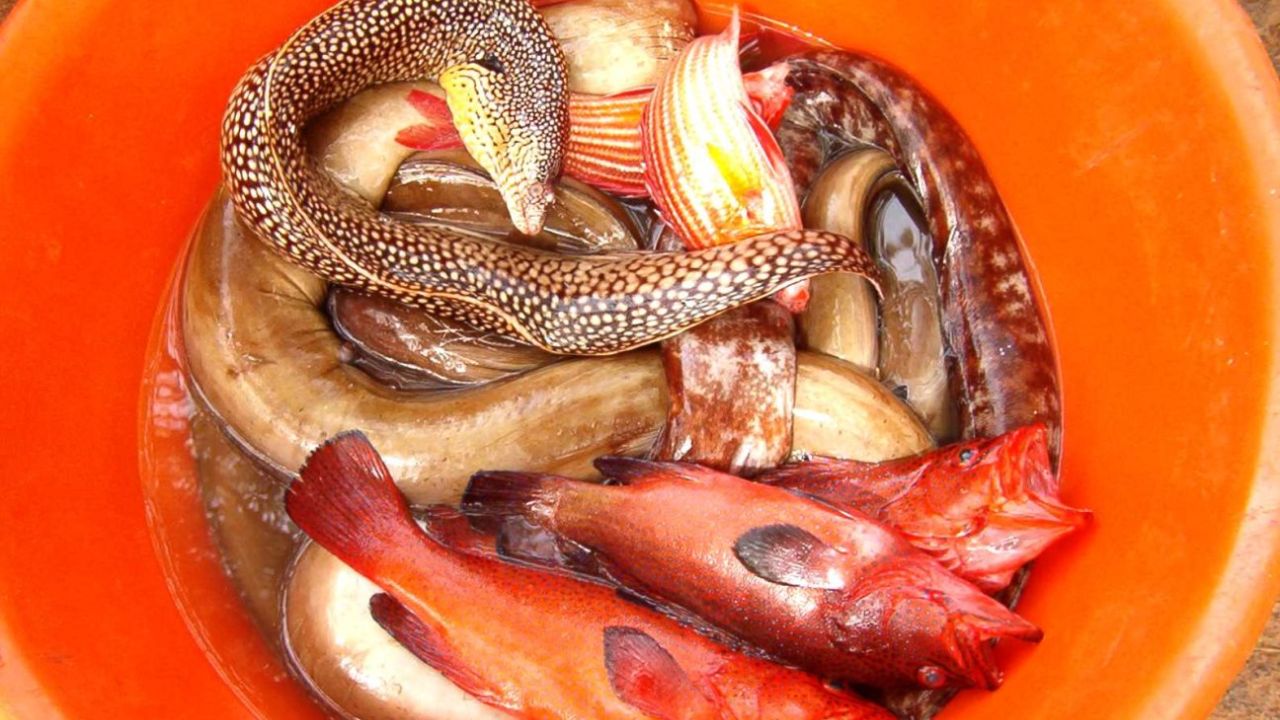
Being an island nation, Cape Verde offers excellent fresh fish and seafood. Tuna, wahoo, grouper, lobster, and octopus are commonly served, often grilled or cooked in light sauces that let the natural flavors stand out.
Grilled fish served with rice, vegetables, and lemon is one of the safest and tastiest options for visitors. Seafood stews and octopus dishes are also popular, especially on coastal islands like Sal, Boa Vista, and São Vicente. When ordering seafood, ask what is fresh that day, as menus often change based on the catch.
Popular Snacks and Street Food to Try
Cape Verde has several local snacks that are worth sampling. Pastel com diabo dentro is a small fried pastry filled with spicy tuna or fish, commonly sold near beaches and markets. It is flavorful, affordable, and widely loved.
Other common snacks include fried dough items, simple sandwiches, and grilled corn. Street food is generally safe in busy areas, especially when food is freshly cooked and vendors have a steady flow of customers.
Traditional Meat Dishes and Comfort Foods
Meat dishes are less common than seafood but still important in Cape Verdean cooking. Goat, chicken, and pork are used in slow-cooked stews and grilled dishes. Feijoada-style bean dishes and rice-based meals are popular in more traditional restaurants.
These foods are filling and reflect everyday island life. Tourists looking to understand local culture through food will find these dishes especially rewarding, even if they are not as visually elaborate as resort cuisine.
Desserts and Local Drinks to Experience
Cape Verdean desserts tend to be simple and sweet, often made with cornmeal, sugar, coconut, or condensed milk. Puddings and baked desserts are common after meals.
For drinks, try local fruit juices and coffee grown on some islands. Grogue, a strong sugarcane-based spirit, is part of local tradition but should be consumed carefully due to its high alcohol content. Many visitors enjoy tasting it in small amounts, especially in cultural or guided settings.
Foods Tourists Should Approach Carefully
While most food in Cape Verde is safe, there are a few things tourists should be cautious about. Very spicy versions of local dishes may be surprising for those not used to heat. Asking about spice levels before ordering is a good idea.
Raw or undercooked seafood should be avoided unless served in reputable restaurants. Tap water is not always recommended for drinking, so bottled water is safer for both drinking and brushing teeth. Ice in drinks is usually safe in hotels but less predictable in smaller establishments.
Eating at Restaurants vs Local Homes
Restaurants catering to tourists often offer milder flavors and international options alongside local dishes. These are good entry points for first-time visitors. Smaller local restaurants provide more authentic food but may have limited menus and no English descriptions.
If you are invited to eat in a local home, it is a special opportunity to experience true Cape Verdean hospitality. Accepting food graciously and showing interest in the meal is considered respectful and appreciated.
Final Thoughts on Cape Verdean Food
Cape Verde’s cuisine is not flashy, but it is deeply rooted in tradition, resourcefulness, and island life. Tourists who approach local food with curiosity and respect often find it to be one of the most memorable parts of their visit.
Trying traditional dishes like cachupa, enjoying fresh seafood, and understanding what to avoid will help you eat confidently and comfortably while exploring the islands.

Marta Silva is a travel writer and certified island guide with over twelve years leading small-group tours across Cape Verde. Based in Praia, Cape Verde, her professional background combines on-the-ground guiding, itinerary planning, and hospitality consulting. Her expertise includes island itineraries, public transport logistics, sustainable travel tips, and local culture immersion. Marta authored the practical guidebook “Discovering Santiago” and contributes island guides for regional tourism publications; she has partnered with Cape Verde’s tourism board on community-based tourism initiatives and regular travel-workshops for visiting journalists.