

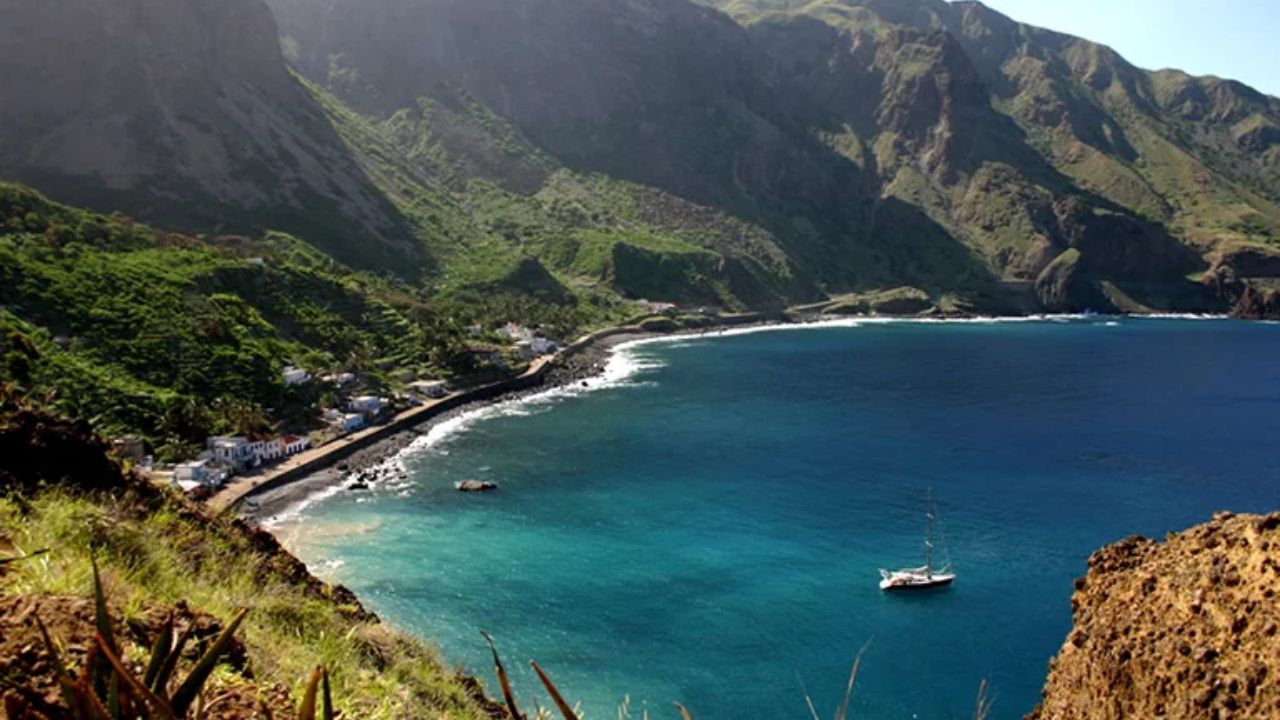
Brava is the smallest inhabited island in Cape Verde, located in the southwestern part of the archipelago near Fogo. Often called the “Island of Flowers,” Brava stands apart from the more tourist-developed islands like Sal and Boa Vista. Instead of large beach resorts and busy nightlife, visitors find green hills, dramatic cliffs, quiet villages, and a slow rhythm of life that feels untouched.
Because there is no international airport and limited ferry access, Brava receives far fewer visitors than other islands. For travelers seeking authenticity, peace, and natural beauty, that remoteness is exactly what makes it special.
Table of Contents
What Makes Brava the “Island of Flowers”?
Brava’s nickname comes from its relatively lush landscape. While many Cape Verde islands are dry and desert-like, Brava benefits from higher elevation and cooler air. The island often catches moisture from passing clouds, helping plants and flowers thrive—especially around the main town of Nova Sintra.
Nova Sintra sits in the hills and is known for its colorful colonial houses, quiet streets, and mountain views. The cooler climate makes it one of the most pleasant places in Cape Verde for walking and relaxing. Gardens, bougainvillea, and flowering plants add color to the scenery, especially after the rainy season.
What Can You Do on Brava Island?
Brava is ideal for travelers who enjoy hiking, photography, and cultural exploration rather than resort-style holidays.
Hiking is one of the top activities. Trails connect small villages, coastal cliffs, and viewpoints overlooking the Atlantic. Walks from Nova Sintra down toward Furna, the island’s port town, offer dramatic scenery and ocean panoramas. Some routes pass through farmland and terraced hillsides, giving insight into local agricultural life.
Furna itself is a quiet harbor town with simple guesthouses and a laid-back atmosphere. Watching fishing boats return at sunset or enjoying a meal of fresh seafood is often the highlight of a visit.
Brava is also known for its strong connection to the Cape Verdean diaspora. Many residents have family members in the United States, particularly in New England. This cultural link influences local traditions, architecture, and stories shared by residents.
Is Brava Good for Beaches?
Brava is not primarily a beach destination. Unlike Sal or Boa Vista, it does not have long stretches of white sand lined with resorts. However, it does offer dramatic coastal scenery and small, rugged beaches.
Swimming conditions can vary due to strong Atlantic currents, so visitors should check local advice before entering the water. The island is better suited for scenic coastal walks and cliff views rather than typical beach lounging.
Travelers who prioritize beach resorts and water sports may find other Cape Verde islands more suitable. Those who appreciate raw landscapes and quiet coastlines will find Brava rewarding.
How Do You Get to Brava?
Reaching Brava requires planning. There is no airport on the island. Most visitors first travel to Fogo Island, which has a domestic airport. From Fogo, ferries operate to Furna port on Brava, though schedules can change depending on sea conditions.
The ferry ride itself offers impressive views of volcanic landscapes and open ocean. However, rough seas can occasionally affect crossings, so flexibility in travel plans is important.
Because transport options are limited, Brava feels remote. That remoteness is part of its charm but also means travelers should book accommodations in advance and confirm ferry schedules locally.
When Is the Best Time to Visit Brava?
Brava’s climate is generally mild compared to some other islands. The dry season, typically from late autumn to early summer, offers sunny days and comfortable temperatures. Trade winds help keep conditions pleasant.
The short rainy season, usually between August and October, can make the landscape greener and enhance the island’s “Island of Flowers” appeal. However, rainfall can also affect travel plans and ferry reliability.
For hiking and walking, the cooler months are especially comfortable. Travelers should bring layers, as evenings in higher elevations like Nova Sintra can feel cooler than coastal areas.
Who Should Visit Brava Island?
Brava is ideal for independent travelers, couples, writers, photographers, and anyone looking to disconnect from crowds. It appeals to those who value simplicity, cultural authenticity, and scenic landscapes over luxury amenities.
It may not suit travelers seeking nightlife, all-inclusive resorts, or high-energy activities. Instead, Brava offers quiet mornings, long walks, local conversations, and panoramic views of the Atlantic.
For members of the Cape Verdean diaspora, Brava can also provide a meaningful cultural experience, connecting history, migration stories, and community life.
Is Brava Worth Visiting?
Brava may not be Cape Verde’s most famous island, but that is precisely its strength. Its slower pace, natural beauty, and strong community spirit create an experience that feels genuine and reflective.
For travelers willing to embrace limited infrastructure and flexible schedules, Brava rewards with tranquility, dramatic landscapes, and a sense of discovery that is increasingly rare in popular tourist destinations.
In a country known for beaches and sunshine, Brava quietly offers something different: perspective, peace, and a deeper connection to Cape Verde’s rural heart.

Marta Silva is a travel writer and certified island guide with over twelve years leading small-group tours across Cape Verde. Based in Praia, Cape Verde, her professional background combines on-the-ground guiding, itinerary planning, and hospitality consulting. Her expertise includes island itineraries, public transport logistics, sustainable travel tips, and local culture immersion. Marta authored the practical guidebook “Discovering Santiago” and contributes island guides for regional tourism publications; she has partnered with Cape Verde’s tourism board on community-based tourism initiatives and regular travel-workshops for visiting journalists.