

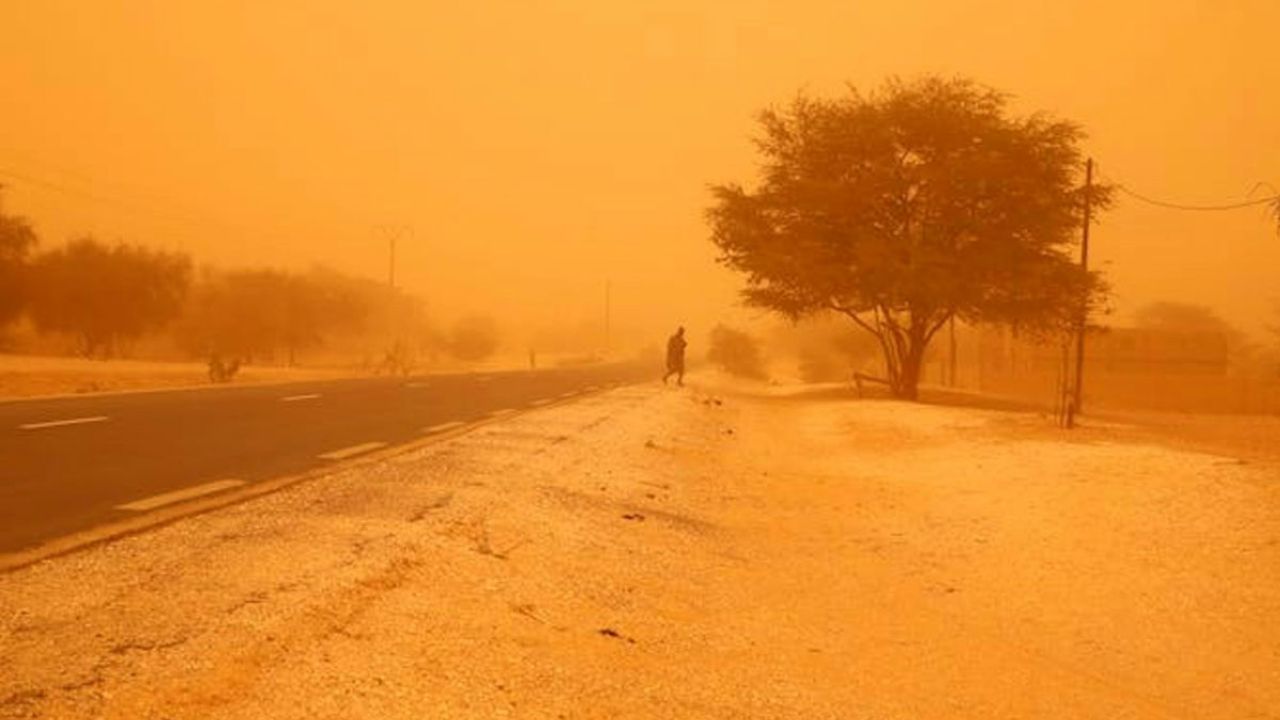
Harmattan season in Cape Verde is one of the most discussed yet least understood climate patterns affecting the islands. Travelers often hear about dust in the air, hazy skies, or reduced visibility—but what does it really mean for your trip?
The Harmattan is a dry, dusty wind that travels westward from the Sahara Desert across West Africa and into the Atlantic. When it reaches Cape Verde, it can carry fine desert dust particles that affect air clarity, humidity, and sometimes air quality. Understanding how this seasonal pattern works can help you plan smarter and travel more comfortably.
Table of Contents
What Is the Harmattan?
The Harmattan is a seasonal trade wind that typically blows between late November and March. It originates in the Sahara Desert and moves southwest across West Africa before reaching the Atlantic islands, including Cape Verde.
Unlike tropical storms or heavy rains, the Harmattan does not bring extreme weather. Instead, it brings dry air, lower humidity, and suspended dust particles that can create a light haze across the sky. Some days may appear slightly foggy, even when there are no clouds present.
The intensity of the Harmattan varies from year to year. Some seasons bring only mild dust, while others produce thicker haze that can reduce visibility temporarily.
When Does Harmattan Season Occur in Cape Verde?
Harmattan conditions are most common between December and February, though they can begin in late November and occasionally extend into early spring.
The dust episodes are usually temporary. You may experience a few hazy days followed by clearer conditions. It is not a constant event throughout the entire season. Weather patterns, wind direction, and atmospheric pressure determine how long each dust episode lasts.
Travelers visiting during winter months—often the busiest season for international visitors—should simply be aware that occasional haze is normal during this time.
How Does Harmattan Affect Air Quality?
During active Harmattan periods, fine dust particles known as particulate matter can remain suspended in the air. This may cause:
- Reduced visibility
- Dry throat or mild irritation
- Increased sensitivity for people with asthma or respiratory conditions
For most healthy travelers, the impact is minimal and temporary. However, individuals with respiratory issues may want to monitor local air conditions and carry necessary medication.
Air quality levels generally return to normal once wind patterns shift. Coastal breezes and ocean air help disperse dust over time.
What Does Harmattan Look Like?
Harmattan dust does not look like a sandstorm. Instead, the sky may appear pale, muted, or slightly greyish. Sunrises and sunsets can take on warmer tones because dust particles scatter light differently.
You may notice:
- Distant mountains appearing less sharp
- Slightly diffused sunlight
- A dry feel in the air
The ocean remains accessible, beaches stay open, and daily activities continue as usual.
Does Harmattan Disrupt Travel Plans?
In most cases, Harmattan season does not significantly disrupt travel in Cape Verde. Flights typically operate normally. Ferries continue running unless strong winds accompany the dust—which is not always the case.
Tourism infrastructure remains fully operational. Hotels, tours, hiking routes, and beach activities continue without interruption.
However, photographers and visitors seeking perfectly clear panoramic views may find visibility slightly reduced on dusty days. If scenic clarity is a priority, planning flexible outdoor days can help you adjust around hazier conditions.
Which Islands Are Most Affected?
Eastern islands such as Sal and Boa Vista may experience slightly stronger dust episodes because of their geographic position and flatter terrain. These islands are more exposed to incoming winds.
Mountainous islands like Santo Antão and Santiago can experience localized differences depending on elevation and wind direction. Valleys and coastal areas may feel less affected compared to open, exposed landscapes.
Still, Harmattan dust can reach all islands when conditions align.
Travel Tips During Harmattan Season
If you plan to visit Cape Verde during Harmattan season, a few practical steps can improve comfort:
- Pack sunglasses to reduce light glare from haze
- Carry lip balm and moisturizer to manage dryness
- Stay hydrated, as dry air increases water loss
- If you have respiratory conditions, bring prescribed medication
Lightweight scarves can also be useful on dustier days, especially if you are sensitive to airborne particles.
Is Harmattan a Reason to Avoid Visiting?
For most travelers, Harmattan season is not a reason to avoid Cape Verde. In fact, winter months remain among the most popular times to visit due to pleasant temperatures and lower humidity.
The dust episodes are usually temporary and rarely severe enough to affect enjoyment. Many visitors may not even notice mild Harmattan conditions unless they are actively looking for crystal-clear visibility.
If your primary goal is hiking, cultural exploration, beach relaxation, or reconnecting with Cape Verdean heritage, Harmattan season is unlikely to interfere significantly.
Final Thoughts on Harmattan Season in Cape Verde
Harmattan season in Cape Verde is a natural and predictable climate pattern linked to Saharan trade winds. While it can bring temporary dust haze and slightly reduced air clarity, it rarely disrupts travel plans or daily life on the islands.
By understanding what Harmattan is—and what it is not—you can approach your trip with realistic expectations. With proper preparation and flexibility, most visitors experience Cape Verde’s landscapes, culture, and coastline without major impact.
For travelers planning winter visits, awareness is key. A few hazy days are part of the region’s climate rhythm, but they are only one small element of the broader island experience.

Marta Silva is a travel writer and certified island guide with over twelve years leading small-group tours across Cape Verde. Based in Praia, Cape Verde, her professional background combines on-the-ground guiding, itinerary planning, and hospitality consulting. Her expertise includes island itineraries, public transport logistics, sustainable travel tips, and local culture immersion. Marta authored the practical guidebook “Discovering Santiago” and contributes island guides for regional tourism publications; she has partnered with Cape Verde’s tourism board on community-based tourism initiatives and regular travel-workshops for visiting journalists.