

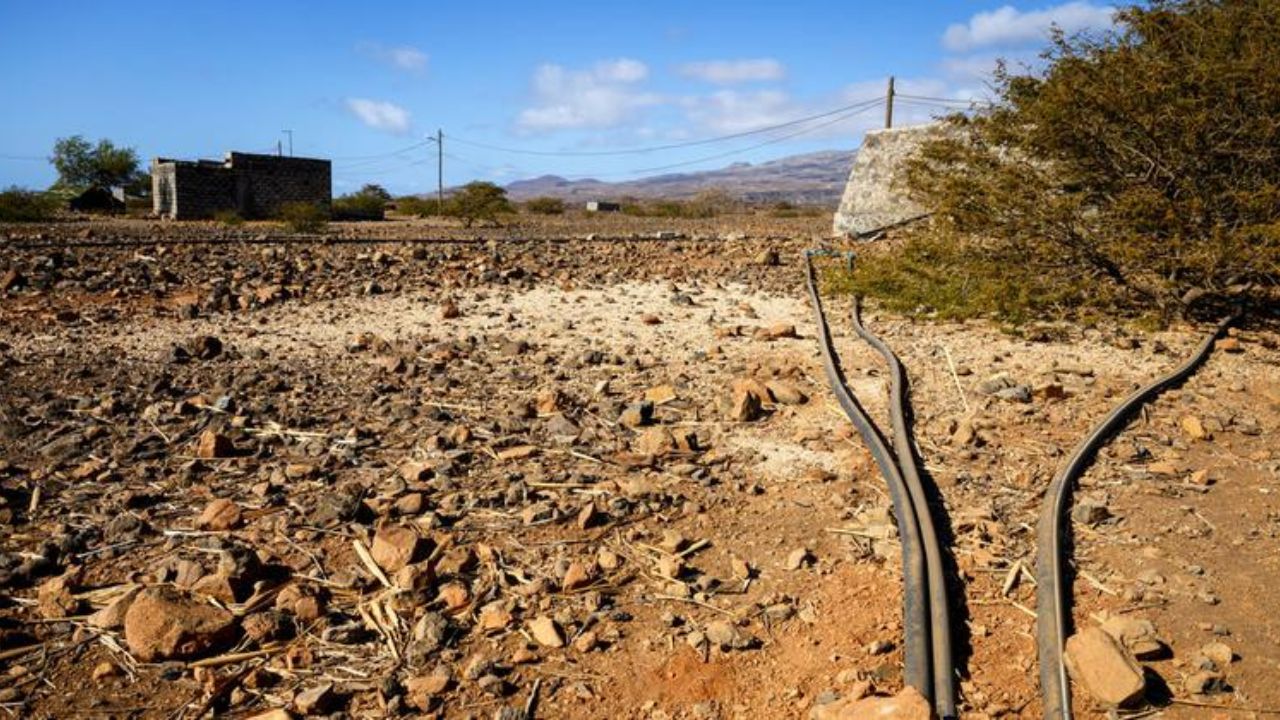
Cape Verde’s history cannot be understood without acknowledging the powerful role of drought. Situated in the Atlantic Ocean off the coast of West Africa, the archipelago lies within the Sahelian climate zone, where rainfall is irregular and often scarce. Over centuries, recurring droughts have shaped not only the islands’ agriculture and economy, but also migration patterns, family structures, political development, and cultural identity.
Drought in Cape Verde has never been just an environmental issue. It has been a defining social force.
Table of Contents
Early Settlement and Environmental Reality
When the islands were settled in the 15th century, agriculture quickly became central to survival. However, Cape Verde’s volcanic soil, limited freshwater sources, and highly variable rainfall made farming unpredictable. Periods of extended drought led to crop failure, livestock loss, and food shortages.
Unlike mainland regions with rivers and larger land areas, the islands offered little environmental flexibility. Communities had to adapt early by developing water conservation techniques, terraced farming, and diversified crops. Still, prolonged drought cycles often overwhelmed local resilience.
These environmental limitations laid the foundation for a society deeply aware of climate risk.
Famine and Social Transformation
Between the 18th and 20th centuries, severe droughts triggered repeated famines. Historical records document devastating food shortages, particularly during the 1770s, 1830s, and early 1900s. These crises resulted in widespread hunger, disease, and significant population decline.
Famine reshaped social structures. Families were separated as individuals sought work abroad. Communities relied heavily on informal support networks, faith institutions, and extended kinship ties to survive. In many cases, survival depended on migration or remittances from relatives overseas.
These cycles of drought and famine fostered a culture of endurance, cooperation, and adaptation that still characterizes Cape Verdean society today.
The Rise of Migration and the Diaspora
One of the most lasting impacts of drought has been migration. Limited agricultural opportunity and repeated environmental crises pushed many Cape Verdeans to seek work abroad. By the 19th century, migration to the United States, particularly New England whaling communities, had begun.
Over time, drought-driven emigration became a structural feature of society. Families came to depend on remittances sent from relatives in the U.S., Europe, and other parts of Africa. Today, the Cape Verdean diaspora is larger than the population living on the islands.
Migration reshaped family life. Transnational households became common, where economic survival depended on relatives working abroad. This pattern continues to influence economic stability and identity across generations.
Agricultural Innovation and Adaptation
Despite harsh conditions, Cape Verdeans developed adaptive agricultural practices. Terracing hillsides reduced soil erosion. Farmers experimented with drought-resistant crops such as maize, beans, and cassava. Rainwater harvesting and small-scale irrigation projects became essential in rural communities.
In the late 20th century, investments in reforestation and soil conservation programs aimed to reduce desertification. Tree-planting campaigns helped stabilize land and mitigate the impact of dry seasons. These efforts reflect a long-standing awareness that survival depends on environmental management.
The experience of drought encouraged innovation and reinforced the value of local knowledge passed down through generations.
Political Awareness and Governance
Recurring drought crises also influenced political consciousness. During colonial rule, insufficient famine response from Portuguese authorities fueled dissatisfaction. Environmental hardship became intertwined with broader demands for reform and self-determination.
After independence in 1975, national leadership prioritized food security, water management, and international cooperation. Recognizing that rainfall could not be controlled, policymakers focused on infrastructure, desalination, and diversified economic development.
Tourism, services, and diaspora investment gradually reduced dependence on rain-fed agriculture. Yet drought preparedness remains central to national planning.
Cultural Memory and Identity
Drought has shaped Cape Verdean cultural expression. Music, poetry, and oral storytelling frequently reference hardship, longing, migration, and resilience. Themes of separation and hope echo the historical realities of environmental struggle and diaspora life.
Food traditions also reflect scarcity. Many staple dishes evolved from limited ingredients that could survive dry conditions. Communal values, mutual aid, and strong family bonds grew partly from shared survival experiences.
Rather than being defined solely by hardship, Cape Verdean identity incorporates resilience as a core value. Drought did not erase culture; it strengthened collective solidarity.
Modern Climate Challenges
Today, climate change intensifies concerns about rainfall variability. Although famine on the scale of earlier centuries has largely been prevented through improved infrastructure and global support, water scarcity remains a serious issue.
Modern Cape Verde relies heavily on desalination plants, imported food, and economic diversification. The historical memory of drought continues to inform disaster preparedness and sustainable planning.
The past serves as both warning and guide.
Conclusion
Drought has shaped Cape Verdean society in profound and lasting ways. From migration patterns and agricultural innovation to political awareness and cultural identity, environmental hardship influenced nearly every dimension of life.
Yet the story is not simply one of scarcity. It is a story of adaptation, global connection, and resilience. The islands transformed environmental vulnerability into social strength, building a society that values cooperation, innovation, and community across borders.
Understanding drought is essential to understanding Cape Verde itself.

Marta Silva is a travel writer and certified island guide with over twelve years leading small-group tours across Cape Verde. Based in Praia, Cape Verde, her professional background combines on-the-ground guiding, itinerary planning, and hospitality consulting. Her expertise includes island itineraries, public transport logistics, sustainable travel tips, and local culture immersion. Marta authored the practical guidebook “Discovering Santiago” and contributes island guides for regional tourism publications; she has partnered with Cape Verde’s tourism board on community-based tourism initiatives and regular travel-workshops for visiting journalists.