

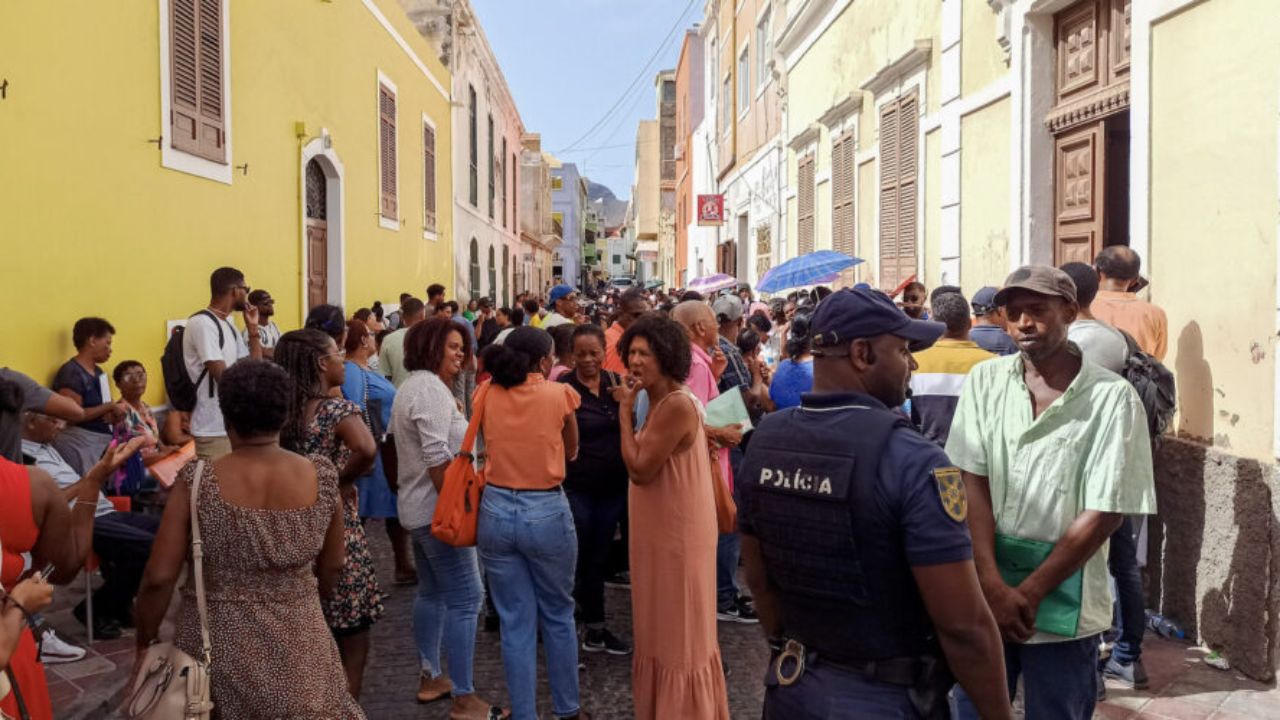
Cape Verde is often described as culturally African, historically European, and linguistically unique. One of the first things visitors, students, and members of the diaspora notice is that two languages coexist side by side in everyday life. Understanding how Portuguese and Creole are used helps explain how Cape Verdean society functions and why language is such an important part of national identity.
In Cape Verde, language is not just a communication tool. It reflects history, migration, education, and social context.
Table of Contents
Why Cape Verde Has Two Main Languages
Cape Verde was uninhabited before the Portuguese arrived in the 15th century. As settlement expanded, enslaved Africans from different regions were brought to the islands. These populations spoke different languages and needed a way to communicate with each other and with Portuguese settlers.
Over time, a new language developed. This language blended Portuguese vocabulary with African grammatical structures and pronunciation. That language is now known as Cape Verdean Creole, often simply called “Kriolu.”
Portuguese remained the language of administration, religion, and formal power. Creole became the language of daily life. This dual-language system continues today.
Portuguese in Cape Verde
Portuguese is the official language of Cape Verde. It is used in government, courts, schools, official documents, and most written media.
All formal education is conducted in Portuguese. School textbooks, exams, laws, and public notices are written in Portuguese, and national television news is typically broadcast in Portuguese as well.
For visitors, this means that:
- Signs, menus, and official information are usually written in Portuguese
- Government offices and formal services operate in Portuguese
- Anyone educated in Cape Verde understands Portuguese well
However, Portuguese is not usually the language people choose for casual conversation.
Cape Verdean Creole Explained
Creole is the mother tongue of the vast majority of Cape Verdeans. It is the language spoken at home, among friends, in markets, and in everyday social life.
Creole is not one single uniform language. Each island has its own variation, with differences in pronunciation, vocabulary, and rhythm. Speakers from different islands understand each other, but accents and word choices can vary noticeably.
Creole is primarily a spoken language, although standardized writing systems exist and are increasingly used in music, literature, and social media.
Emotionally and culturally, Creole holds deep importance. It is the language of songs, oral storytelling, humor, and shared identity.
How the Two Languages Are Used in Daily Life
In practice, Cape Verdeans switch between Portuguese and Creole depending on the situation.
Portuguese is used for:
- School and academic settings
- Official announcements and documents
- Formal interviews and professional environments
Creole is used for:
- Family conversations
- Social gatherings and daily interactions
- Music, jokes, and emotional expression
This code-switching is natural and fluid. Many Cape Verdeans move between both languages several times a day without thinking about it.
Which Language Should Visitors Expect to Hear
Most visitors hear Creole far more often than Portuguese once they leave airports, hotels, or official settings.
Tourism workers usually speak Portuguese and often English or French, but among themselves they will usually speak Creole. Taxi drivers, shop owners, and local residents primarily use Creole in casual conversation.
Visitors are not expected to speak Creole. Speaking Portuguese, English, or French is usually enough. However, learning a few Creole greetings is often appreciated and helps create warmer interactions.
Is Creole an Official Language?
At present, Portuguese remains the only official language of Cape Verde. However, Creole is recognized as a national language and a key element of cultural heritage.
There have been ongoing discussions about giving Creole official status alongside Portuguese, especially in education and public life. Some schools and cultural programs already promote bilingual approaches, but Portuguese still dominates formal systems.
The debate reflects a broader question of identity: balancing international communication with local expression.
Language and the Cape Verdean Diaspora
Among Cape Verdeans living abroad, especially in the United States and Europe, Creole often remains the language of home and community. Portuguese is sometimes lost over generations, while Creole continues as a marker of identity.
Diaspora communities frequently mix Creole with English or Portuguese, creating new expressions while maintaining cultural roots.
For many Cape Verdean-Americans, learning or preserving Creole is a way of staying connected to family history and island culture.
Why Understanding This Matters
Knowing the difference between Portuguese and Creole helps travelers avoid confusion and better understand social dynamics. It also helps students and researchers appreciate how language reflects Cape Verde’s history of migration, resilience, and adaptation.
Portuguese connects Cape Verde to global institutions and Lusophone countries. Creole connects Cape Verdeans to each other.
Both languages together tell the full story of the islands.
Final Thoughts
Cape Verde is officially Portuguese-speaking, but Creole is the heartbeat of daily life. One language governs institutions; the other carries emotion, memory, and culture.
Understanding how Portuguese and Creole coexist offers deeper insight into Cape Verdean society and helps visitors and readers engage with the islands in a more respectful and informed way.

Marta Silva is a travel writer and certified island guide with over twelve years leading small-group tours across Cape Verde. Based in Praia, Cape Verde, her professional background combines on-the-ground guiding, itinerary planning, and hospitality consulting. Her expertise includes island itineraries, public transport logistics, sustainable travel tips, and local culture immersion. Marta authored the practical guidebook “Discovering Santiago” and contributes island guides for regional tourism publications; she has partnered with Cape Verde’s tourism board on community-based tourism initiatives and regular travel-workshops for visiting journalists.