

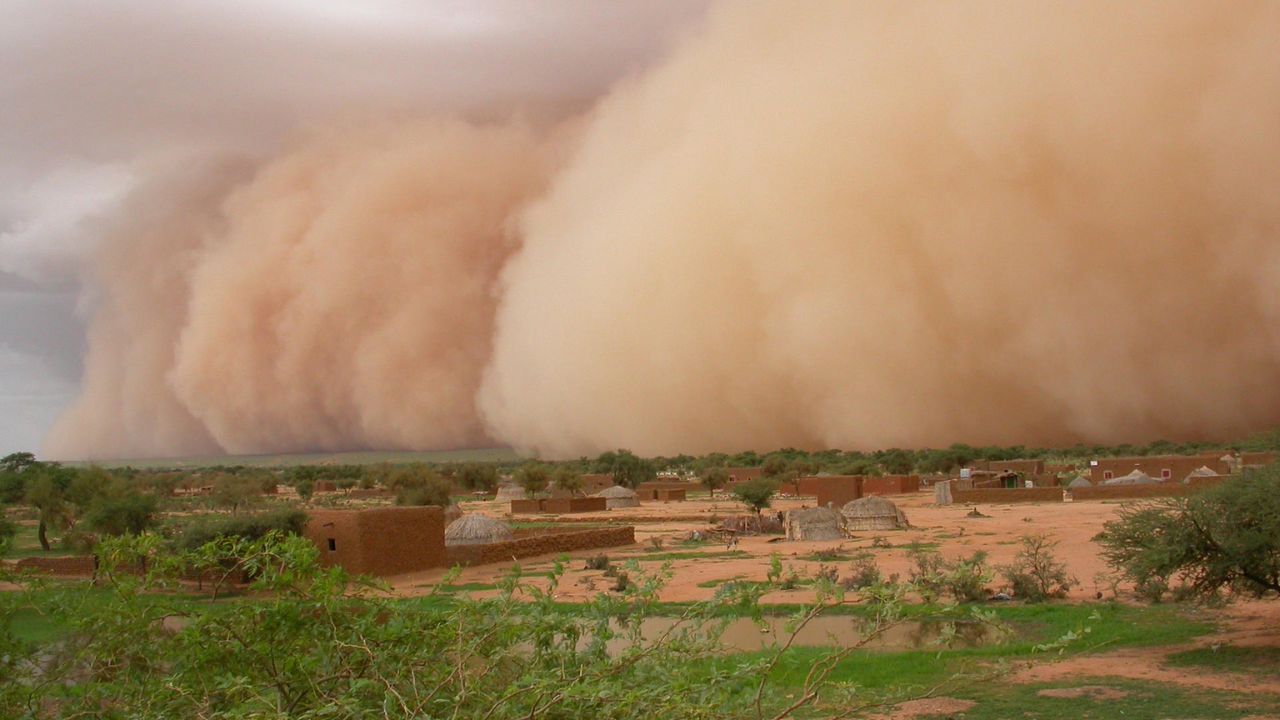
If you’re planning a trip to Cape Verde during the winter months, you may hear locals or travel guides mention the Harmattan winds. These seasonal winds play a quiet but important role in shaping weather conditions across the islands. Understanding how the Harmattan works can help you plan better, pack smarter, and avoid surprises during your visit.
What Are Harmattan Winds?
The Harmattan is a dry, dusty wind that blows from the Sahara Desert toward the Atlantic Ocean. It typically affects West Africa between late November and March, and Cape Verde lies directly in its path. As the wind travels across the desert, it picks up fine sand and dust particles, carrying them thousands of kilometers over land and sea.
Table of Contents
In Cape Verde, the Harmattan is not a storm or extreme weather event. Instead, it shows up as persistent dry air, increased wind, and airborne dust that can subtly change visibility, humidity, and comfort levels for travelers.
When Harmattan Winds Occur in Cape Verde
Harmattan conditions are most common from December through February, with occasional extensions into early March. These months also overlap with Cape Verde’s peak tourist season, especially for visitors escaping colder climates in Europe and North America.
The intensity of the Harmattan varies year to year. Some winters experience light haze and gentle breezes, while others bring stronger winds and noticeable dust for several days at a time. The effects are usually temporary and rarely disrupt daily life completely.
How Harmattan Winds Affect Weather Conditions
During Harmattan periods, Cape Verde experiences lower humidity levels, which can make the air feel cooler and drier than expected. Daytime temperatures generally remain pleasant, but evenings may feel cooler, especially on wind-exposed islands like Sal and Boa Vista.
Visibility can be reduced due to fine dust suspended in the air. This haze may soften sunlight and dull sky colors, creating muted landscapes rather than the sharp blue skies many travelers expect. Rainfall remains extremely low during this season, as the Harmattan suppresses cloud formation.
Impact on Beaches and Ocean Activities
For beach lovers, the Harmattan has mixed effects. The dry air makes sun exposure more intense, so sunscreen and hydration become even more important. Windy conditions can increase ocean chop, which may affect swimming comfort on certain beaches.
On the positive side, these winds are ideal for wind-based sports such as kitesurfing and windsurfing. Many travelers intentionally visit Cape Verde during Harmattan season for these activities, particularly on Sal and Boa Vista, which are known for consistent trade winds.
Effects on Flights and Transportation
Harmattan dust can occasionally reduce visibility at airports, leading to minor flight delays or schedule adjustments. However, full cancellations are uncommon. Inter-island flights and ferries usually continue operating, though rougher seas may affect ferry comfort on particularly windy days.
Travelers should remain flexible during winter travel and allow buffer time between connections, especially when island-hopping.
Health and Comfort Considerations for Travelers
The dry, dusty air can cause mild irritation for some visitors. Common complaints include dry skin, chapped lips, dry eyes, or minor throat irritation. Travelers with asthma, allergies, or respiratory sensitivities may notice symptoms more easily during strong Harmattan days.
Simple precautions such as drinking plenty of water, using moisturizers, and wearing sunglasses can greatly improve comfort. For sensitive travelers, a light face covering can help reduce dust inhalation during windy periods.
What to Pack During Harmattan Season
Packing thoughtfully makes a noticeable difference when traveling during Harmattan months. Lightweight layers help manage cooler evenings, while breathable fabrics remain comfortable during the day. Sunscreen is essential, as reduced cloud cover increases UV exposure.
Travelers should also bring lip balm, moisturizer, and eye drops to counteract dryness. If you plan outdoor excursions, a light scarf or neck covering can be useful on especially windy days.
Is Harmattan Season a Good Time to Visit Cape Verde?
Despite its quirks, Harmattan season is still one of the most popular times to visit Cape Verde. The dry weather, mild temperatures, and low rainfall make it ideal for outdoor exploration, beach stays, and cultural events.
Travelers who understand the Harmattan and prepare accordingly often find the experience pleasant rather than problematic. With realistic expectations and proper planning, these seasonal winds become just another part of Cape Verde’s unique climate character rather than a reason to avoid travel.

Joao Fernandes is a climatologist and historian specializing in Cape Verde’s weather patterns and island history, with fifteen years at the national meteorological institute and university research. Based in Praia, Cape Verde, his professional background blends climate analysis, historical archival research, and public policy advising. His expertise covers seasonal wind and rainfall forecasts, climate resilience for coastal communities, and archival studies of colonial-era records. Joao co-authored the book “Climate and Culture of Cape Verde,” published peer-reviewed papers, and advised municipal planners on weather-informed heritage conservation.