

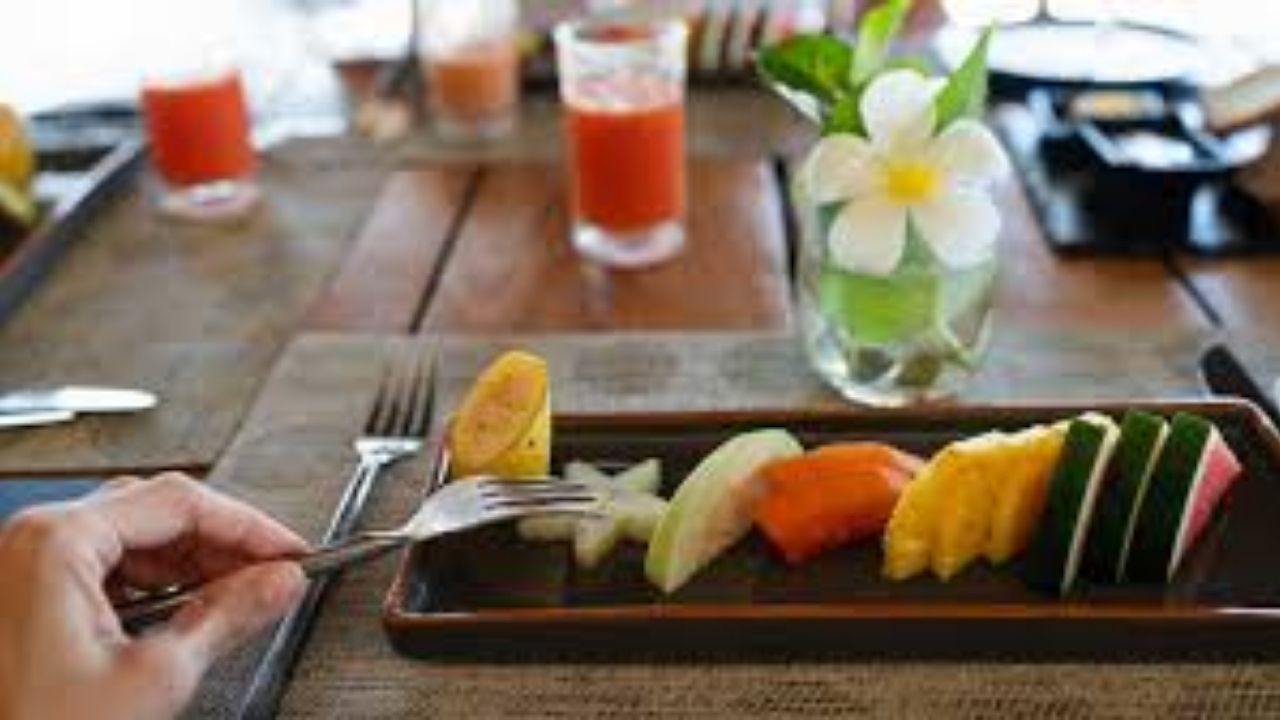
Cape Verde offers a rich and satisfying food culture influenced by African, Portuguese, and Atlantic traditions. From fresh seafood and slow-cooked stews to street snacks and tropical fruits, food is a major part of the travel experience. For visitors, especially those traveling from the United States or Europe, understanding basic food safety practices can help prevent stomach issues and ensure a smooth trip. This guide explains practical, realistic food safety tips for visitors to Cape Verde without unnecessary fear or exaggeration.
Understand Local Food Culture Before You Eat
Food preparation standards in Cape Verde vary depending on location. Hotels, resorts, and established restaurants generally follow good hygiene practices. Smaller local eateries, street vendors, and rural kitchens may operate differently, often using traditional methods rather than commercial food safety systems. This does not automatically mean food is unsafe, but visitors should observe cleanliness, food handling, and cooking practices before ordering.
Table of Contents
Choose Restaurants Wisely
When eating out, select places that appear clean, busy, and well-maintained. Restaurants with steady local customers are often a good sign, as high turnover usually means fresher ingredients. Avoid places where food sits uncovered for long periods or where surfaces appear unclean. In tourist areas like Sal, Boa Vista, and Mindelo, restaurants catering to visitors generally understand international expectations around hygiene.
Be Careful With Street Food
Street food is popular and often delicious in Cape Verde, but it requires extra caution. Choose vendors who cook food fresh in front of you and serve it hot. Avoid items that have been sitting out, especially meat, rice, or seafood dishes exposed to sun and dust. Fried foods prepared at high temperatures tend to be safer than cold or pre-cooked options.
Drink Water Safely
Tap water in Cape Verde is not consistently treated to international drinking standards. Visitors should avoid drinking tap water directly, including using it to brush teeth if they have a sensitive stomach. Bottled water is widely available and affordable across the islands. Always check that bottle seals are intact. Ice in drinks should be avoided unless you are certain it is made from purified water, typically only in higher-end hotels and resorts.
Handle Fruits and Vegetables Carefully
Fresh fruits are abundant and appealing, but they should be washed properly or peeled before eating. Stick to fruits you can peel yourself, such as bananas, oranges, mangoes, and papayas. Raw vegetables and salads may pose a higher risk unless served at reputable restaurants that use treated water. When in doubt, choose cooked vegetables instead of raw ones.
Be Selective With Seafood
Seafood is a highlight of Cape Verdean cuisine, but freshness matters. Eat seafood only at places known for high turnover and proper storage. Fish should be fully cooked and served hot. Avoid raw or undercooked seafood, including oysters or ceviche-style dishes, especially outside major hotels. If seafood smells overly strong or looks questionable, skip it.
Practice Personal Hygiene
Good personal hygiene plays a major role in preventing food-related illness. Wash hands regularly with soap and clean water, especially before eating. Carry alcohol-based hand sanitizer for situations where soap and water are unavailable. Avoid touching food directly with unwashed hands, particularly when eating snacks or street food.
Be Cautious With Dairy and Eggs
Milk, cheese, and eggs are commonly used in Cape Verdean cooking. Pasteurized dairy products served in hotels and supermarkets are generally safe. In rural areas, homemade dairy products may not be pasteurized. Eggs should be fully cooked; avoid runny yolks or dishes with raw eggs unless prepared in reputable establishments.
Know How to Respond If You Feel Unwell
Despite precautions, mild stomach discomfort can still happen when traveling. Carry basic medications such as oral rehydration salts and anti-diarrheal medicine. Stay hydrated with bottled water and avoid heavy or spicy foods if symptoms appear. If symptoms are severe or persistent, seek medical assistance at a local clinic or hospital, especially in larger towns.
Final Thoughts for Visitors
Food safety in Cape Verde is manageable with common sense and awareness rather than strict avoidance. Most travelers enjoy local cuisine without problems by choosing clean establishments, eating freshly cooked food, and avoiding unsafe water. By following these practical tips, visitors can confidently explore Cape Verde’s food culture while protecting their health and enjoying their journey.

Joao Fernandes is a climatologist and historian specializing in Cape Verde’s weather patterns and island history, with fifteen years at the national meteorological institute and university research. Based in Praia, Cape Verde, his professional background blends climate analysis, historical archival research, and public policy advising. His expertise covers seasonal wind and rainfall forecasts, climate resilience for coastal communities, and archival studies of colonial-era records. Joao co-authored the book “Climate and Culture of Cape Verde,” published peer-reviewed papers, and advised municipal planners on weather-informed heritage conservation.