

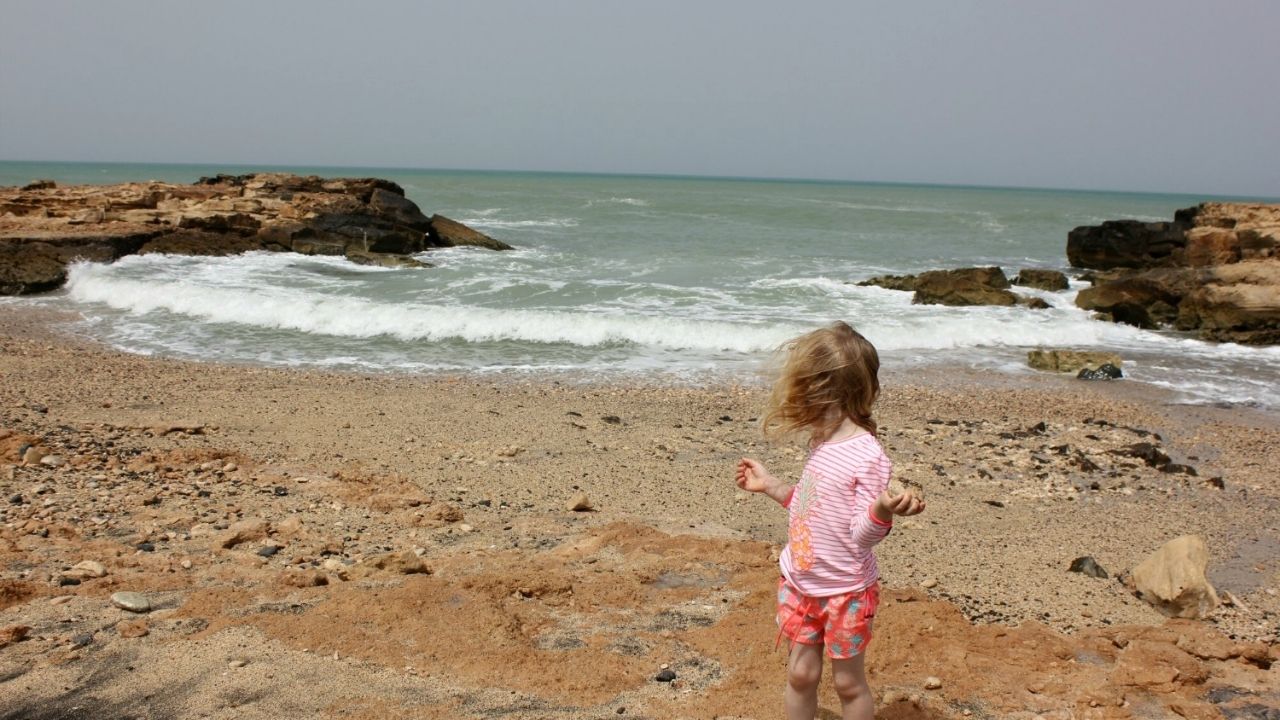
Traveling with children requires extra attention to climate, comfort, and safety. One of the biggest advantages of visiting Cape Verde as a family is its predictable weather. The islands enjoy a mild, dry, and sunny climate for most of the year, making it easier for parents to plan activities without worrying about extreme heat, cold, or sudden storms.
This guide explains what families should know about Cape Verde’s weather, which months are most comfortable for kids, and how seasonal conditions can affect beaches, excursions, and daily routines.
Table of Contents
Understanding Cape Verde’s Climate
Cape Verde has a tropical but dry climate influenced by Atlantic trade winds. Temperatures stay fairly stable year-round, with warm days and cooler evenings. Unlike many tropical destinations, humidity levels are generally low, which helps children tolerate the heat better.
Daytime temperatures usually range between 23°C and 30°C (73°F to 86°F). Nights are cooler, especially during winter months, which makes sleeping more comfortable for younger children. Extreme weather events are rare, and long periods of heavy rain are uncommon.
Best Months for Families With Children
For families traveling with kids, the most comfortable months are from November to June. During this period, temperatures are warm but not overwhelming, rainfall is minimal, and the sea is usually calm enough for supervised swimming.
December to April is especially popular with families from the United States and Europe. The weather feels like a pleasant summer without excessive heat, making it ideal for beach days, short walks, and outdoor sightseeing with children.
July to October is warmer and slightly more humid. While many families still travel during these months, parents should plan midday breaks and ensure children stay hydrated and protected from the sun.
Rainy Season and What It Means for Families
Cape Verde’s rainy season is short and typically runs from August to October. Even then, rainfall is usually light and brief rather than constant. Rain often falls in short bursts, followed by sunshine.
For families, this means travel plans are rarely disrupted for long periods. Roads generally remain accessible, and resort areas continue operating normally. Parents traveling with toddlers or young children may prefer to avoid September, when humidity peaks and rain is slightly more frequent.
Wind and Ocean Conditions
Trade winds are a defining feature of Cape Verde’s climate. From December to March, winds are stronger, especially on islands like Sal and Boa Vista. While this creates excellent conditions for kite surfing, it can feel breezy for small children.
Families should choose sheltered beaches, bring light jackets for younger kids, and avoid overly windy coastal areas during peak wind months. From May to October, winds are calmer, and the ocean feels gentler, which is better for family-friendly swimming and water play.
Sea Temperature and Swimming Comfort
Ocean temperatures remain inviting throughout the year, usually between 22°C and 26°C (72°F to 79°F). Children can swim comfortably in most months without wetsuits.
Parents should still pay attention to currents and always choose beaches known for calmer waters. Resort beaches and protected bays are generally the safest options for families with younger children.
Sun Exposure and Heat Safety for Kids
Sun exposure is one of the main weather-related concerns for families in Cape Verde. UV levels can be high year-round, even during cooler months.
Parents should plan outdoor activities in the morning or late afternoon, use reef-safe sunscreen regularly, and dress children in lightweight, breathable clothing. Hats and UV-protective swimwear are strongly recommended, especially for babies and toddlers.
Packing Tips Based on Weather
Cape Verde’s weather allows families to pack light, but a few essentials make a big difference. Bring breathable cotton clothing, swimwear, sandals, and comfortable walking shoes. A light sweater or jacket is useful for evenings and windy days.
For younger children, pack sun hats, refillable water bottles, and after-sun lotion. If traveling during winter months, a light windbreaker is helpful for coastal areas.
Final Thoughts for Family Travelers
Cape Verde’s stable and forgiving climate makes it one of the easiest island destinations for families traveling with kids. With warm temperatures, low rainfall, and minimal weather surprises, parents can focus on enjoying the trip rather than managing climate-related stress.
By choosing the right season, planning around wind and sun exposure, and packing thoughtfully, families can enjoy relaxed beach days, cultural outings, and outdoor adventures that suit children of all ages.

Marta Silva is a travel writer and certified island guide with over twelve years leading small-group tours across Cape Verde. Based in Praia, Cape Verde, her professional background combines on-the-ground guiding, itinerary planning, and hospitality consulting. Her expertise includes island itineraries, public transport logistics, sustainable travel tips, and local culture immersion. Marta authored the practical guidebook “Discovering Santiago” and contributes island guides for regional tourism publications; she has partnered with Cape Verde’s tourism board on community-based tourism initiatives and regular travel-workshops for visiting journalists.