

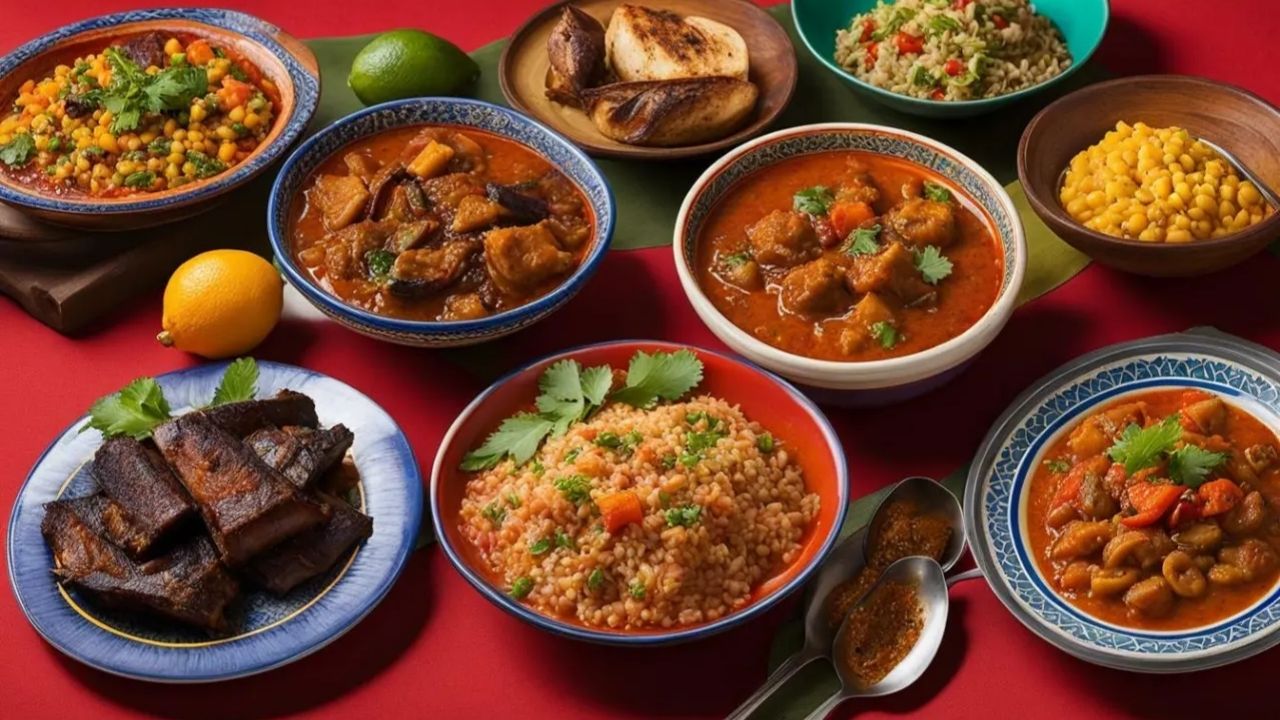
Cape Verdean cuisine is deeply tied to history, geography, and daily life. Each island adds its own variation to shared staples like corn, beans, fish, and slow-cooked stews. Travelers often ask which island offers the best local food, but the answer depends on what kind of food experience you are looking for—home-style cooking, street food, seafood, or regional specialties. Comparing the islands through food reveals not just flavors, but culture itself.
Santiago: The Heart of Traditional Cape Verdean Cuisine
Santiago Island is widely considered the best island for experiencing authentic, traditional Cape Verdean food. As the most populated island and cultural center, Santiago is where many national dishes originated and are still cooked the old way.
Table of Contents
This is the island where cachupa—Cape Verde’s national dish—is at its most authentic. Slow-cooked with corn, beans, cassava, sweet potato, and local meats, cachupa on Santiago is hearty, rustic, and deeply flavorful. You’ll also find excellent cachupa refogada (fried leftovers for breakfast), grilled goat, stewed chicken, and local greens prepared simply but well.
Local markets and neighborhood eateries dominate the food scene here. Meals are affordable, portions are generous, and recipes are passed down through generations. For travelers who want food that reflects everyday Cape Verdean life, Santiago stands at the top.
São Vicente: Street Food, Music, and Coastal Flavors
São Vicente, especially in the city of Mindelo, offers a different but equally compelling food experience. The island is known for its lively culture, music scene, and vibrant street life—and the food reflects that energy.
São Vicente is famous for casual dining and street food. Grilled fish sandwiches, tuna steaks, fried moray eel, and seafood stews are widely available. You’ll also find excellent pastéis (savory pastries), grilled corn, and simple plates served late into the night.
While São Vicente may not be as traditional as Santiago in terms of home cooking, it excels in variety and accessibility. If you enjoy eating where locals gather after concerts, festivals, or evenings out, São Vicente is a strong contender.
Fogo: Unique Flavors Shaped by Volcano and Wine
Fogo Island offers one of the most distinctive food cultures in Cape Verde. The volcanic soil affects agriculture, resulting in unique flavors not found elsewhere in the country.
Fogo is known for its local wine and coffee, both grown on volcanic slopes. Dishes here often feature slow-cooked meats, rich sauces, and hearty ingredients designed for cooler mountain climates. Goat stew, cheese from local dairies, and homemade bread are highlights.
Food on Fogo feels intimate and regional. It may not have the variety of Santiago or the buzz of São Vicente, but for travelers interested in terroir and local products, Fogo offers something special.
Sal and Boa Vista: International Dining Over Local Depth
Sal and Boa Vista are popular tourist destinations, but they are not the best islands for discovering deep local food traditions.
Most restaurants cater to international visitors, especially in resort areas. While you can still find grilled fish, seafood rice, and occasional cachupa, menus often lean toward European-style dishes. Prices are higher, and truly local cooking is harder to find unless you leave tourist zones.
These islands are ideal for beach vacations, but food-focused travelers may find them less rewarding compared to Santiago or São Vicente.
So, Which Island Has the Best Local Food?
If the question is which island offers the most authentic and traditional Cape Verdean food, the answer is clearly Santiago Island. Its everyday cooking, local markets, and deep-rooted food culture make it unmatched.
If you value street food, seafood, and social dining, São Vicente is a close second. For regional specialties and unique agricultural products, Fogo stands out. Sal and Boa Vista, while enjoyable, are better suited for international dining than local culinary exploration.
Final Verdict for Food-Loving Travelers
For travelers who want to understand Cape Verde through taste, Santiago is the best starting point. Pair it with São Vicente for variety and atmosphere, or add Fogo for something truly distinctive. Food in Cape Verde is not about luxury—it’s about patience, simplicity, and community, and nowhere is that more evident than on Santiago Island.

Marta Silva is a travel writer and certified island guide with over twelve years leading small-group tours across Cape Verde. Based in Praia, Cape Verde, her professional background combines on-the-ground guiding, itinerary planning, and hospitality consulting. Her expertise includes island itineraries, public transport logistics, sustainable travel tips, and local culture immersion. Marta authored the practical guidebook “Discovering Santiago” and contributes island guides for regional tourism publications; she has partnered with Cape Verde’s tourism board on community-based tourism initiatives and regular travel-workshops for visiting journalists.