

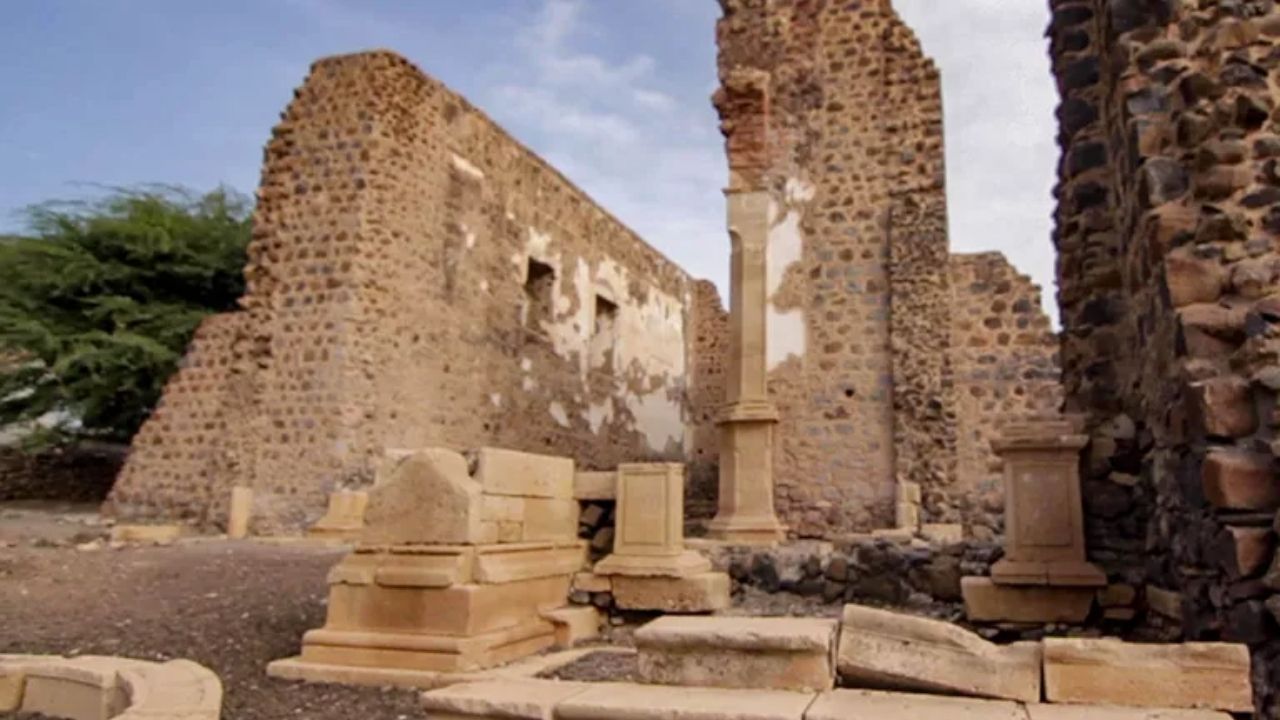
Santiago is the historical heart of Cape Verde and the first island to be settled by the Portuguese in the 15th century. The city of Ribeira Grande, now Cidade Velha, became a major hub of the Atlantic slave trade and one of the earliest European colonial settlements in the tropics. Santiago’s fertile land supported agriculture, making it central to colonial administration and trade. Over time, the island developed a strong Creole culture shaped by African heritage and Portuguese influence, which later fueled Cape Verde’s independence movement.
The History of Fogo Island
Fogo’s history is inseparable from its volcano, Pico do Fogo. Settled in the late 1400s, the island developed a unique economy based on agriculture grown in volcanic soil, especially coffee and wine. Repeated eruptions forced communities to rebuild again and again, reinforcing a culture of resilience. Fogo’s isolation helped preserve strong local traditions, and its people played an important role in Cape Verde’s cultural and political identity.
Table of Contents
The History of São Vicente Island
Unlike older settlements, São Vicente remained largely uninhabited until the 19th century. Its deep natural harbor led to the rise of Mindelo as a coaling and shipping port for transatlantic steamships. This transformed São Vicente into a cosmopolitan center known for music, literature, and political debate. The island became a cultural capital, producing influential artists and intellectuals who shaped modern Cape Verdean identity.
The History of Santo Antão Island
Santo Antão’s rugged mountains delayed permanent settlement, but once communities formed, they adapted through terrace farming and small villages. The island became known for self-sufficiency rather than trade. Its geography preserved traditional lifestyles and agricultural practices that still define the island today. Santo Antão’s history reflects rural endurance and close ties between people and land.
The History of Sal Island
Sal’s name comes from its historic salt mines, which drove its early economy. Although sparsely populated for centuries, salt exports connected Sal to international trade networks. In the 20th century, its flat terrain made it ideal for aviation, leading to the development of major airports. Tourism later replaced salt as the island’s economic engine, reshaping Sal into a modern gateway to Cape Verde.
The History of Boa Vista Island
Boa Vista followed a path similar to Sal, with salt production and livestock shaping early settlement. Its beaches were once used by pirates and traders navigating Atlantic routes. Over time, isolation kept development slow, preserving traditional communities. In recent decades, tourism brought rapid change, linking Boa Vista’s past of quiet survival to a new global role.
The History of Maio Island
Maio is one of Cape Verde’s most understated islands historically. Early settlers focused on agriculture, salt extraction, and fishing. Limited rainfall and resources prevented large-scale development, keeping the island rural and tightly knit. Maio’s history highlights the quieter side of Cape Verdean life, rooted in subsistence and community cooperation.
The History of Brava Island
Brava, known as the “Island of Flowers,” developed strong ties with the United States through whaling and migration in the 18th and 19th centuries. Many residents traveled abroad while maintaining deep connections to the island. This pattern shaped Brava’s diaspora identity and left lasting cultural links between Cape Verde and North America.
The History of São Nicolau Island
São Nicolau emerged as an intellectual and religious center during the colonial period. Schools and seminaries attracted students from across the archipelago, fostering early nationalist thought. Though less economically dominant, São Nicolau’s contribution to education and political awareness was significant.
The History of the Smaller Islands
Islands such as Santa Luzia, Raso, and Branco were never permanently settled due to harsh conditions and lack of water. Historically used for grazing or navigation, they remain symbols of Cape Verde’s challenging environment and the limits it placed on human settlement.
Conclusion
Each Cape Verde island has its own historical path shaped by geography, trade, migration, and resilience. Together, they form a shared story of survival, cultural blending, and adaptation that continues to define Cape Verde today.

Marta Silva is a travel writer and certified island guide with over twelve years leading small-group tours across Cape Verde. Based in Praia, Cape Verde, her professional background combines on-the-ground guiding, itinerary planning, and hospitality consulting. Her expertise includes island itineraries, public transport logistics, sustainable travel tips, and local culture immersion. Marta authored the practical guidebook “Discovering Santiago” and contributes island guides for regional tourism publications; she has partnered with Cape Verde’s tourism board on community-based tourism initiatives and regular travel-workshops for visiting journalists.