

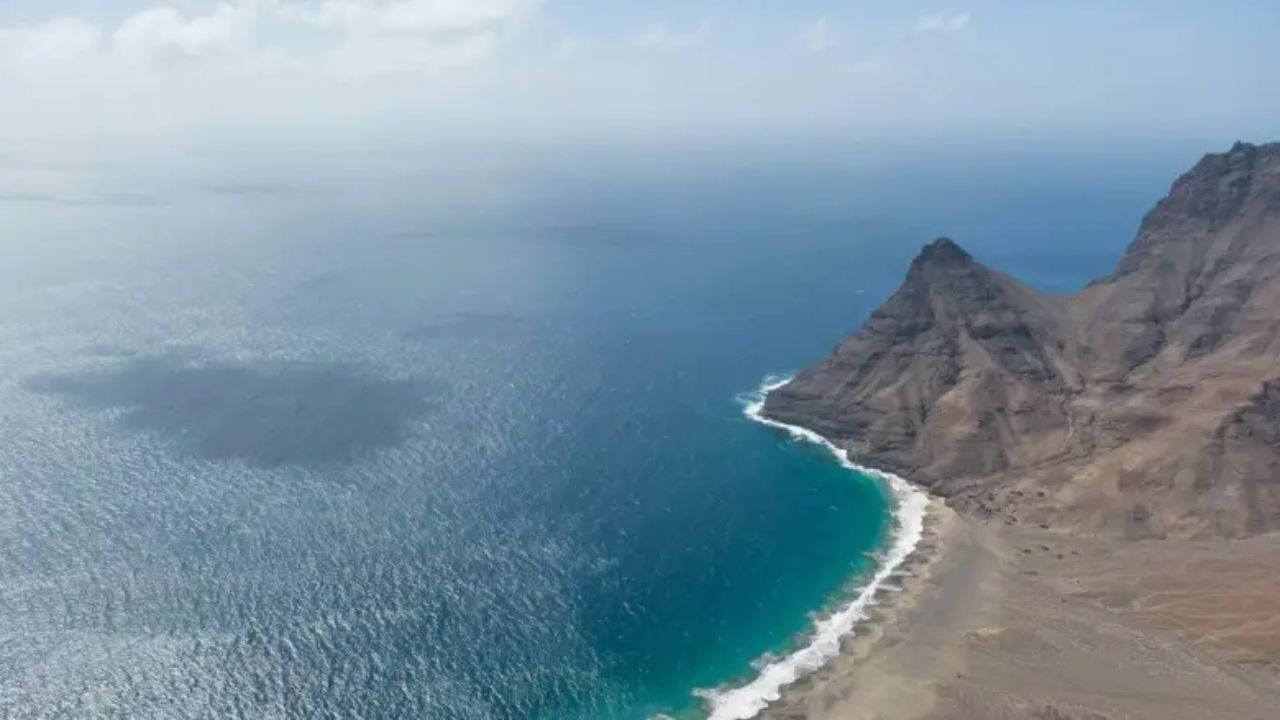
Cape Verde is often cited as one of Africa’s most politically stable nations, especially when compared with several neighboring countries in West Africa. While the region has experienced coups, contested elections, and periods of unrest, Cape Verde has followed a notably different path. Its stability is not accidental; it is the result of historical choices, institutional development, and social structure that have shaped the country since independence.
A Peaceful Transition to Independence
One of the most important reasons Cape Verde remains politically stable is how it achieved independence. Unlike many neighboring countries that emerged from violent liberation wars, Cape Verde gained independence from Portugal in 1975 through a largely peaceful process. The absence of a prolonged armed struggle meant the new state did not inherit powerful militias, warlords, or deeply divided military factions.
Table of Contents
This peaceful transition allowed early leaders to focus on building institutions rather than managing post-war instability. From the start, political competition in Cape Verde developed through negotiation and consensus rather than force.
Strong Democratic Institutions
Cape Verde has consistently invested in democratic governance. Since the introduction of multiparty democracy in 1991, the country has held regular, free, and competitive elections. Power has changed hands multiple times between rival political parties without violence, reinforcing public trust in the system.
Independent courts, a professional civil service, and a relatively non-politicized military have all contributed to institutional continuity. In contrast, some neighboring states have struggled with weak checks and balances, making them more vulnerable to coups or authoritarian rule.
Geographic and Social Factors
Cape Verde’s geography also plays a role in its stability. As an island nation located off the West African coast, it has historically been insulated from cross-border insurgencies and regional conflicts that affect mainland countries. There are no land borders to defend or contest, reducing external security pressures.
Socially, Cape Verde has a relatively small population with fewer ethnic divisions than many neighboring states. While cultural diversity exists, politics is not organized along rigid ethnic or religious lines. This reduces the risk of identity-based political conflict, which has destabilized parts of the region.
Civilian Control of the Military
Another key factor is the clear separation between civilian politics and the armed forces. Since independence, Cape Verde’s military has remained firmly under civilian control and largely absent from political power struggles. This contrasts sharply with parts of West Africa where militaries have repeatedly intervened in governance.
In countries such as Guinea-Bissau, repeated coups have weakened civilian institutions and created cycles of instability. Cape Verde avoided this pattern early on by limiting the political role of the armed forces and professionalizing defense structures.
Economic Governance and Social Investment
While Cape Verde faces economic challenges, particularly related to limited natural resources, its political leadership has generally pursued pragmatic and transparent economic policies. Stable governance has encouraged international partnerships, development aid, and diaspora investment.
Public investment in education, health, and social services has also helped reduce the kind of extreme inequality that often fuels unrest. Although poverty exists, broad access to basic services has strengthened social cohesion and confidence in the state.
Role of the Diaspora and International Ties
The Cape Verdean diaspora, particularly in the United States and Europe, has played a stabilizing role rather than a disruptive one. Remittances support families and local economies, easing economic pressure on the state. At the same time, diaspora communities often reinforce democratic norms through civic engagement and transnational connections.
Cape Verde’s active participation in regional and international organizations, including ECOWAS, has further anchored the country within diplomatic and legal frameworks that discourage unconstitutional changes of government.
Comparison With Regional Neighbors
When compared to neighbors such as Mali or Burkina Faso, the contrast is clear. These countries have faced cycles of military takeovers, insurgencies, and fragile civilian rule, often exacerbated by large territories, border insecurity, and internal divisions.
Cape Verde’s smaller size, island geography, and early commitment to democratic norms reduced exposure to these destabilizing factors. Stability then reinforced itself: predictable politics encouraged development, which in turn reduced incentives for unrest.
Why Stability Has Endured
Political stability in Cape Verde is not based on repression or one-party dominance. Instead, it rests on legitimacy, institutional strength, and public participation. Citizens expect elections to matter, courts to function, and leaders to be accountable.
This long-term consistency has made Cape Verde an exception in its region. While challenges remain, especially economic ones, the foundations of political stability are deeply rooted. Compared to many neighbors, Cape Verde’s experience shows how peaceful independence, strong institutions, and inclusive governance can create durable political stability in West Africa.

Joao Fernandes is a climatologist and historian specializing in Cape Verde’s weather patterns and island history, with fifteen years at the national meteorological institute and university research. Based in Praia, Cape Verde, his professional background blends climate analysis, historical archival research, and public policy advising. His expertise covers seasonal wind and rainfall forecasts, climate resilience for coastal communities, and archival studies of colonial-era records. Joao co-authored the book “Climate and Culture of Cape Verde,” published peer-reviewed papers, and advised municipal planners on weather-informed heritage conservation.