

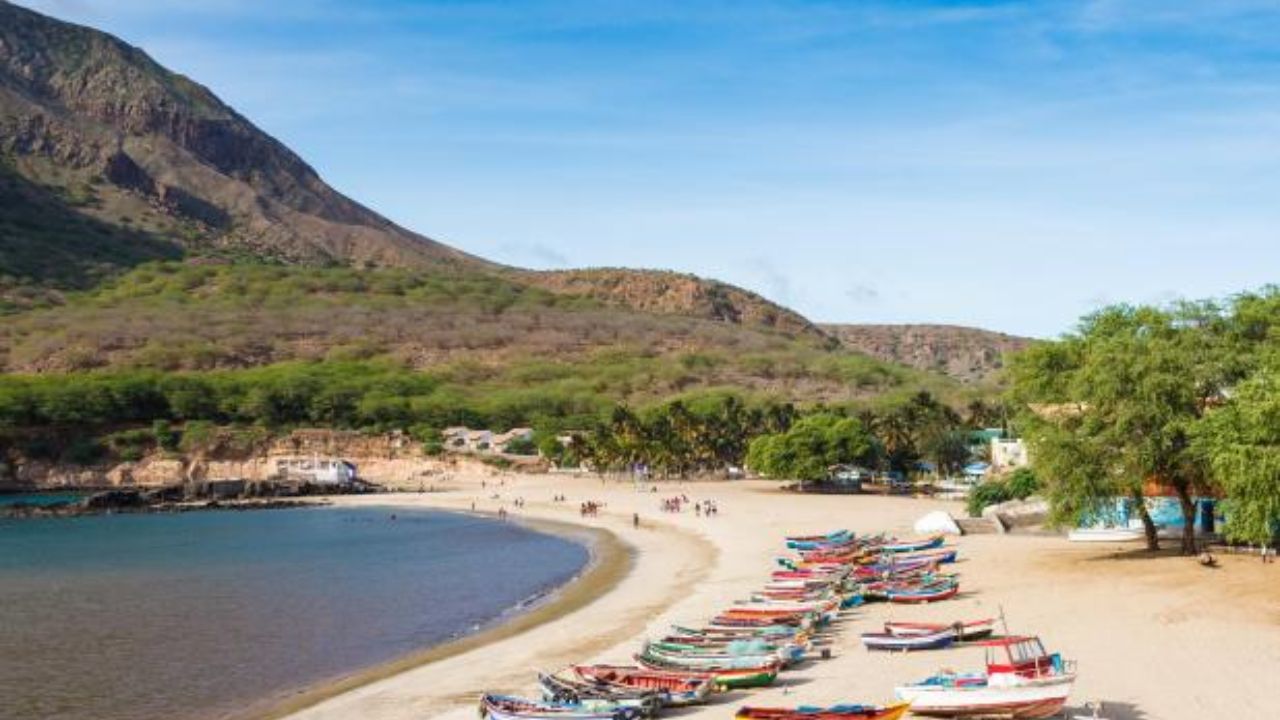
Many travelers arrive in Cape Verde looking for beaches and resorts, but some are searching for something quieter and more grounded: an island that feels lived-in, culturally rich, and genuinely local. “Local” in Cape Verde doesn’t mean unwelcoming or undeveloped. It means daily life comes first, tourism fits around it, and traditions still shape how people live, work, and gather.
So which Cape Verde island feels the most local? The answer depends on what you mean by local life, but one island stands out clearly, with a few strong alternatives depending on your travel style.
Table of Contents
What “Local” Really Means in Cape Verde
Before naming an island, it helps to define what most travelers mean by “local” in the Cape Verdean context.
A local-feeling island usually has:
- Fewer all-inclusive resorts and tour buses
- Towns built around markets, schools, ports, and neighborhoods rather than hotels
- Daily rhythms shaped by work, music, religion, and family life
- Food, language, and customs that aren’t adapted mainly for tourists
In Cape Verde, every island has local culture, but the intensity of tourism varies a lot.
Santiago: The Most Local-Feeling Island Overall
For most travelers, Santiago Island feels the most local by a wide margin.
Santiago is the largest and most populated island in the country. It is home to the capital city, Praia, as well as rural villages, farming areas, and historic towns like Cidade Velha. Tourism exists here, but it does not dominate daily life.
In Praia, you’ll see office workers commuting, students filling cafés after school, street vendors selling snacks, and families gathering in the evenings. Outside the city, life becomes even more traditional, with agriculture, fishing, and strong community ties shaping everyday routines.
What makes Santiago feel especially local is that most visitors here are either business travelers, diaspora families, or independent travelers rather than package tourists. Restaurants cater to residents, public transport is used by everyone, and Creole is spoken everywhere.
Santo Antão: Local Life in a Rural Setting
If “local” to you means small villages, agriculture, and slow rhythms, Santo Antão is a close second.
Santo Antão is known for dramatic mountains and hiking trails, but behind the scenery is a deeply rooted rural culture. Many residents live in farming communities where terraced fields, livestock, and family-run homes define daily life.
Tourism here is mostly small-scale and centered around guesthouses and local guides. Visitors often eat what locals eat, walk the same paths residents use, and stay in villages rather than resort zones.
The island feels very authentic, but it is quieter and more isolated. If you want cultural immersion through nature and village life rather than urban energy, Santo Antão delivers that experience strongly.
São Vicente: Local Culture with a Creative Pulse
São Vicente, especially the city of Mindelo, offers a different kind of local feel.
Mindelo is cultural, musical, and expressive. It has cafés, live music, art spaces, and a strong sense of identity tied to Cape Verdean music and intellectual life. Tourism exists, but it blends naturally into the city’s social scene rather than overwhelming it.
This island feels local in an urban, cultural sense. You’ll interact easily with residents, hear live music nightly, and see daily life happening openly in public spaces. It’s more polished than Santiago’s rural areas, but still far from resort-focused.
Why Sal and Boa Vista Feel Less Local
By comparison, Sal and Boa Vista feel less local for most travelers.
These islands are heavily oriented toward tourism, especially all-inclusive resorts. While local communities absolutely exist there, visitors often interact mainly with hotel staff and curated tourist areas. It’s harder to observe everyday life or feel part of the local rhythm unless you make a deliberate effort to leave resort zones.
Final Answer: Which Island Feels Most Local?
If you want the most authentic, everyday Cape Verdean experience, Santiago Island is the clearest answer. It shows the country as it truly functions, beyond tourism.
If you prefer quiet village life and nature-driven traditions, Santo Antão may feel even more local to you. If culture, music, and social life matter most, São Vicente strikes a beautiful balance.
The good news is that Cape Verde rewards travelers who look beyond the beach. The more time you spend walking neighborhoods, using local transport, and listening to everyday conversations, the more local any island can feel.

Marta Silva is a travel writer and certified island guide with over twelve years leading small-group tours across Cape Verde. Based in Praia, Cape Verde, her professional background combines on-the-ground guiding, itinerary planning, and hospitality consulting. Her expertise includes island itineraries, public transport logistics, sustainable travel tips, and local culture immersion. Marta authored the practical guidebook “Discovering Santiago” and contributes island guides for regional tourism publications; she has partnered with Cape Verde’s tourism board on community-based tourism initiatives and regular travel-workshops for visiting journalists.