

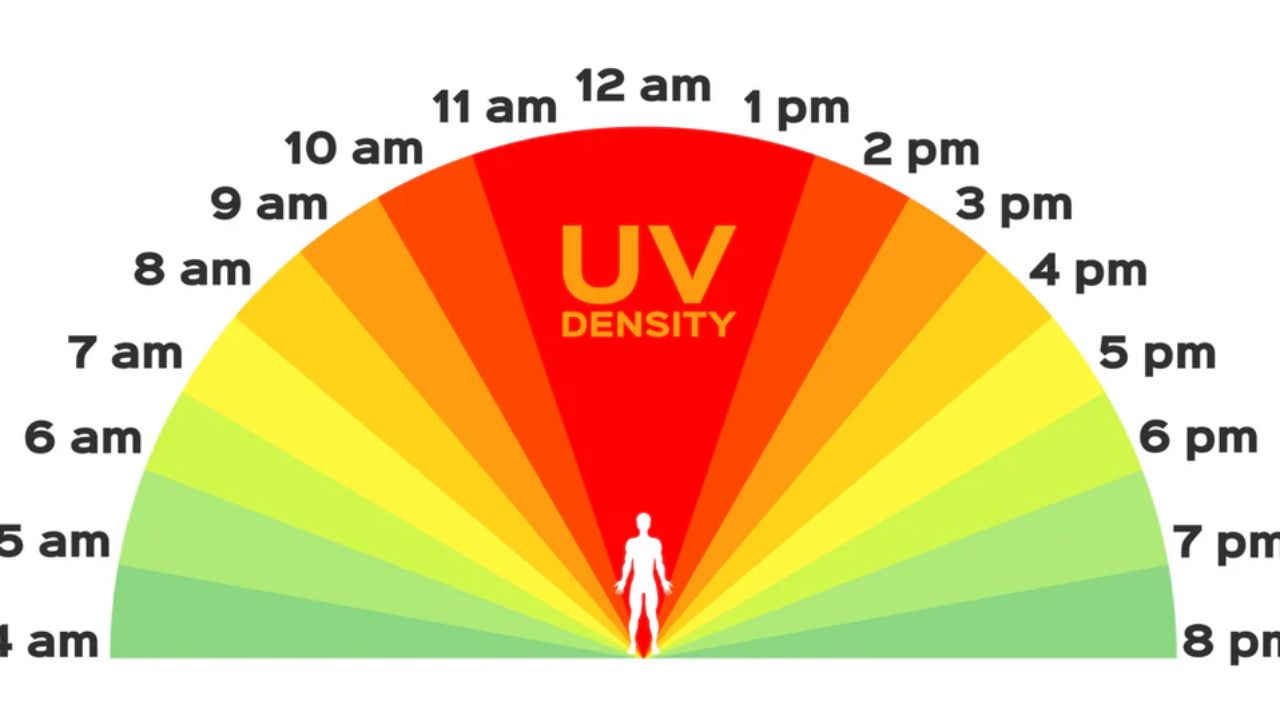
Cape Verde is known for its year-round sunshine, clear skies, and Atlantic beaches. While that makes the islands perfect for beach holidays and outdoor adventures, it also means UV levels can be high throughout the year. Understanding the UV Index in Cape Verde helps travelers protect their skin, avoid sunburn, and enjoy their trip safely.
Because the archipelago lies close to the equator and experiences minimal cloud cover for much of the year, ultraviolet radiation remains strong even when temperatures feel mild. Many visitors underestimate this and end up with sunburn during their first days on the islands.
Table of Contents
What Is the UV Index?
The UV Index measures the strength of ultraviolet radiation from the sun on a scale that typically ranges from 0 to 11+. The higher the number, the greater the risk of skin and eye damage.
Here is a simplified breakdown:
- 0–2: Low
- 3–5: Moderate
- 6–7: High
- 8–10: Very High
- 11+: Extreme
In Cape Verde, the UV Index frequently reaches 8 to 11, especially between late morning and mid-afternoon. Even during cooler months, UV radiation can remain in the “Very High” category.
Why UV Levels Are High in Cape Verde
Several geographic and climate factors contribute to strong UV exposure:
Proximity to the Equator
Cape Verde sits at a low latitude, meaning the sun’s rays hit more directly compared to northern regions like Europe or the United States.
Clear Skies and Low Rainfall
The islands experience long dry seasons with limited cloud cover. Fewer clouds mean less natural filtering of UV radiation.
Reflective Surfaces
White sand beaches and ocean water reflect sunlight, increasing total UV exposure. This reflection can intensify the effect on your skin without you noticing immediately.
Trade Winds
Cooling Atlantic trade winds can make the temperature feel comfortable. However, wind does not reduce UV radiation, which often leads travelers to stay in the sun longer than they should.
UV Index by Season
Cape Verde has a warm climate year-round, but UV levels vary slightly by season.
November to June (Dry Season)
Skies are typically clear, and UV levels are consistently high. Even when temperatures are mild in winter months, the UV Index can remain in the 7–9 range.
July to October (Warmer Period)
Temperatures rise, and occasional humidity increases. UV levels frequently reach 9–11, especially around midday.
There is no “low UV season” in Cape Verde. Sun protection is necessary at all times of the year.
Best Times of Day to Avoid Strong UV
The sun is strongest between 11:00 a.m. and 3:00 p.m. During this window, UV radiation peaks and skin damage can happen quickly, particularly for fair-skinned travelers.
If you plan beach time, hiking, or city walks:
- Schedule longer outdoor activities in early morning or late afternoon.
- Take shade breaks around midday.
- Reapply sunscreen more frequently during peak hours.
Even short exposure during peak UV hours can lead to sunburn within 15–30 minutes, depending on skin type.
How to Protect Yourself from High UV Levels
Proper sun protection in Cape Verde goes beyond simply applying sunscreen once.
Use Broad-Spectrum Sunscreen
Choose SPF 30 or higher. Apply 20–30 minutes before sun exposure and reapply every two hours, especially after swimming.
Wear Protective Clothing
Lightweight long-sleeved shirts, UV-protective fabrics, and wide-brim hats provide strong physical barriers against radiation.
Protect Your Eyes
UV exposure can damage eyes as well as skin. Wear sunglasses labeled with 100% UV protection.
Seek Natural Shade
Beach umbrellas, palm trees, and covered terraces significantly reduce direct exposure.
Stay Hydrated
While hydration does not reduce UV exposure, it helps your body cope with heat and sun stress.
UV Risks for Different Skin Types
People with fair or light skin burn more quickly, but darker skin tones are not immune to UV damage. Prolonged exposure increases long-term risks for everyone, including premature skin aging and increased skin cancer risk.
Visitors from northern climates often experience stronger reactions during their first few days. It is common to underestimate UV levels because the breeze feels cool or the temperature seems comfortable.
UV Exposure During Water Activities
Swimming, surfing, and boat trips increase UV exposure. Water reflects sunlight upward, and wet skin burns faster than dry skin.
When planning ocean activities:
- Apply water-resistant sunscreen.
- Wear rash guards or swim shirts for extended sessions.
- Reapply sunscreen immediately after towel drying.
Boat excursions can be particularly intense because of reflection from both water and deck surfaces.
Special Considerations for Children
Children are more sensitive to UV radiation and can burn quickly. Protective swimwear, hats, and frequent shade breaks are essential. Sunscreen should be reapplied regularly, especially during beach days.
Parents visiting Cape Verde should treat sun protection as a daily routine, not just a beach-only precaution.
Monitoring the UV Index Before You Travel
Before heading out each day, check local weather forecasts for the UV Index. Many weather apps and meteorological services include daily UV readings alongside temperature and wind conditions.
By staying aware of the UV Index in Cape Verde, you can plan safer outdoor activities without limiting your experience.
Final Thoughts on Sun Safety in Cape Verde
Cape Verde’s sunshine is one of its greatest attractions, but it requires preparation. High UV levels are common year-round due to geographic location, clear skies, and reflective beaches.
With consistent sunscreen use, protective clothing, shade breaks, and smart scheduling of outdoor activities, visitors can enjoy the islands safely. Understanding the UV Index ensures that your memories of Cape Verde include sunsets and ocean views—not painful sunburn.

Joao Fernandes is a climatologist and historian specializing in Cape Verde’s weather patterns and island history, with fifteen years at the national meteorological institute and university research. Based in Praia, Cape Verde, his professional background blends climate analysis, historical archival research, and public policy advising. His expertise covers seasonal wind and rainfall forecasts, climate resilience for coastal communities, and archival studies of colonial-era records. Joao co-authored the book “Climate and Culture of Cape Verde,” published peer-reviewed papers, and advised municipal planners on weather-informed heritage conservation.