

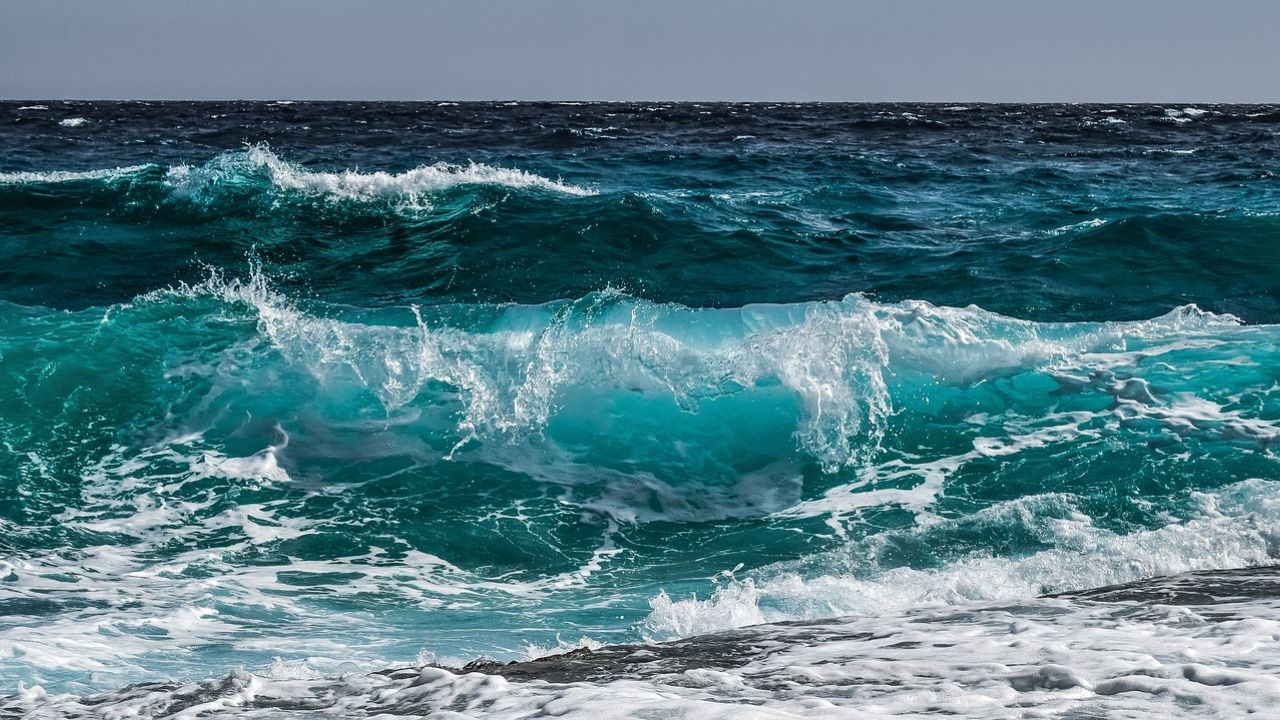
Cape Verde sits in the open Atlantic Ocean, which means the islands are regularly influenced by long-distance ocean swells. Unlike small, local wind waves, swells are generated by storms far away and can travel thousands of miles before reaching the archipelago.
For travelers, this means wave conditions can change even when the local weather looks calm. You might see clear skies and light wind, yet still experience strong rolling waves along exposed coastlines. Islands like Sal and Boa Vista are especially known for consistent swells, which attract surfers and kiteboarders year-round.
Table of Contents
Swells are generally stronger along west- and north-facing beaches. Sheltered bays, however, may remain relatively calm depending on wind direction and coastal shape.
Why Currents Matter More Than You Think
Ocean currents are moving bodies of water that flow along and around the islands. In Cape Verde, these currents are influenced by Atlantic circulation patterns, trade winds, and underwater terrain.
For visitors, currents are often more important than wave height. A beach with moderate waves can still have strong lateral (sideways) currents that pull swimmers away from their starting point. This is especially true on open beaches without protective reefs.
Rip currents, though not constant, can occur on certain beaches when waves push water toward shore and it funnels back out to sea through narrow channels. These currents can feel sudden and powerful.
The key takeaway: calm appearance does not always mean calm water movement.
Seasonal Swell Patterns
Cape Verde’s ocean conditions vary by season, though the islands maintain relatively stable water temperatures throughout the year.
From November through March, larger Atlantic swells are more common. This is peak season for surfers because distant North Atlantic storms generate powerful wave energy that reaches the islands.
From May through September, conditions are often more moderate, though trade winds can increase surface chop, especially on eastern shores. These winds are also what make Cape Verde one of the world’s top kiteboarding destinations.
Transitional months can bring mixed conditions, with occasional stronger swell days.
Travelers planning beach swimming should always check local forecasts, not just temperature reports.
Island Differences in Ocean Conditions
Not all Cape Verde islands experience ocean swells and currents the same way. Geography plays a major role.
Sal: Known for wide beaches and exposed Atlantic swells. Popular for surfing and water sports, but some beaches can have strong currents on windy days.
Boa Vista: Features long, open shorelines. Swell energy can be powerful, especially along the western coast.
Santiago: Offers a mix of exposed and sheltered beaches. Some bays provide calmer swimming areas compared to more open islands.
Santo Antão and São Vicente: More mountainous islands where coastal orientation significantly affects wave strength. Certain beaches are scenic but better suited for viewing rather than swimming.
Understanding island orientation helps travelers choose the right beach for their comfort level.
Is It Safe to Swim in Cape Verde?
Swimming is generally safe in designated and well-known tourist beaches, especially near resorts where local knowledge is strong. However, the Atlantic Ocean demands respect.
Many beaches do not have permanent lifeguards. Conditions can shift quickly due to wind or incoming swell changes. If red flags are posted, swimming should be avoided.
If caught in a rip current:
- Do not panic.
- Do not swim directly against the current.
- Swim parallel to the shoreline until free from the pull.
- Then angle back toward the beach.
Travelers unfamiliar with ocean swimming should choose calmer bays or consult local advice before entering the water.
Ocean Temperatures and Comfort Levels
Sea temperatures in Cape Verde typically range between approximately 22°C (72°F) in cooler months and 26°C (79°F) in warmer periods. This makes the water comfortable for most travelers without wetsuits.
However, stronger swells can make entry and exit more challenging, especially for children or inexperienced swimmers. Even when the water feels warm, wave energy can still be significant.
Early mornings often offer calmer surface conditions compared to late afternoons, particularly during windy seasons.
Tips for Beach Safety and Planning
Before heading to the beach, consider these practical steps:
- Check local surf or marine forecasts for swell height and wind direction.
- Observe the water for several minutes before entering.
- Avoid swimming alone on remote beaches.
- Stay within visible, populated areas.
- Ask locals or hotel staff about current conditions.
- Wear reef-safe sunscreen to protect marine life.
For families, selecting beaches known for gentler slopes and natural protection from headlands or reefs is wise.
Respecting the Atlantic Environment
Cape Verde’s ocean is not just a recreational space; it supports fishing communities, marine ecosystems, and tourism livelihoods. Swells shape the coastline, currents influence marine biodiversity, and seasonal patterns affect local economies.
Understanding ocean behavior enhances both safety and appreciation. Travelers who respect conditions, avoid risky behavior, and stay informed can fully enjoy Cape Verde’s dramatic Atlantic setting.
The islands offer stunning beaches, warm waters, and world-class wave conditions—but the Atlantic is powerful. Awareness is the best preparation.
By learning how swells and currents work, visitors can choose beaches wisely, plan activities confidently, and experience Cape Verde’s coastline with both excitement and caution.

Joao Fernandes is a climatologist and historian specializing in Cape Verde’s weather patterns and island history, with fifteen years at the national meteorological institute and university research. Based in Praia, Cape Verde, his professional background blends climate analysis, historical archival research, and public policy advising. His expertise covers seasonal wind and rainfall forecasts, climate resilience for coastal communities, and archival studies of colonial-era records. Joao co-authored the book “Climate and Culture of Cape Verde,” published peer-reviewed papers, and advised municipal planners on weather-informed heritage conservation.