

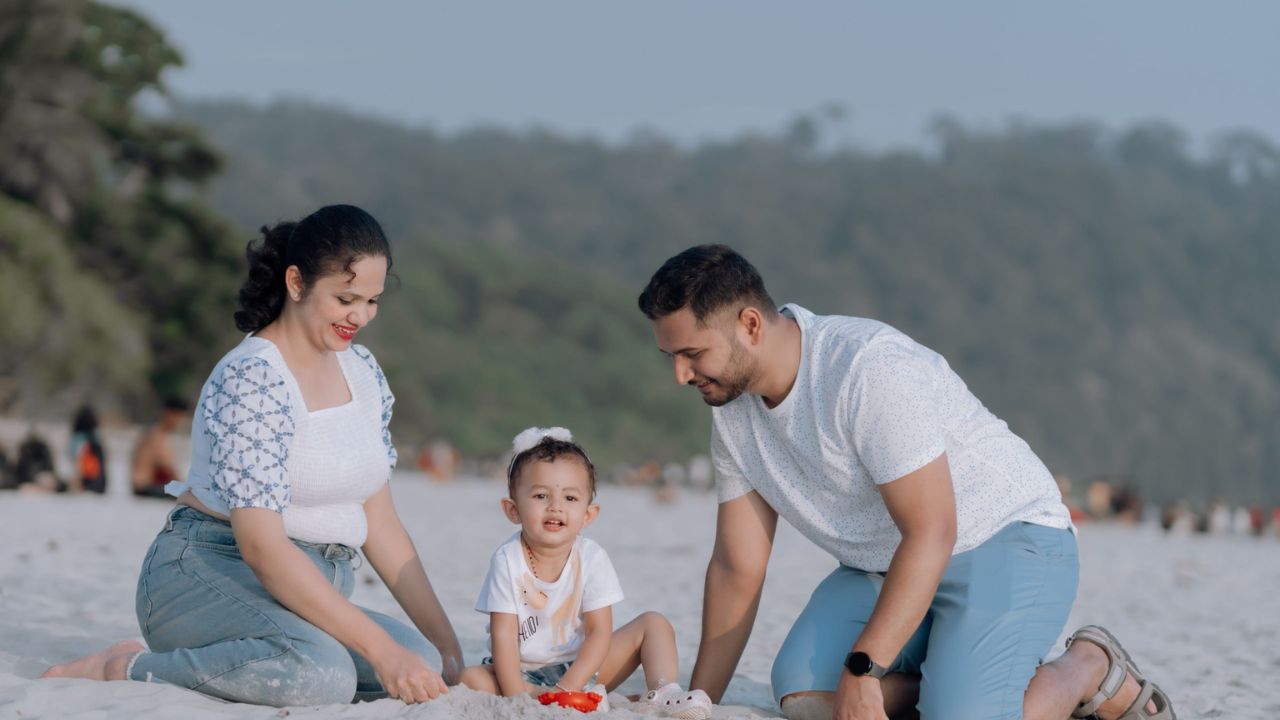
Traveling between islands in Cape Verde can be a rewarding experience, but it requires extra planning when you’re traveling with young children or elderly family members. Inter-island journeys often involve flights, ferries, waiting time, and variable weather, all of which can feel more challenging for families. With the right preparation, however, island-hopping can still be comfortable, safe, and enjoyable.
This guide focuses on practical, family-friendly advice to help you move between islands smoothly while minimizing stress.
Table of Contents
Choosing Between Flights and Ferries
Cape Verde’s islands are connected mainly by domestic flights and ferries. For families with kids or elderly travelers, flights are usually the easier option. They are faster, more predictable, and less physically demanding than sea travel.
Ferries can be suitable for short routes, but they may involve long boarding times, crowded seating, and rough seas during windy months. For older travelers with joint issues or children prone to motion sickness, flights are generally more comfortable, even if they cost more.
When booking, try to choose the earliest flight or ferry of the day, as delays are less common in the morning.
Planning Around Weather and Sea Conditions
Weather plays a major role in inter-island travel. Strong trade winds and seasonal swells can affect ferry schedules and comfort, especially between December and March.
If you’re traveling with elderly family members, it’s wise to avoid ferry routes during peak windy periods. Flights are less affected by sea conditions, though weather can still cause delays. Always allow buffer days in your itinerary so missed connections do not disrupt hotel bookings or onward travel.
Managing Airports and Ports With Family Members
Airports and ferry terminals in Cape Verde are generally small and manageable, but services can be limited. Seating may be basic, and air conditioning is not always strong.
For kids, bring snacks, water, and small entertainment items, as shops may be limited. For elderly travelers, consider bringing portable seating support, medication, and documents in an easy-to-reach bag.
Arrive early to avoid rushing, especially when assistance may be needed for boarding.
Handling Luggage and Mobility Needs
Traveling light makes island-hopping much easier. Many family challenges come from heavy or bulky luggage, especially when stairs or walking distances are involved.
If traveling with elderly relatives, use suitcases with wheels and avoid oversized bags. When possible, choose accommodations that help arrange luggage transfers or taxis at arrival points. For children, backpacks instead of rolling bags are often easier on uneven surfaces.
Food, Rest, and Comfort During Transfers
Meal timing is important when traveling with kids or older adults. Flights and ferries may not offer food service, and travel delays can extend waiting times.
Carry easy-to-digest snacks, water, and any special dietary items. Encourage rest before travel days and avoid scheduling long excursions immediately after inter-island transfers. A relaxed first day on the new island helps everyone recover and adjust.
Health, Safety, and Travel Insurance
Basic healthcare is available on all main islands, but facilities are limited on smaller ones. When traveling with elderly family members, ensure prescriptions are filled in advance and carry copies of medical documents.
Travel insurance that covers inter-island flights, ferry disruptions, and medical needs is highly recommended. For children, pack sun protection, hydration supplies, and motion-sickness remedies if using ferries.
Choosing Family-Friendly Routes and Islands
Not all island routes are equally suitable for families. Islands with regular flight connections, better hospitals, and calmer infrastructure tend to be easier for kids and seniors.
If your trip includes multiple islands, balance busy travel days with longer stays in one place. Fewer moves often mean a more enjoyable experience for everyone.
Final Thoughts
Traveling between Cape Verde’s islands with kids or elderly family members is entirely doable with thoughtful planning. Prioritizing flights over ferries, allowing extra time, packing smartly, and respecting weather conditions can make a big difference.
Island-hopping does not need to be rushed. A slower pace, flexible schedule, and comfort-first mindset will help your family enjoy the beauty, culture, and warmth of Cape Verde without unnecessary stress.

Joao Fernandes is a climatologist and historian specializing in Cape Verde’s weather patterns and island history, with fifteen years at the national meteorological institute and university research. Based in Praia, Cape Verde, his professional background blends climate analysis, historical archival research, and public policy advising. His expertise covers seasonal wind and rainfall forecasts, climate resilience for coastal communities, and archival studies of colonial-era records. Joao co-authored the book “Climate and Culture of Cape Verde,” published peer-reviewed papers, and advised municipal planners on weather-informed heritage conservation.