

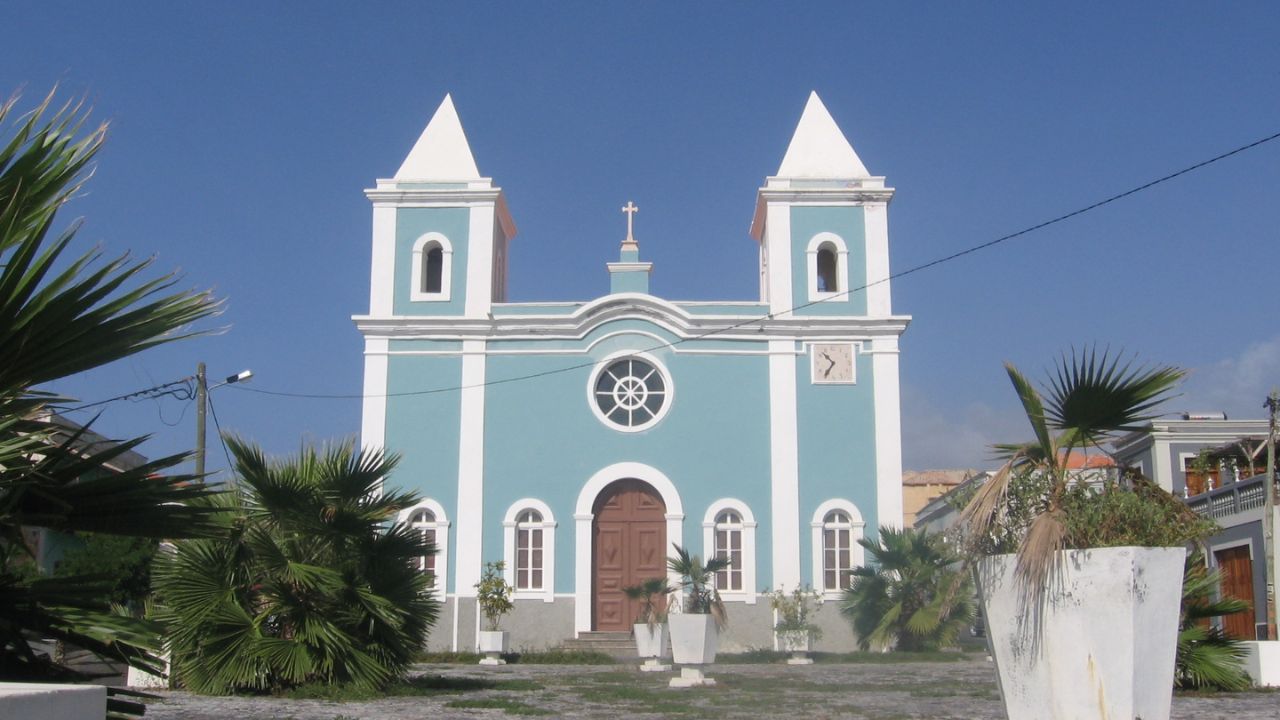
Religion has played a significant role in shaping Cape Verde’s social structure, cultural identity, and historical development. From the arrival of Portuguese settlers in the 15th century to the modern, independent nation that exists today, religious beliefs and institutions have influenced everyday life, governance, education, and community values across the islands. Understanding the role of religion in Cape Verde’s history helps explain how the country developed a unique blend of African and European traditions that still defines Cape Verdean society.
Arrival of Christianity with Portuguese Settlement
Religion in Cape Verde is closely tied to Portuguese colonization. When the uninhabited islands were discovered and settled in the mid-1400s, Portuguese settlers brought Roman Catholicism with them. The Catholic Church quickly became one of the most powerful institutions in the archipelago, closely linked to colonial administration and social organization.
Table of Contents
Churches were among the first permanent structures built on the islands, especially on Santiago, the earliest and most important settlement. Missionaries played a central role in spreading Christianity, not only among European settlers but also among enslaved Africans brought to Cape Verde through the Atlantic slave trade. Over time, Catholicism became deeply embedded in island life, shaping moral values, festivals, and family traditions.
Religion and the Atlantic Slave Trade
Cape Verde’s position as a major hub in the Atlantic slave trade had a profound impact on its religious history. Enslaved Africans arrived with diverse spiritual beliefs and religious practices rooted in West African traditions. While colonial authorities and the Church promoted Catholic conversion, African religious elements were never entirely erased.
Instead, many beliefs blended with Catholic practices, creating forms of religious expression that were uniquely Cape Verdean. This process of cultural and religious mixing influenced music, rituals, and community celebrations. Religion became both a tool of control under colonial rule and a space where enslaved and free populations preserved elements of their heritage.
The Catholic Church and Colonial Power
Throughout the colonial period, the Catholic Church held significant influence over education, social norms, and political authority. Clergy often acted as intermediaries between colonial officials and local populations. Religious instruction was central to schooling, and church records became vital for documenting births, marriages, and deaths.
At the same time, access to religious authority often reflected social hierarchies. European settlers and elites held privileged positions within the Church, while African and mixed-heritage populations were largely followers rather than leaders. Despite this imbalance, religion also provided a sense of community and continuity in a society shaped by migration, trade, and hardship.
Religious Life After Abolition of Slavery
The abolition of slavery in the 19th century brought social change but did not weaken the influence of religion. Catholicism remained the dominant faith, guiding moral life and community organization. Churches continued to host major life events and seasonal festivals, reinforcing shared values across social classes.
During this period, religion also played a role in social support. In times of drought, famine, and emigration, churches often served as centers of aid, charity, and collective resilience. Faith offered hope and structure in an environment marked by economic instability and frequent environmental challenges.
Religion and the Independence Movement
As Cape Verde moved toward independence in the 20th century, religion maintained an important but more complex role. While the Catholic Church was historically associated with colonial authority, many religious leaders began supporting social justice, education, and community development.
Religious institutions contributed to literacy and moral education, which indirectly supported political awareness. After independence in 1975, the new nation adopted a secular state structure, separating religion from government. However, this separation did not diminish the cultural importance of religion in everyday life.
Religious Diversity in Modern Cape Verde
Although Roman Catholicism remains the majority faith, modern Cape Verde is religiously diverse. Protestant denominations, Evangelical churches, and other Christian movements expanded during the late 20th century. Small Muslim and other religious communities also exist, reflecting migration and globalization.
This diversity has generally developed peacefully, with religious tolerance becoming a defining feature of Cape Verdean society. Religious freedom is protected, and faith communities often coexist within shared neighborhoods and families.
Religion as a Cultural and Social Force Today
Today, religion in Cape Verde functions less as a political force and more as a cultural and social anchor. Religious festivals, saints’ days, and church-centered events continue to shape community life. Even among those who are less formally religious, traditions rooted in faith remain central to identity and social cohesion.
Religion also continues to influence music, language, and values, reinforcing themes of resilience, solidarity, and respect. In this way, religion remains woven into Cape Verde’s history not just as belief, but as a living cultural framework.
Conclusion
The role of religion in Cape Verde’s history is deeply connected to colonization, slavery, cultural blending, and national development. From its introduction through Portuguese settlement to its modern expression in a diverse and tolerant society, religion has shaped how Cape Verdeans understand community, heritage, and identity. Studying this history offers valuable insight into how faith helped mold a nation defined by adaptation, resilience, and cultural fusion.

Joao Fernandes is a climatologist and historian specializing in Cape Verde’s weather patterns and island history, with fifteen years at the national meteorological institute and university research. Based in Praia, Cape Verde, his professional background blends climate analysis, historical archival research, and public policy advising. His expertise covers seasonal wind and rainfall forecasts, climate resilience for coastal communities, and archival studies of colonial-era records. Joao co-authored the book “Climate and Culture of Cape Verde,” published peer-reviewed papers, and advised municipal planners on weather-informed heritage conservation.