

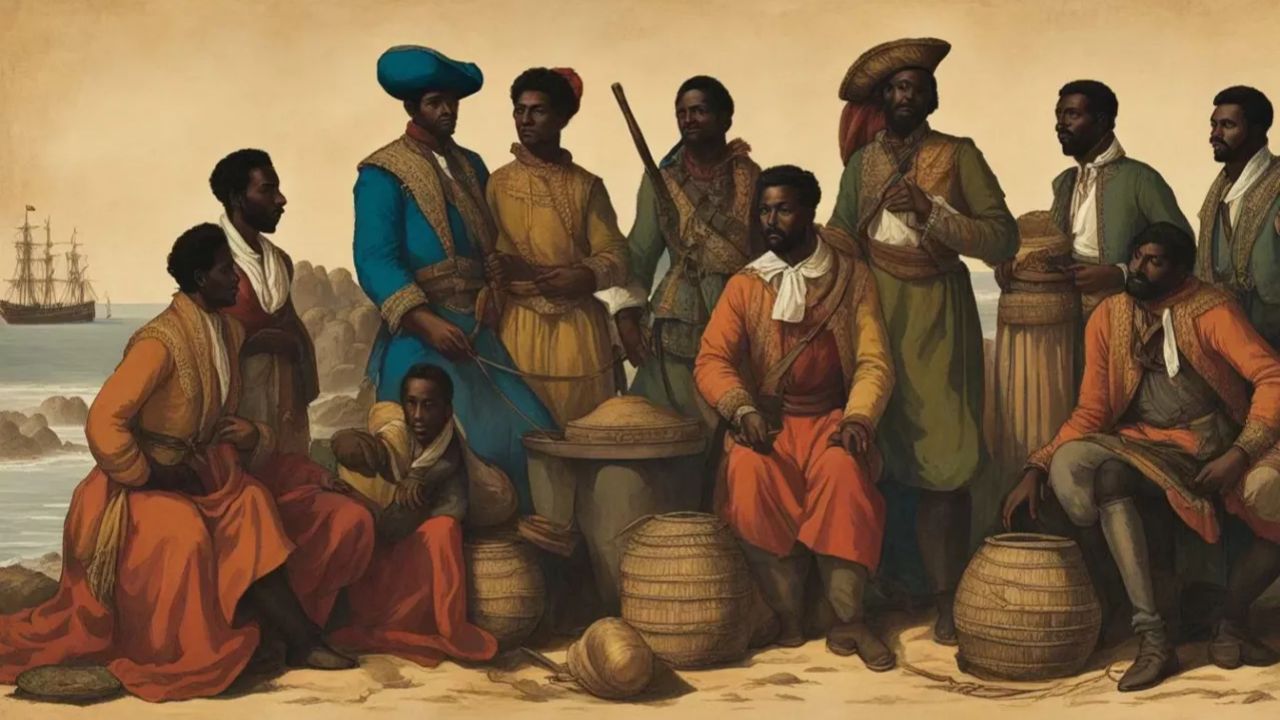
Cape Verdean identity is the result of centuries of movement, adaptation, and cultural exchange across the Atlantic world. Shaped by geography, colonial history, forced migration, and voluntary diaspora, Cape Verde’s identity is neither purely African nor European but distinctly its own. Understanding how Cape Verdean identity evolved helps explain the nation’s language, music, social values, and global outlook today.
Origins of a Creole Society
Cape Verde was uninhabited before the arrival of Portuguese explorers in the mid-15th century. The islands quickly became a strategic hub in the Atlantic trade network, including the transatlantic slave trade. Enslaved Africans from different regions were brought to the islands, where they interacted with European settlers under harsh colonial conditions.
Table of Contents
From this encounter emerged a Creole society. Cultural practices, food traditions, belief systems, and social structures blended over time. The lack of a single dominant African ethnic group and the islands’ isolation accelerated cultural mixing, leading to a shared identity rooted in survival and adaptation rather than lineage alone.
Language as Identity: The Rise of Kriolu
Language plays a central role in Cape Verdean identity. Cape Verdean Kriolu developed organically as a communication bridge between Africans and Europeans. Over generations, it became the primary language of everyday life, carrying emotional expression, humor, and oral history.
While Portuguese remained the official language of administration and education, Kriolu became the true cultural language of the people. Different islands developed their own variants, reinforcing both national unity and local identity. Today, debates around the formal recognition of Kriolu reflect broader discussions about cultural pride and post-colonial self-definition.
The Maritime Mentality and Migration
Life on dry, resource-limited islands shaped a mindset centered on resilience and outward movement. Droughts, famines, and economic hardship forced generations of Cape Verdeans to migrate in search of opportunity. Sailing, trade, and later labor migration became defining elements of identity.
This maritime mentality fostered adaptability and openness to the world. Migration was not seen as abandonment of home but as an extension of it. Family networks stretched across oceans, reinforcing a sense of belonging that transcended geography.
Colonial Rule and Cultural Awareness
Under Portuguese colonial rule, Cape Verde occupied a unique position. Compared to other colonies, the islands had higher literacy rates and closer cultural ties to Europe, but political power remained limited. This contradiction shaped a growing awareness of inequality and cultural distinction.
Intellectuals, writers, and musicians began articulating Cape Verdean identity more consciously in the 20th century. Literature and poetry explored themes of longing, exile, and connection to the land, helping define a shared national narrative rooted in both hardship and creativity.
Independence and National Identity
Cape Verde gained independence in 1975, marking a turning point in identity formation. Nationhood brought new emphasis on unity, cultural preservation, and self-determination. Symbols such as the flag, national anthem, and education reforms reinforced a collective sense of belonging.
Post-independence identity balanced pride in Creole heritage with global engagement. Rather than rejecting external influences, Cape Verde embraced its hybrid nature, positioning itself as a bridge between Africa, Europe, and the Americas.
The Diaspora’s Influence
Today, more Cape Verdeans live abroad than on the islands themselves. Communities in the United States, Europe, and elsewhere play a major role in shaping modern identity. Diaspora remittances support families, while cultural traditions are preserved and reinterpreted abroad.
Music, food, and festivals evolved within diaspora spaces, influencing culture back home. This constant exchange reinforces the idea that Cape Verdean identity is dynamic, global, and adaptable rather than fixed.
Modern Cape Verdean Identity
Modern Cape Verdean identity blends tradition with change. Younger generations navigate global culture while maintaining strong ties to heritage through language, music, and family values. Identity today is less about location and more about shared memory, cultural expression, and community.
Cape Verde’s story shows that identity can be fluid without being lost. It is shaped by history but continually redefined by movement, creativity, and connection.
Conclusion
The evolution of Cape Verdean identity reflects a journey from uninhabited islands to a globally connected nation. Born from encounter and hardship, strengthened by migration, and sustained through culture, Cape Verdean identity remains resilient and inclusive. It is a living identity—rooted in the past, shaped by the present, and carried forward wherever Cape Verdeans call home.

Joao Fernandes is a climatologist and historian specializing in Cape Verde’s weather patterns and island history, with fifteen years at the national meteorological institute and university research. Based in Praia, Cape Verde, his professional background blends climate analysis, historical archival research, and public policy advising. His expertise covers seasonal wind and rainfall forecasts, climate resilience for coastal communities, and archival studies of colonial-era records. Joao co-authored the book “Climate and Culture of Cape Verde,” published peer-reviewed papers, and advised municipal planners on weather-informed heritage conservation.