

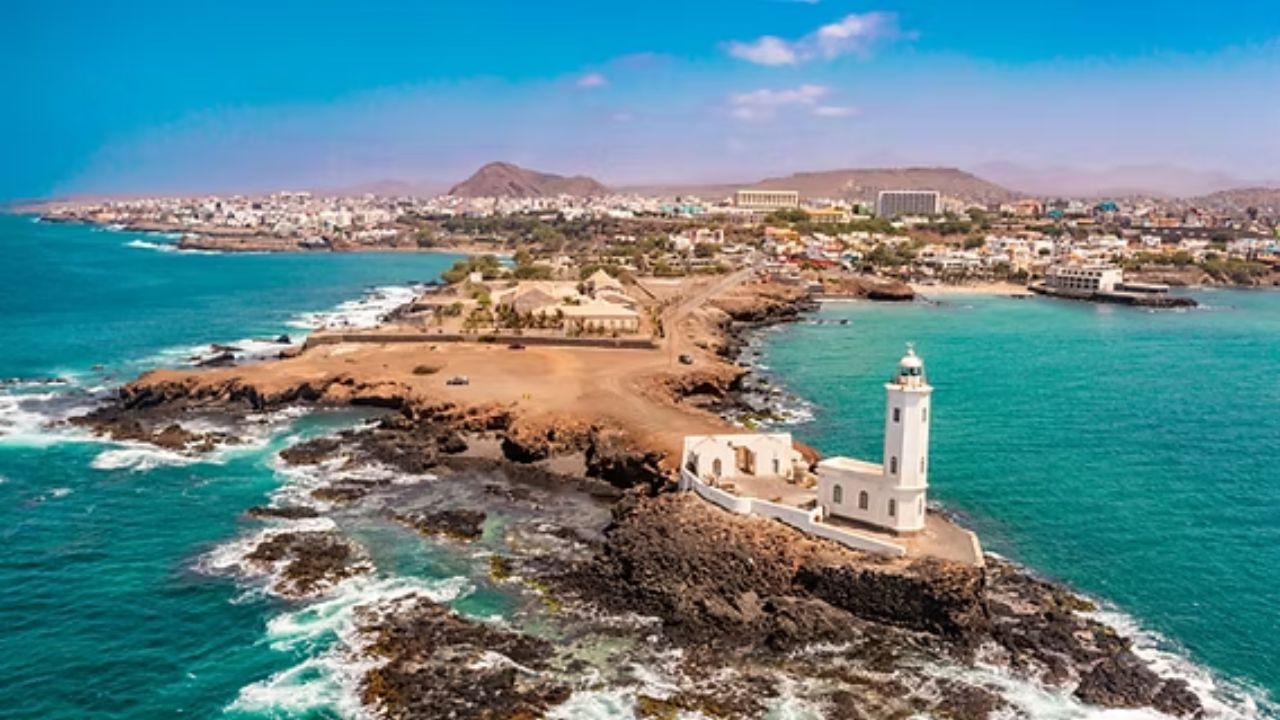
Choosing between Santiago and Sal is one of the most common decisions travelers face when planning a trip to Cape Verde. Both islands offer beautiful scenery and welcoming communities, but the experience on each is very different. Santiago is about culture, history, and everyday island life, while Sal is built around comfort, resorts, and easy tourism. Understanding these differences will help you choose the island that truly matches your travel style.
Overview of Santiago Island
Santiago is the largest and most populous island in Cape Verde. It is the political and cultural heart of the country, home to the capital city Praia and many historic towns and villages. Life on Santiago feels local and lived-in, with busy markets, music-filled streets, and strong African and Creole traditions.
Table of Contents
Travelers who choose Santiago often do so to understand Cape Verde beyond beaches. You will encounter working neighborhoods, farming communities, and historic landmarks that reflect the island’s role in Atlantic trade and colonial history. Santiago is less polished for tourism, but richer in daily life and authenticity.
Overview of Sal Island
Sal is Cape Verde’s most tourism-focused island. It is flat, dry, and famous for long sandy beaches, clear water, and modern resorts. Most visitors arrive through Sal’s international airport and stay in or near Santa Maria, the island’s main resort town.
Sal is designed for ease. Hotels, tours, restaurants, and transport are built around visitor comfort. You can relax by the pool, walk to the beach, and book activities with little planning. For many travelers, Sal feels familiar and stress-free, especially for first-time visitors to Africa.
Culture and Daily Life: Santiago’s Strength
If culture is your priority, Santiago stands out clearly. This is where you’ll hear traditional music styles, see local festivals, and experience Cape Verdean life at a slower, more organic pace. Historic Cidade Velha, a UNESCO World Heritage Site, offers insight into the island’s early colonial period and the Atlantic slave trade.
Food on Santiago is more local and traditional, often served in small family-run restaurants. You’ll find stews, fresh fish, and regional dishes that vary by town. Interaction with residents is more natural, especially outside the capital, and visitors often feel immersed rather than hosted.
Comfort and Convenience: Sal’s Advantage
Sal is ideal if comfort, simplicity, and relaxation matter most. Resorts offer all-inclusive stays, organized excursions, and English-speaking staff. Roads are straightforward, distances are short, and tourist infrastructure is well developed.
Activities on Sal are easy to access. Beach lounging, snorkeling, diving, kite surfing, and boat tours are all readily available. Restaurants cater to international tastes alongside local seafood. If you want a holiday where planning is minimal and comfort is guaranteed, Sal delivers that experience.
Beaches and Natural Scenery
Sal’s beaches are among the best in Cape Verde. Long stretches of white sand, calm turquoise waters, and consistent sunshine make it a classic beach destination. The landscape is stark and desert-like, which some travelers love for its simplicity.
Santiago’s beaches are fewer and less developed, but often quieter. The island’s scenery is more varied, with mountains, valleys, farmland, and coastal cliffs. Hiking, scenic drives, and inland exploration are more rewarding on Santiago than on Sal.
Costs and Practical Considerations
Sal is generally more expensive due to its resort-based economy. Accommodation, dining, and tours are priced for international tourism. Santiago offers a wider range of budgets, from simple guesthouses to mid-range hotels, and local food is often cheaper.
Getting around Santiago can take more time, and basic Portuguese or Creole is helpful. Sal is easier for travelers who rely on English and prefer predictable transport and services.
Which Island Is Right for You?
Choose Santiago if you value culture, history, and a deeper connection with local life. It suits travelers who enjoy exploration, learning, and stepping outside tourist bubbles. Santiago rewards curiosity and patience.
Choose Sal if you want comfort, beaches, and a smooth, relaxing holiday. It is ideal for first-time visitors, families, couples, and anyone looking for sun, sea, and simplicity.
Both islands represent different sides of Cape Verde. Your choice comes down to whether you want to experience the country from the inside out, or enjoy it from a comfortable beachfront base.

Marta Silva is a travel writer and certified island guide with over twelve years leading small-group tours across Cape Verde. Based in Praia, Cape Verde, her professional background combines on-the-ground guiding, itinerary planning, and hospitality consulting. Her expertise includes island itineraries, public transport logistics, sustainable travel tips, and local culture immersion. Marta authored the practical guidebook “Discovering Santiago” and contributes island guides for regional tourism publications; she has partnered with Cape Verde’s tourism board on community-based tourism initiatives and regular travel-workshops for visiting journalists.