

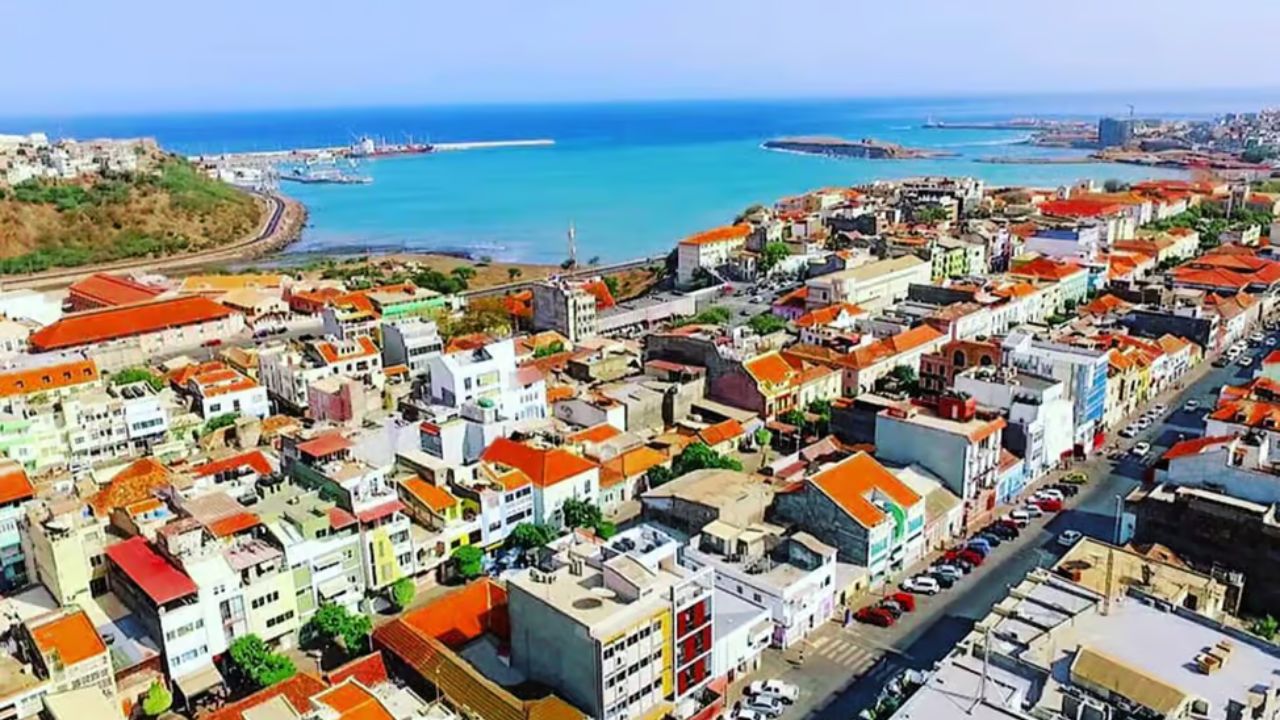
Santiago is the largest and most culturally significant island in Cape Verde. Unlike resort-focused islands such as Sal or Boa Vista, Santiago offers a deeper look into everyday Cape Verdean life, history, and traditions. It is the political heart of the country, home to the capital city, and a place where visitors can experience Cape Verde beyond tourism.
This guide explains Santiago Island’s culture, main cities, and what daily local life is really like, helping travelers understand what to expect before visiting.
Table of Contents
Where Santiago Island Is Located and Why It Matters
Santiago sits in the southern part of the Cape Verde archipelago and plays a central role in the nation’s identity. It was the first island settled by the Portuguese in the 15th century, making it the starting point for Cape Verde’s complex history involving trade, migration, and cultural blending.
Today, Santiago is where government institutions, universities, and major cultural events are concentrated. Many Cape Verdeans from other islands move here for education and work, which gives Santiago a diverse and dynamic population.
Praia: The Capital City and Daily Urban Life
Praia is the capital of Cape Verde and the main city on Santiago Island. It is busy, practical, and very different from the resort towns many tourists expect.
The Plateau district is the administrative and historical center, with government buildings, markets, cafés, and colonial-era architecture. Nearby neighborhoods show a more everyday rhythm of life, with local shops, street food vendors, and public transport hubs.
Praia is where visitors see modern Cape Verdean life—students heading to class, families shopping in local markets, and musicians performing in the evenings. It may feel chaotic at first, but it offers the most authentic view of how people actually live on the islands.
Cidade Velha: Birthplace of Cape Verdean History
Cidade Velha, a short drive from Praia, is one of the most historically important places in Cape Verde. It was the first European colonial outpost in the tropics and played a key role in Atlantic trade routes.
The town is now a UNESCO World Heritage Site, known for landmarks like the old fortress and colonial churches. Despite its global historical importance, Cidade Velha remains a quiet coastal town where fishing, farming, and family life continue much as they have for generations.
Visiting Cidade Velha helps travelers understand how Cape Verde’s past shaped its culture, language, and social structure.
Santiago’s Cultural Identity and Traditions
Santiago is often considered the cultural soul of Cape Verde. The island has strong African roots, especially in music, dance, and oral traditions. Styles such as batuque and tabanka originated here and are still performed at festivals and community events.
The island is also known for its role in preserving Cape Verdean Creole (Kriolu), which is spoken daily alongside Portuguese. In rural areas, traditional customs remain strong, including communal farming, local celebrations, and extended family living.
Food culture on Santiago is simple and deeply tied to local ingredients. Dishes like cachupa are eaten regularly, not just served to tourists, making meals an important part of daily social life.
Rural Santiago and Life Beyond the Cities
Away from Praia, Santiago becomes greener and more rural than most visitors expect. The interior of the island has mountains, valleys, and small farming communities where life moves at a slower pace.
In these areas, agriculture remains central. Families grow corn, beans, and sugarcane, and many rely on seasonal rainfall. Visitors who travel through rural Santiago often notice strong community bonds, where neighbors support one another and traditions are passed down naturally.
This contrast between urban Praia and rural villages is one of the island’s defining features.
What Travelers Should Expect When Visiting Santiago
Santiago is not a polished resort destination. Infrastructure can be uneven, and tourism services are less developed than on beach-focused islands. However, travelers who come with an open mind are rewarded with meaningful cultural experiences.
Public transport is widely used, local markets are active, and interactions with residents are usually warm and direct. Santiago appeals most to travelers interested in history, culture, and real-life experiences rather than luxury or nightlife.
Is Santiago Island Right for You?
Santiago is ideal for travelers who want to understand Cape Verde, not just visit it. It suits cultural explorers, students, heritage travelers, and members of the diaspora reconnecting with their roots.
If your priority is beach resorts and leisure, other islands may be a better fit. But if you want to see how Cape Verde functions day to day, Santiago offers the most complete picture of the country’s culture, cities, and local life.

Marta Silva is a travel writer and certified island guide with over twelve years leading small-group tours across Cape Verde. Based in Praia, Cape Verde, her professional background combines on-the-ground guiding, itinerary planning, and hospitality consulting. Her expertise includes island itineraries, public transport logistics, sustainable travel tips, and local culture immersion. Marta authored the practical guidebook “Discovering Santiago” and contributes island guides for regional tourism publications; she has partnered with Cape Verde’s tourism board on community-based tourism initiatives and regular travel-workshops for visiting journalists.