

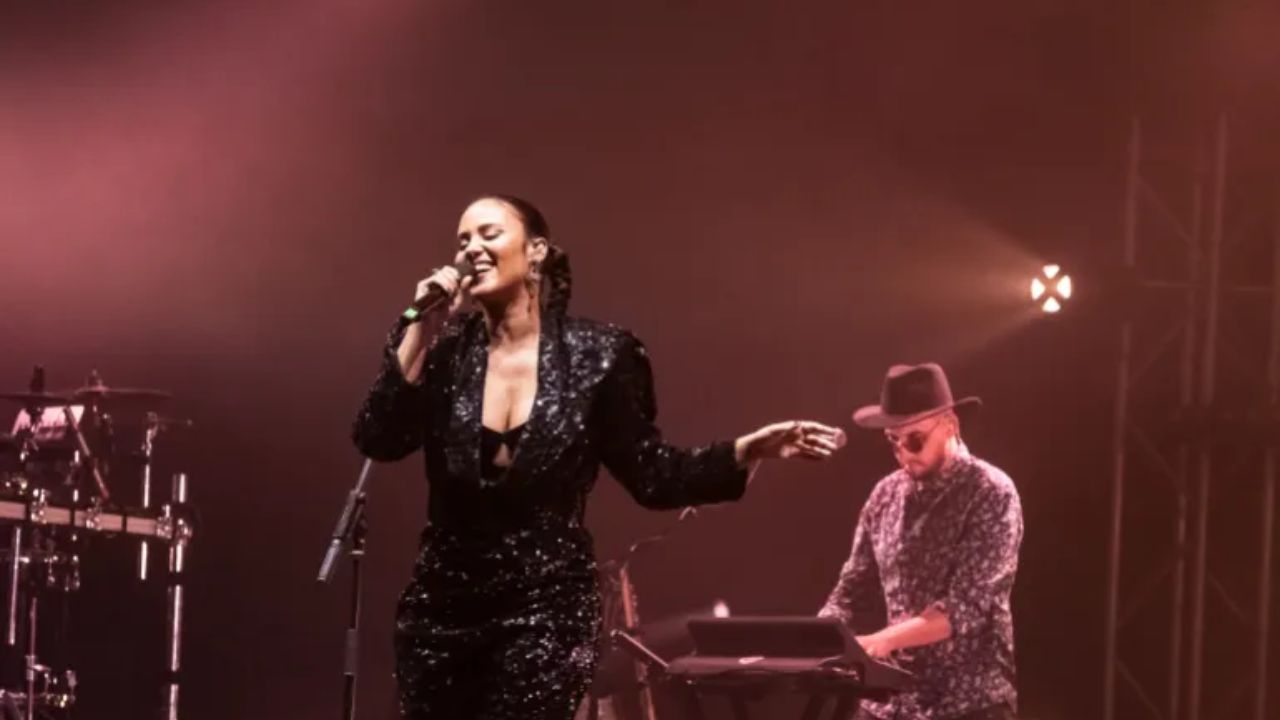
Cape Verde’s music is more than entertainment. It is a living record of migration, hardship, resilience, and identity shaped by centuries of movement across the Atlantic. From slow, melancholic melodies to energetic dance rhythms, Cape Verdean music reflects the islands’ history of discovery, colonial rule, forced and voluntary migration, and cultural blending. To understand Cape Verde’s past, one must listen closely to its music.
The Islands and the Birth of a Creole Sound
Cape Verde has no indigenous population. The islands were uninhabited until the 15th century, when Portuguese explorers settled them and brought enslaved Africans from the mainland. This created a unique Creole society where African rhythms met European musical structures.
Table of Contents
Music developed as a shared language between communities with different origins. Portuguese string instruments, African percussion, and local storytelling traditions blended into new forms. Over time, this mix produced styles that could not be traced to one continent alone. Cape Verdean music became a sonic expression of cultural survival and adaptation.
Morna: Longing, Loss, and the Sea
Morna is often described as the emotional heart of Cape Verdean music. Its slow tempo and poetic lyrics reflect themes of longing, separation, and nostalgia—feelings deeply rooted in Cape Verde’s history.
For centuries, droughts, famine, and limited resources forced Cape Verdeans to leave the islands in search of work abroad. Sailors, laborers, and migrants carried morna with them across oceans. The music captured the pain of departure and the hope of return, making it especially meaningful to the diaspora.
Internationally, morna became widely known through Cesária Évora, whose barefoot performances symbolized humility and authenticity. Her global success brought Cape Verde’s historical experiences to international audiences without losing emotional depth.
Coladeira: Social Change and Urban Life
While morna reflects introspection, coladeira tells a different historical story. Faster and more playful, coladeira emerged as Cape Verdean society became more urban and socially connected.
Coladeira lyrics often comment on everyday life, relationships, and social issues. As towns like Mindelo grew into cultural hubs, coladeira became the soundtrack of cafés, parties, and public gatherings. It reflects periods of relative stability, modernization, and changing social norms, showing how Cape Verdean life evolved beyond survival and migration.
Funaná: Resistance and Rural Identity
Funaná carries one of the clearest historical messages in Cape Verdean music. Originating in rural Santiago, funaná was once discouraged under Portuguese colonial rule because of its strong African roots and association with local identity.
Played with accordion and iron scraper, funaná became a form of cultural resistance. Its revival after independence in 1975 symbolized reclaimed identity and freedom of expression. Today, funaná represents pride in rural heritage and the resilience of traditions once pushed to the margins.
Independence and a New Musical Voice
Cape Verde gained independence from Portugal in 1975, and this political shift deeply influenced music. Artists began to explore themes of national identity, unity, and cultural pride.
Music became a tool for storytelling and education, helping people understand their shared history. Genres evolved, lyrics became more reflective, and musicians openly celebrated Creole language and customs. This period marked a turning point where music was no longer shaped by colonial constraints but by self-definition.
The Diaspora and Global Influence
Large Cape Verdean communities in the United States, Europe, and Africa continue to shape the country’s music. Migration introduced new instruments, styles, and influences, from jazz to hip-hop, while preserving traditional roots.
Diaspora musicians often blend old and new sounds, reflecting lives lived between cultures. Their work tells modern stories of identity, belonging, and memory, proving that Cape Verde’s history is ongoing rather than frozen in the past.
Conclusion: History You Can Hear
Cape Verde’s music is history you can hear. Every rhythm carries echoes of the sea, every lyric reflects journeys taken and homes left behind. From colonial encounters to independence and global migration, the islands’ past lives on through sound.
Listening to Cape Verdean music is not just an artistic experience—it is an invitation to understand how a small island nation transformed hardship into cultural richness. Through music, Cape Verde remembers where it came from and continues to define who it is.

Joao Fernandes is a climatologist and historian specializing in Cape Verde’s weather patterns and island history, with fifteen years at the national meteorological institute and university research. Based in Praia, Cape Verde, his professional background blends climate analysis, historical archival research, and public policy advising. His expertise covers seasonal wind and rainfall forecasts, climate resilience for coastal communities, and archival studies of colonial-era records. Joao co-authored the book “Climate and Culture of Cape Verde,” published peer-reviewed papers, and advised municipal planners on weather-informed heritage conservation.