

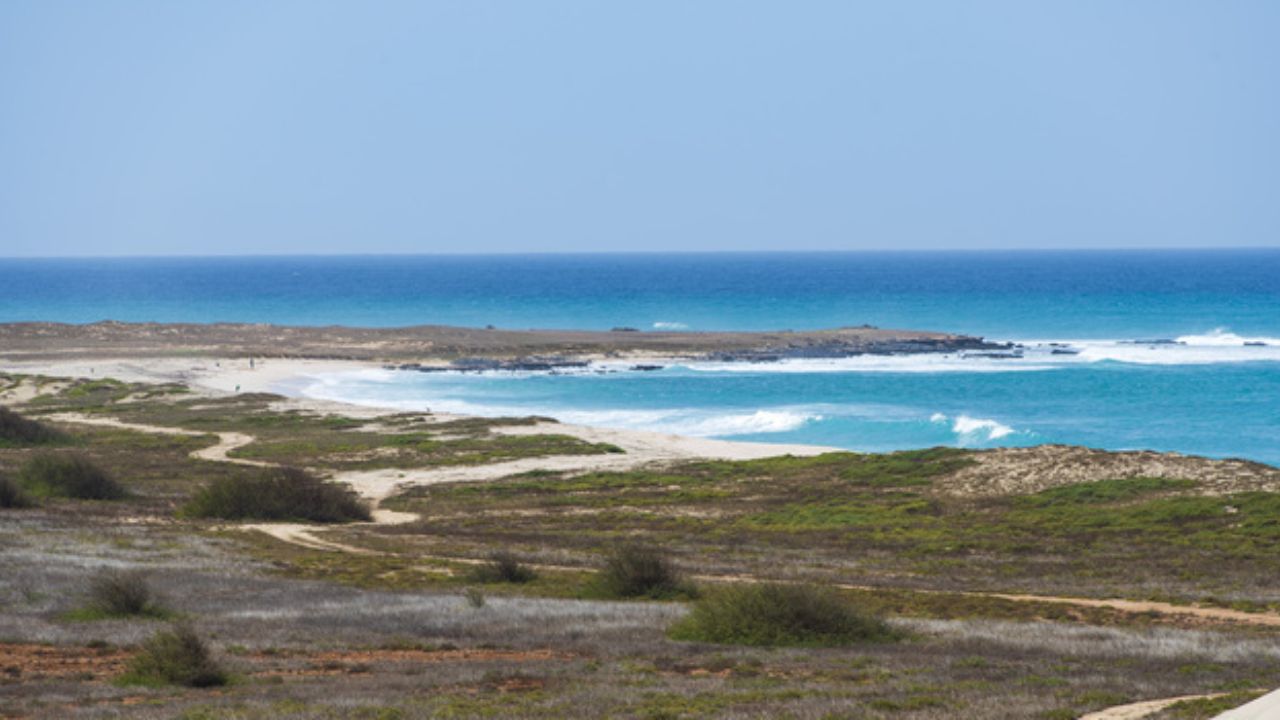
Maio is one of Cape Verde’s quietest and least commercialized islands, often overlooked in favor of Sal or Boa Vista. For travelers seeking empty beaches, slow island life, and a strong sense of local culture, Maio offers a different side of Cape Verde—one that feels untouched, relaxed, and deeply authentic. This guide explains why Maio is considered Cape Verde’s most underrated island and who it is best suited for.
Where Is Maio Island and Why It’s Different
Maio is located east of Santiago and south of Boa Vista. Despite being relatively close to larger islands, it has avoided mass tourism development. There are no large resorts, no busy nightlife zones, and very little traffic. Life here moves at a calm pace, shaped by fishing, agriculture, and close-knit communities.
Table of Contents
What makes Maio different is its balance of accessibility and isolation. You can reach the island without difficulty, yet once you arrive, it feels far removed from crowded tourist centers. This combination appeals to travelers who want Cape Verde without the resort atmosphere.
Beaches on Maio Island
Maio is known for long, wide beaches that often stretch for kilometers with almost no one in sight. Praia do Morro and Praia de Ponta Preta are among the most visited, but even these remain quiet compared to beaches on Sal or Boa Vista.
The sand is soft and pale, the water is clear, and the coastline feels raw and natural. Strong winds are common, making some areas suitable for kiteboarding, but many beaches are best enjoyed for walking, relaxing, and watching fishing boats return at sunset. Maio’s beaches are ideal for travelers who value space and simplicity over beach clubs and organized activities.
What to Do on Maio Island
Maio is not about packed itineraries. Activities here revolve around nature and local life. Walking through Vila do Maio, the island’s main town, offers insight into everyday Cape Verdean culture—small cafés, pastel-colored houses, and quiet squares where locals gather.
Hiking and nature walks are popular, especially in the island’s interior, where acacia forests and open landscapes create a peaceful environment. Birdwatching is another highlight, as Maio plays an important role in regional ecosystems. For those interested in marine life, the island is also known for turtle nesting sites, with conservation efforts active during nesting season.
Culture and Local Life
Maio has a strong community feel. Residents are welcoming, and visitors often notice how quickly they are recognized and greeted. Music, especially traditional Cape Verdean styles, plays an important role in daily life, though performances are usually informal rather than staged for tourists.
The island’s history is tied to salt production, fishing, and agriculture. Unlike more tourist-oriented islands, Maio has retained a lifestyle shaped primarily by local needs rather than external demand. This makes cultural experiences feel natural and unforced.
Where to Stay on Maio Island
Accommodation on Maio is limited but comfortable. Small guesthouses, family-run hotels, and a few eco-lodges make up most of the options. This suits travelers who prefer personal service and a quieter environment.
There are no large all-inclusive resorts, which helps preserve the island’s character. Staying in locally owned accommodation also supports the community directly and often provides better access to local knowledge and experiences.
Getting to and Around Maio
Maio can be reached by domestic flights from Santiago and occasionally by ferry, depending on schedules and sea conditions. Flights are the most reliable option and take only a short time.
Once on the island, getting around is simple. Taxis and shared transport are available, and distances are short. Many visitors enjoy walking, especially within Vila do Maio and along nearby beaches.
Best Time to Visit Maio Island
Maio can be visited year-round, but the most popular months are from November to June, when the weather is dry and temperatures are comfortable. Trade winds are common, particularly in winter months, which helps keep the climate pleasant.
The late summer period brings higher humidity and occasional rainfall, though it remains quieter and greener. Travelers interested in turtle conservation may prefer specific months aligned with nesting seasons.
Who Should Visit Maio Island
Maio is ideal for slow travelers, couples, solo visitors, writers, photographers, and anyone looking to disconnect from busy routines. It is less suitable for travelers seeking nightlife, luxury resorts, or action-packed schedules.
For those who want to experience Cape Verde at its most peaceful and authentic, Maio offers something rare: space, simplicity, and a genuine connection to island life.
Why Maio Remains Cape Verde’s Best-Kept Secret
Maio’s lack of hype is exactly what makes it special. Without heavy development, the island has preserved its natural beauty and cultural rhythm. For travelers willing to trade convenience and entertainment for calm and authenticity, Maio stands out as one of Cape Verde’s most rewarding destinations.

Marta Silva is a travel writer and certified island guide with over twelve years leading small-group tours across Cape Verde. Based in Praia, Cape Verde, her professional background combines on-the-ground guiding, itinerary planning, and hospitality consulting. Her expertise includes island itineraries, public transport logistics, sustainable travel tips, and local culture immersion. Marta authored the practical guidebook “Discovering Santiago” and contributes island guides for regional tourism publications; she has partnered with Cape Verde’s tourism board on community-based tourism initiatives and regular travel-workshops for visiting journalists.