

Island hopping is one of the best ways to experience Cape Verde, but it only works well if expectations match reality. Distances are short, yet weather, flight schedules, and ferry reliability play a big role. This 7–10 day plan is designed for first-time visitors who want variety without rushing and who understand that flexibility is part of traveling in the islands.
How Island Hopping Works in Cape Verde
Cape Verde has nine inhabited islands, but visiting too many in a short trip often leads to missed flights and unnecessary stress. Domestic flights are the fastest option, while ferries are cheaper but more affected by wind and sea conditions. A realistic plan focuses on two or three islands, chosen for easy connections and contrasting experiences.
Table of Contents
Most international flights arrive on Sal or Santiago, making them the most practical starting points. From there, short domestic flights connect to cultural and hiking-focused islands like São Vicente and Santo Antão.
Choosing the Right Islands for a 7–10 Day Trip
For a balanced first visit, this itinerary focuses on Sal, São Vicente, and Santo Antão. Together, they offer beaches, culture, music, and dramatic landscapes without excessive travel time.
Sal is ideal for arrival and departure, São Vicente provides urban culture and nightlife, and Santo Antão delivers hiking and rural scenery. This combination keeps travel logical while showing different sides of the country.
Days 1–3: Sal Island (Arrival and Beach Time)
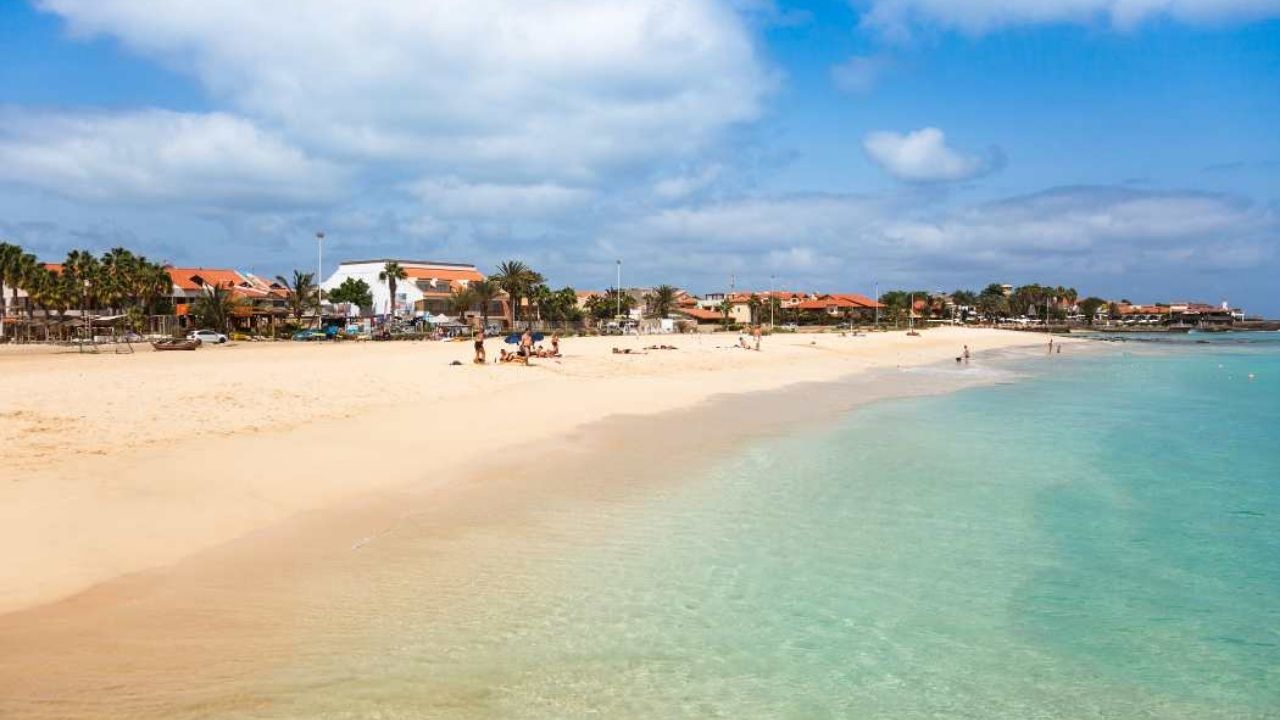
Start your trip on Sal, where international arrivals are smooth and infrastructure is tourist-friendly. Spend the first day resting, adjusting to the climate, and exploring Santa Maria’s beachfront. This area offers calm beaches, walkable streets, and reliable restaurants.
On day two, explore beyond the resort zone. Visit Pedra de Lume’s salt crater, natural pools at Buracona, or take a relaxed island tour. Sal is flat and easy to navigate, making it a gentle introduction to Cape Verde.
Use the third day as a buffer. Weather delays are rare here, but having extra time reduces stress before your first inter-island flight.
Days 4–5: São Vicente (Culture and Music)
Fly from Sal to São Vicente, usually via a short domestic flight. Base yourself in Mindelo, the cultural heart of the islands. The city is compact, lively, and known for music, colonial architecture, and a strong café culture.
Spend one day exploring Mindelo’s markets, harbor, and museums. In the evening, live music venues showcase morna and coladeira, offering insight into Cape Verde’s musical heritage.
On the second day, take a short trip to nearby beaches like Laginha or São Pedro. São Vicente balances urban life with coastal relaxation, making it ideal before heading into more rural terrain.
Days 6–8: Santo Antão (Nature and Hiking)
From Mindelo, take an early ferry to Santo Antão. The crossing is short but can be rough during windy periods, so flexibility is important. Once on Santo Antão, the scenery changes dramatically, with steep valleys, green terraces, and mountain villages.
Spend two to three days hiking or driving through areas like Ribeira Grande and Paul Valley. Even non-hikers can enjoy the island by hiring a local driver. Roads are slow, but the landscapes reward patience.
Accommodations are simple, meals are local, and evenings are quiet. Santo Antão is about slowing down and experiencing rural island life.
Days 9–10: Return and Departure Buffer
Return to São Vicente by ferry and fly back to Sal for your international departure. If you have only seven or eight days total, shorten Santo Antão to two nights and keep one buffer day on Sal.
Always plan your final night on the same island as your departure airport. This reduces the risk of missed international flights due to ferry or domestic flight delays.
Practical Tips for a Smooth Island-Hopping Trip
Book domestic flights early, especially during peak travel seasons. Avoid tight connections and same-day international departures after ferry travel. Pack light, as small planes have weight limits.
Accept that schedules may change. Island hopping in Cape Verde works best when you allow room for delays and treat them as part of the experience rather than a disruption.
Is Island Hopping Worth It?
Yes, if done realistically. Visiting two or three islands over 7–10 days offers far more depth than staying in one resort area. With smart planning, buffer days, and flexible expectations, island hopping becomes one of the most rewarding ways to experience Cape Verde.

Marta Silva is a travel writer and certified island guide with over twelve years leading small-group tours across Cape Verde. Based in Praia, Cape Verde, her professional background combines on-the-ground guiding, itinerary planning, and hospitality consulting. Her expertise includes island itineraries, public transport logistics, sustainable travel tips, and local culture immersion. Marta authored the practical guidebook “Discovering Santiago” and contributes island guides for regional tourism publications; she has partnered with Cape Verde’s tourism board on community-based tourism initiatives and regular travel-workshops for visiting journalists.