

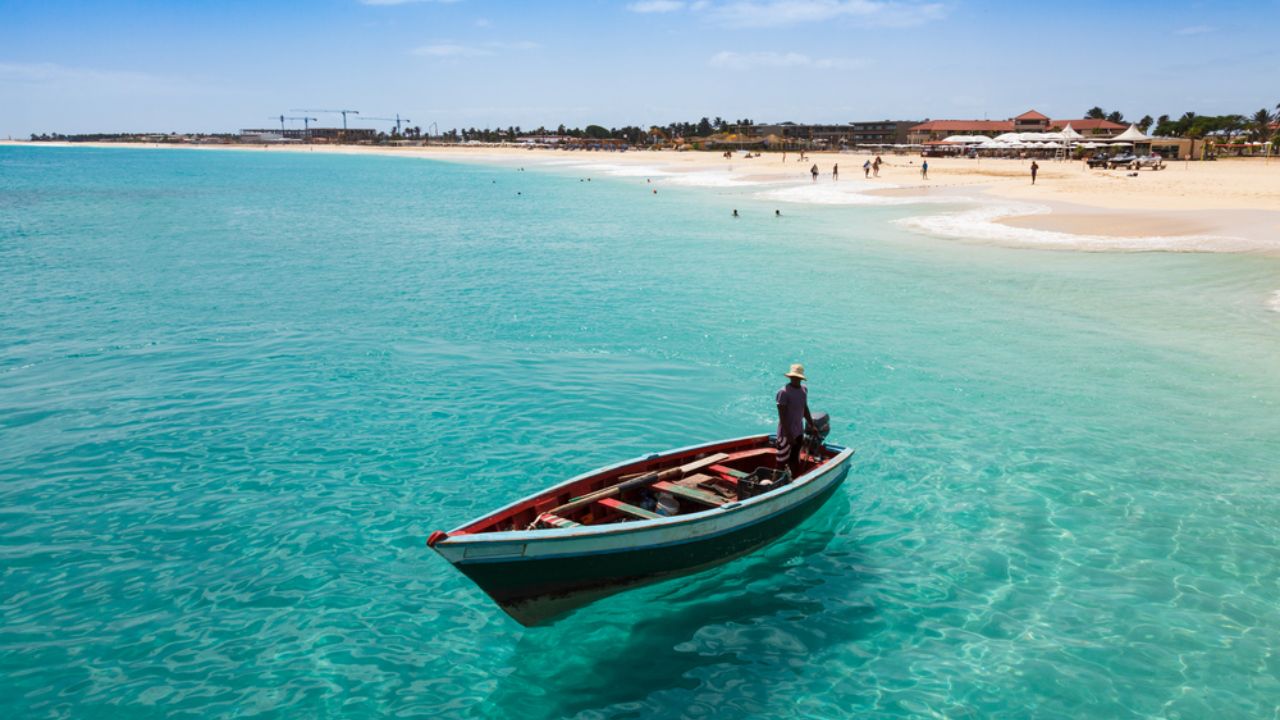
Cape Verde is often described as sunny, warm, and breezy—but many travelers planning a beach holiday ask the same question: is it too windy to relax by the sea? The short answer is no, but the full picture depends on timing, island choice, and the kind of beach experience you’re looking for. Understanding Cape Verde’s wind patterns helps set realistic expectations and can actually improve your trip.
Why Cape Verde Is Windy
Cape Verde sits in the Atlantic Ocean off the coast of West Africa, directly influenced by steady trade winds. These winds blow from the northeast for much of the year and are part of what keeps the islands pleasantly temperate instead of overly hot.
Table of Contents
Rather than sudden gusts or storms, Cape Verde’s wind is usually consistent and predictable. It’s one of the reasons the climate feels comfortable even when temperatures rise. The wind also plays a major role in shaping the islands’ identity, from sailing traditions to world-class water sports.
When Wind Is Strongest in Cape Verde
The windiest period generally runs from December through March. During these months, trade winds are more pronounced, especially on open Atlantic-facing beaches. This is peak season for kiteboarding and windsurfing, and you’ll see many beaches dotted with colorful kites.
From April to June, winds gradually ease, creating a balance between gentle breezes and calm seas. July through October is typically the least windy period, with warmer water and smoother ocean conditions, though humidity and occasional rainfall increase slightly in late summer.
Does Wind Ruin Beach Relaxation?
For most visitors, the wind does not ruin beach holidays—it often improves them. Light to moderate breezes keep sand from becoming unbearably hot, reduce humidity, and make long beach days more comfortable. On popular islands like Sal and Boa Vista, resorts are designed with wind conditions in mind, offering sheltered pool areas, windbreaks, and calm sections of beach.
That said, on particularly windy days during winter, lounging directly by the shoreline can feel cool, especially after swimming. Many travelers adapt by choosing sheltered coves, wearing light cover-ups, or relaxing slightly inland where the wind drops off.
Best Islands for Windy vs Calm Beaches
Not all Cape Verde islands feel equally windy. Sal and Boa Vista are flatter and more exposed, which makes them windier overall. This exposure is exactly why they’re famous for long beaches and water sports.
Santiago, São Vicente, and Santo Antão have more varied landscapes, with hills and mountains that create natural wind shelters. On these islands, you can often find calm beaches even during windy months by choosing the right coast or bay.
For travelers who want minimal wind, beaches on the leeward (south or west-facing) sides of islands tend to be calmer than those facing the open Atlantic.
Wind and Ocean Conditions
Wind affects not just comfort but also sea conditions. During windy months, waves can be stronger and currents more noticeable, especially on exposed beaches. Many swimming-friendly beaches remain perfectly safe, but conditions can change daily.
Local advice matters. Resorts, lifeguards, and residents know which beaches are best for swimming on any given day. In calmer months, the ocean is generally gentler, making it ideal for families and casual swimmers.
Best Time for a Classic Beach Holiday
If your ideal beach holiday means calm seas, sunbathing, and relaxed swimming, the best months are May, June, September, and October. These months offer warm temperatures, lighter winds, and fewer crowds.
If you enjoy fresh air, long walks on the beach, and don’t mind a breeze, winter months can still be very enjoyable—especially when paired with cultural activities, island exploration, and coastal dining.
Who Benefits Most From the Wind?
Wind is a major plus for certain travelers. Kiteboarders, surfers, sailors, and adventure-focused visitors often consider Cape Verde one of the best Atlantic destinations precisely because of its reliable wind. Even casual travelers often find that the breeze makes outdoor activities more pleasant.
For photographers, the wind also brings dramatic skies and clear visibility, adding to the islands’ visual appeal.
Final Verdict: Too Windy or Just Right?
Cape Verde is not too windy for beach holidays—it’s breezy in a way that defines its climate and charm. By choosing the right island, beach, and season, most travelers find the wind manageable or even enjoyable. Rather than avoiding Cape Verde because of wind, it’s better to plan around it. When you do, the result is a beach holiday that feels refreshing, sunny, and uniquely Cape Verdean.

Joao Fernandes is a climatologist and historian specializing in Cape Verde’s weather patterns and island history, with fifteen years at the national meteorological institute and university research. Based in Praia, Cape Verde, his professional background blends climate analysis, historical archival research, and public policy advising. His expertise covers seasonal wind and rainfall forecasts, climate resilience for coastal communities, and archival studies of colonial-era records. Joao co-authored the book “Climate and Culture of Cape Verde,” published peer-reviewed papers, and advised municipal planners on weather-informed heritage conservation.