

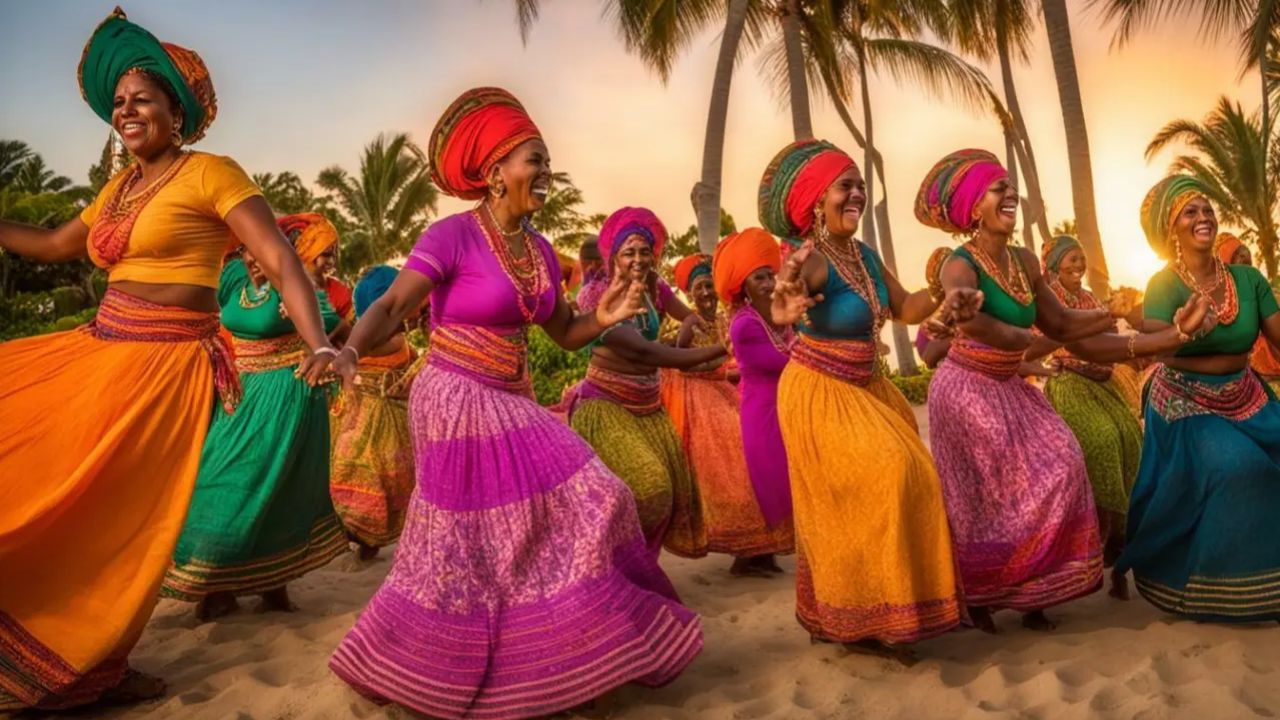
Cape Verde’s modern culture is deeply shaped by its history as a crossroads of continents, trade routes, and peoples. Located in the Atlantic Ocean off the coast of West Africa, Cape Verde developed without an indigenous population, meaning every aspect of its identity was formed through migration, adaptation, and survival. Today’s music, language, food, and social values all reflect this layered past.
A Society Formed Without Indigenous Roots
When Portuguese sailors arrived in the 15th century, the islands were uninhabited. This absence of an indigenous culture meant that Cape Verdean society was created entirely from external influences, mainly Portuguese settlers and enslaved Africans brought through Atlantic trade routes. Over time, these groups blended culturally and socially, creating a mixed heritage that still defines Cape Verdean identity today.
Table of Contents
This origin shaped a culture based on coexistence and negotiation. Modern Cape Verdeans often describe their identity as creole rather than European or African alone, a reflection of centuries of cultural blending rather than replacement.
The Legacy of Slavery and the Atlantic World
Cape Verde played a major role in the transatlantic slave trade, serving as a strategic stopover between Africa, Europe, and the Americas. Although slavery brought suffering and exploitation, it also resulted in the forced mixing of languages, beliefs, and traditions. The cultural resilience developed during this period remains visible in modern social life.
Today, themes of endurance, dignity, and collective memory appear in Cape Verdean storytelling, music, and oral traditions. Rather than erasing the past, modern culture acknowledges hardship as a foundation for strength and identity.
Language as a Cultural Bridge
One of the most powerful examples of historical influence is language. Portuguese is the official language, used in education, government, and media. However, Cape Verdean Creole (Kriolu) is the language of daily life, family, and emotional expression.
Kriolu emerged from the interaction between Portuguese vocabulary and African linguistic structures. Its widespread use today reflects historical resistance to cultural erasure and a strong sense of local identity. In modern music, poetry, and conversation, Kriolu remains a symbol of authenticity and belonging.
Music Rooted in Collective Memory
Cape Verdean music is one of the clearest expressions of historical influence. Genres such as morna and coladeira reflect themes of separation, longing, migration, and hope. These emotions stem directly from centuries of forced movement, maritime life, and emigration.
Modern artists continue to build on these traditions while blending jazz, pop, and African rhythms. Even contemporary styles carry emotional depth rooted in historical experiences, especially the idea of saudade, a deep sense of longing tied to distance and memory.
Migration and the Diaspora Experience
Emigration has been a constant in Cape Verde’s history due to drought, limited resources, and economic challenges. Large communities formed abroad, especially in the United States and Europe. This diaspora experience continues to shape modern culture.
Cape Verdeans today often grow up with transnational identities, maintaining strong family ties across oceans. Food, music, festivals, and remittances all reflect this global connection. The idea of home extends beyond geography and is deeply tied to shared history and family networks.
Food Shaped by Scarcity and Adaptation
Traditional Cape Verdean cuisine reflects historical scarcity and resourcefulness. Dishes like cachupa developed from limited ingredients and the need to sustain communities during difficult times. Corn, beans, fish, and preserved foods became staples because they were reliable and adaptable.
Modern Cape Verdean food culture still values simplicity, sharing, and respect for ingredients. Meals are often social events, reinforcing community bonds shaped by centuries of collective survival.
Political History and Social Stability
Cape Verde’s peaceful path to independence and long-standing political stability also influence modern culture. Respect for education, dialogue, and civic responsibility is deeply ingrained. Unlike many post-colonial nations, Cape Verde’s political culture emphasizes consensus and gradual progress.
This stability allows cultural traditions to thrive without constant disruption, reinforcing pride in national identity and historical continuity.
History as a Living Influence
Modern Cape Verdean culture is not frozen in the past. Instead, history functions as a living influence, guiding how people express identity, handle change, and connect across borders. From language and music to food and family life, the past remains present in everyday experiences.
Understanding Cape Verde today requires understanding its history—not as distant events, but as forces that continue to shape how Cape Verdeans see themselves and the world around them.

Marta Silva is a travel writer and certified island guide with over twelve years leading small-group tours across Cape Verde. Based in Praia, Cape Verde, her professional background combines on-the-ground guiding, itinerary planning, and hospitality consulting. Her expertise includes island itineraries, public transport logistics, sustainable travel tips, and local culture immersion. Marta authored the practical guidebook “Discovering Santiago” and contributes island guides for regional tourism publications; she has partnered with Cape Verde’s tourism board on community-based tourism initiatives and regular travel-workshops for visiting journalists.