

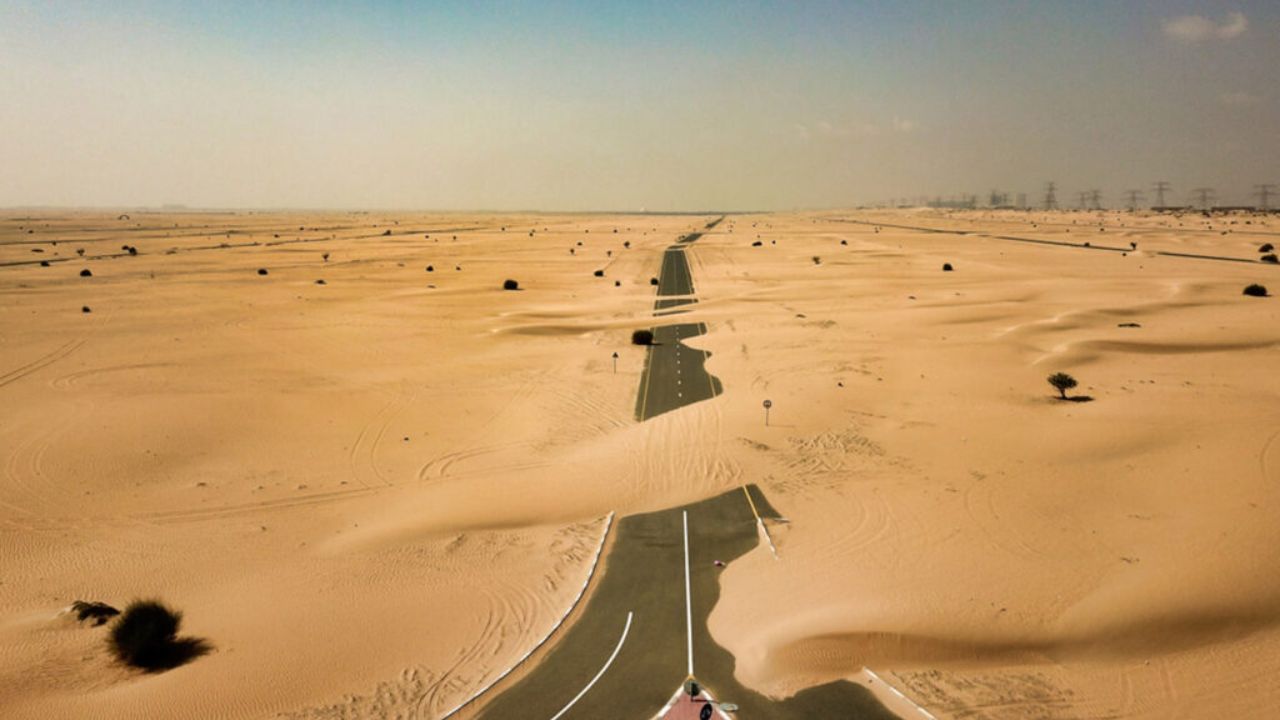
The Harmattan is a seasonal weather phenomenon that plays a noticeable role in travel conditions across Cape Verde. While it rarely stops travel entirely, it can influence visibility, air quality, ocean conditions, and overall comfort for visitors. Understanding how the Harmattan works helps travelers plan better trips and avoid surprises.
What Is the Harmattan?
The Harmattan is a dry, dusty wind that originates in the Sahara Desert and blows westward across West Africa and the Atlantic Ocean. During certain months, fine Saharan dust particles are carried thousands of kilometers, often reaching Cape Verde. This dust remains suspended in the air, creating a hazy sky and reducing visibility.
Table of Contents
Unlike storms with heavy rain or strong local winds, the Harmattan is subtle. Travelers often notice it as a milky or grayish sky rather than dramatic weather events. However, its effects can still be significant depending on timing and sensitivity.
When Does the Harmattan Affect Cape Verde?
The Harmattan typically affects Cape Verde between December and March, with peak intensity often seen in January and February. Some years experience stronger or longer-lasting dust episodes, while other years see only brief periods of haze.
The duration can vary from a few days to several weeks. Conditions may clear temporarily and then return, depending on wind patterns over the Sahara and Atlantic. Travelers visiting during winter months should expect at least some chance of Harmattan conditions.
How the Harmattan Impacts Visibility and Flights
One of the most noticeable effects of the Harmattan is reduced visibility. The sky can appear washed out, and distant landscapes may look blurred or faded. This can slightly impact scenic views, especially for photography or mountain viewpoints.
In rare cases, very dense dust can cause minor flight delays, mainly during landing or takeoff. Full cancellations are uncommon, and Cape Verde’s airports generally operate normally during Harmattan periods. Travelers should still allow some flexibility in schedules, particularly for inter-island flights.
Effects on Beaches and Ocean Conditions
The Harmattan does not usually bring rain, but it can influence the ocean environment. Dust in the air may reduce water clarity, and stronger seasonal winds often accompany this period, especially around islands like Sal and Boa Vista.
For beachgoers, conditions remain pleasant, though visibility may be lower for snorkeling and diving. On the positive side, wind sports such as kitesurfing and windsurfing thrive during this season, making it a popular time for experienced enthusiasts.
Health and Comfort Considerations
Dry air and dust particles can affect travelers differently. People with asthma, allergies, or respiratory sensitivities may notice irritation in the throat, eyes, or sinuses. Dry skin and chapped lips are also common during Harmattan periods.
Most visitors experience only mild discomfort, but it is wise to take precautions. Drinking plenty of water, using moisturizers, and wearing sunglasses can help reduce irritation. Those with known respiratory conditions may consider bringing masks or prescribed inhalers.
How the Harmattan Affects Weather Perception
Temperatures during the Harmattan remain warm by most standards, usually ranging from comfortable to mildly hot during the day. However, the dry wind can make evenings feel cooler than expected, particularly in higher elevations or exposed coastal areas.
The haze may also reduce direct sunlight, which can make days feel less intense than typical tropical weather. Some travelers appreciate this softer light, while others prefer clearer skies.
Should the Harmattan Change Your Travel Plans?
For most travelers, the Harmattan is not a reason to avoid Cape Verde. Tourism continues year-round, and many visitors travel during this season without major issues. The key is adjusting expectations rather than canceling trips.
If your priority is crystal-clear skies, underwater visibility, or landscape photography, late spring or early autumn may be better. If you enjoy cooler evenings, fewer crowds, and excellent wind conditions, Harmattan season can still be a good choice.
Practical Tips for Traveling During Harmattan Season
Packing smartly can make a noticeable difference. Lightweight scarves can protect against dust, while sunglasses help with eye comfort. Moisturizers, lip balm, and saline sprays are useful additions. Travelers planning outdoor activities should monitor daily forecasts and remain flexible.
It is also helpful to plan indoor cultural activities, local food experiences, and city exploration during hazier days, saving beach or scenic trips for clearer periods.
Final Thoughts
The Harmattan is a natural part of Cape Verde’s seasonal climate, not a travel hazard but a factor to understand. With basic preparation and realistic expectations, most travelers find that it has only a minor impact on their experience. Knowing how and when it affects the islands allows visitors to enjoy Cape Verde comfortably, responsibly, and with fewer surprises.

Joao Fernandes is a climatologist and historian specializing in Cape Verde’s weather patterns and island history, with fifteen years at the national meteorological institute and university research. Based in Praia, Cape Verde, his professional background blends climate analysis, historical archival research, and public policy advising. His expertise covers seasonal wind and rainfall forecasts, climate resilience for coastal communities, and archival studies of colonial-era records. Joao co-authored the book “Climate and Culture of Cape Verde,” published peer-reviewed papers, and advised municipal planners on weather-informed heritage conservation.