

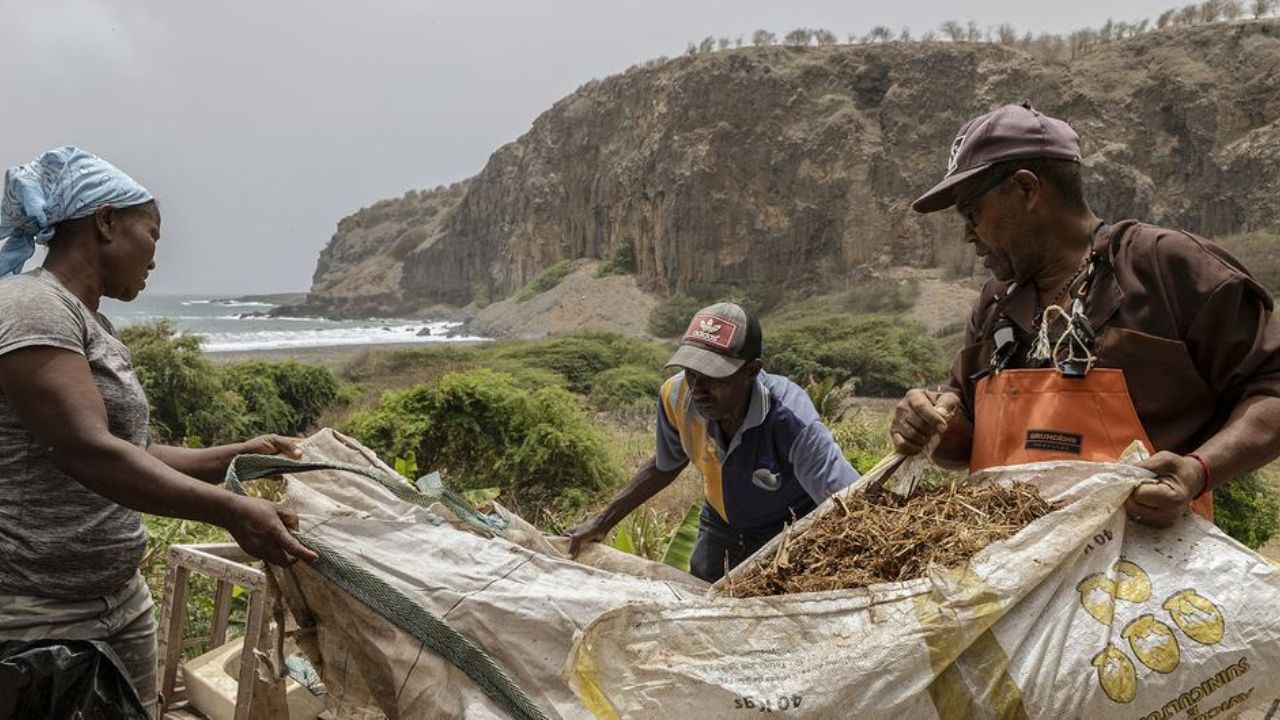
Cape Verde, officially known as the Cape Verde, is a small island nation in the Atlantic Ocean off the west coast of Africa. With its volcanic terrain, arid climate, and close relationship with the ocean, the country is especially vulnerable to climate change. Rising temperatures, shifting rainfall patterns, coastal erosion, and ocean changes are already affecting daily life across the archipelago.
While Cape Verde has long adapted to droughts and harsh winds, climate change is increasing the frequency and intensity of environmental stress. From farming and fishing to tourism and water supply, multiple sectors are experiencing visible shifts.
Table of Contents
Rising Temperatures and Heat Stress
Average temperatures in Cape Verde have gradually increased over recent decades. Although the islands are known for warm, sunny weather year-round, higher baseline temperatures are creating longer and more intense heat periods.
Heat stress affects agriculture, outdoor labor, and water demand. In urban areas like Praia and Mindelo, warmer nights reduce natural cooling, increasing electricity use for fans and air conditioning. For a country that imports much of its energy, higher cooling demand also means higher economic pressure.
In rural communities, livestock and crops are especially sensitive to prolonged heat waves. Even small temperature increases can reduce productivity in already fragile ecosystems.
Changing Rainfall Patterns and Drought
Cape Verde has historically faced irregular rainfall, but climate change is making precipitation even less predictable. The rainy season, which typically occurs between August and October, has become shorter and more erratic.
Longer dry periods increase the risk of drought. Agriculture in Cape Verde depends heavily on seasonal rainfall because only limited areas have irrigation infrastructure. When rains fail, crop yields drop sharply, affecting food security and household income.
Groundwater recharge is also reduced during low-rain years. Since freshwater resources are scarce, extended drought puts pressure on desalination plants and water storage systems, increasing costs for both the government and residents.
Sea Level Rise and Coastal Erosion
As global sea levels rise, low-lying coastal areas across Cape Verde face increasing risk. Many communities, ports, and tourism facilities are located close to the shoreline.
Stronger waves and storm surges accelerate coastal erosion, gradually reshaping beaches that are central to tourism on islands like Sal and Boa Vista. Even small losses of sand can affect hotels, roads, and local ecosystems.
Infrastructure near the coast, including fishing harbors and residential areas, may require reinforcement or relocation over time. Coastal erosion is not always dramatic, but its cumulative impact over years can be significant.
Impact on Marine Life and Fisheries
The ocean plays a vital role in Cape Verde’s economy and culture. Fishing supports thousands of families, and seafood is central to local cuisine.
Rising sea temperatures influence fish migration patterns. Some species move to cooler waters, reducing catch availability near traditional fishing grounds. Ocean warming can also affect coral ecosystems and marine biodiversity.
Changes in ocean currents and acidity may further disrupt marine habitats. Small-scale fishermen, who rely on predictable seasonal cycles, are especially vulnerable to these shifts.
Agriculture Under Pressure
Cape Verde’s agriculture sector is already limited by dry soil and uneven rainfall. Climate change intensifies these existing challenges.
More frequent droughts reduce crop yields of staples like maize and beans. Soil degradation can worsen when heavy rains follow long dry periods, leading to erosion and nutrient loss.
Farmers increasingly need drought-resistant crops, improved water storage systems, and better soil management techniques. Without adaptation strategies, rural livelihoods remain at risk.
Tourism and Climate Vulnerability
Tourism is one of the most important economic sectors in Cape Verde. Beach resorts, water sports, and cultural festivals attract visitors from Europe, the United States, and beyond.
Climate change can influence tourism in multiple ways. Coastal erosion affects beach quality, while extreme weather events may disrupt flights and ferry schedules. Prolonged drought can also impact landscape aesthetics and water availability in hotels.
At the same time, Cape Verde’s stable political environment and year-round sunshine continue to make it an attractive destination. Sustainable tourism planning will be essential to protect natural resources while maintaining growth.
Government and Community Response
Cape Verde has taken steps to address climate risks. The government invests in renewable energy, particularly wind and solar power, to reduce reliance on imported fossil fuels. Water desalination and storage systems are being expanded to cope with drought.
Local communities also play a role in adaptation. Farmers are adopting water-saving techniques, and environmental awareness campaigns encourage conservation and responsible development.
International partnerships support climate resilience projects, focusing on coastal protection, disaster preparedness, and sustainable infrastructure.
Conclusion
Climate change is not a distant threat for Cape Verde—it is an ongoing reality. Rising temperatures, unpredictable rainfall, sea level rise, and ocean changes are shaping the future of the islands.
Despite its vulnerability, Cape Verde has demonstrated resilience through careful planning, renewable energy investment, and community engagement. Continued adaptation, sustainable development, and global cooperation will be essential to protect the archipelago’s environment, economy, and cultural heritage in the decades ahead.

Joao Fernandes is a climatologist and historian specializing in Cape Verde’s weather patterns and island history, with fifteen years at the national meteorological institute and university research. Based in Praia, Cape Verde, his professional background blends climate analysis, historical archival research, and public policy advising. His expertise covers seasonal wind and rainfall forecasts, climate resilience for coastal communities, and archival studies of colonial-era records. Joao co-authored the book “Climate and Culture of Cape Verde,” published peer-reviewed papers, and advised municipal planners on weather-informed heritage conservation.