

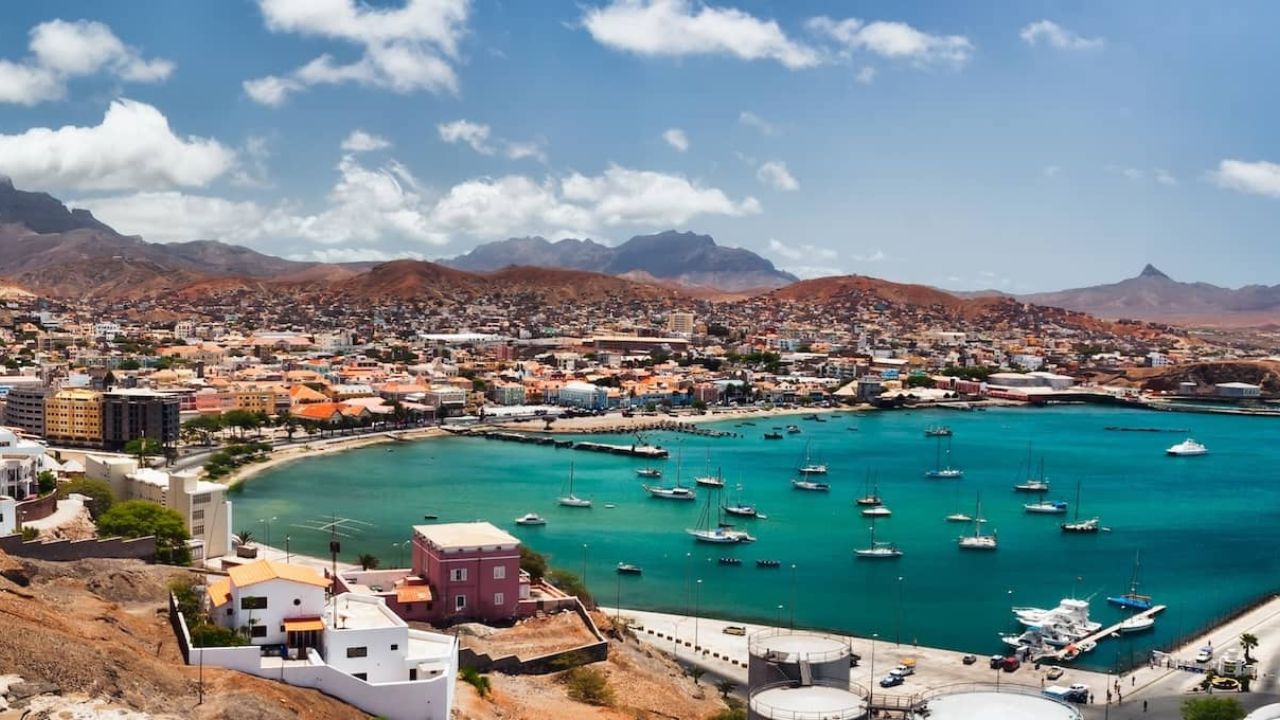
Cape Verdean Creole, often called Kriolu, is more than just a spoken language. It is a living record of Cape Verde’s history, shaped by migration, survival, and cultural blending. Spoken daily across the islands and within the global diaspora, Cape Verdean Creole developed over centuries through contact between European colonizers and enslaved African populations. Its evolution reflects the social, economic, and historical forces that defined the archipelago.
Historical Background of Cape Verde
Cape Verde was uninhabited until the mid-15th century, when Portuguese explorers arrived and established settlements. Due to its strategic location along Atlantic trade routes, the islands quickly became a key hub in maritime commerce and the transatlantic slave trade. Enslaved Africans from different regions of West Africa were brought to the islands, where they interacted with Portuguese settlers under unequal power structures.
Table of Contents
This unique environment created the conditions for a new form of communication to emerge. People from different linguistic backgrounds needed a shared means of understanding, leading to the early foundations of Cape Verdean Creole.
The Birth of a Creole Language
Cape Verdean Creole emerged as a contact language between Portuguese and various West African languages. Early forms of communication likely began as simplified Portuguese used for basic interaction. Over time, African linguistic structures, pronunciation patterns, and vocabulary blended with Portuguese elements.
Unlike European languages imposed through formal education, Creole developed organically in daily life. It became the primary language of homes, marketplaces, and communities. While Portuguese remained the official written and administrative language, Creole evolved as the true spoken language of the population.
African Linguistic Influence
African languages played a crucial role in shaping Cape Verdean Creole. Many grammatical structures, sentence rhythms, and pronunciation patterns reflect African linguistic traditions rather than European ones. For example, verb tense usage and sentence construction often differ significantly from standard Portuguese.
Vocabulary related to food, music, family life, and social customs also carries strong African roots. These influences ensured that Creole was not merely simplified Portuguese, but a distinct language with its own internal logic and cultural identity.
Regional Variation Across the Islands
Cape Verdean Creole is not a single uniform language. Each island, and sometimes each region within an island, developed its own variant. These differences are mainly in pronunciation, vocabulary, and certain grammatical features.
Broadly, Creole varieties are grouped into northern and southern forms. Despite these variations, speakers from different islands usually understand each other, reinforcing a shared linguistic identity across the archipelago. This diversity reflects how isolated island communities adapted the language to their local environments.
The Role of Portuguese Over Time
Portuguese has always remained influential in Cape Verde, especially in education, government, and formal writing. As a result, Cape Verdean Creole continued to absorb Portuguese vocabulary over the centuries, particularly for modern concepts, technology, and administration.
However, Creole maintained its independence as a spoken language. Rather than replacing Creole, Portuguese exists alongside it in a bilingual relationship. This balance has shaped how Creole continues to evolve, adapting to modern life while preserving its core structure.
Creole and Identity in Modern Cape Verde
In modern Cape Verde, Creole is a powerful marker of identity. It is the language of music, storytelling, humor, and everyday expression. Popular music genres helped spread Creole internationally, strengthening its status among the diaspora.
There have been ongoing discussions about standardizing Creole for wider written use. While progress has been made, variation across islands and social contexts makes full standardization complex. Still, public recognition of Creole’s cultural importance continues to grow.
The Diaspora and Language Evolution
Cape Verdean migration to the United States, Europe, and other regions introduced new influences into Creole. Diaspora communities often blend Creole with English, Portuguese, or French, creating new expressions while preserving the language’s core identity.
These communities play an important role in keeping Creole alive across generations. Language use in diaspora settings shows how Creole remains flexible, adapting to new environments without losing its historical roots.
Conclusion
Cape Verdean Creole developed through centuries of cultural contact, shaped by colonial history, African heritage, and island life. From its origins as a practical means of communication, it grew into a rich, expressive language that carries the collective memory of the Cape Verdean people. Today, Creole stands as a symbol of resilience, identity, and cultural continuity, connecting the islands to their past and the global diaspora to their roots.

Joao Fernandes is a climatologist and historian specializing in Cape Verde’s weather patterns and island history, with fifteen years at the national meteorological institute and university research. Based in Praia, Cape Verde, his professional background blends climate analysis, historical archival research, and public policy advising. His expertise covers seasonal wind and rainfall forecasts, climate resilience for coastal communities, and archival studies of colonial-era records. Joao co-authored the book “Climate and Culture of Cape Verde,” published peer-reviewed papers, and advised municipal planners on weather-informed heritage conservation.