

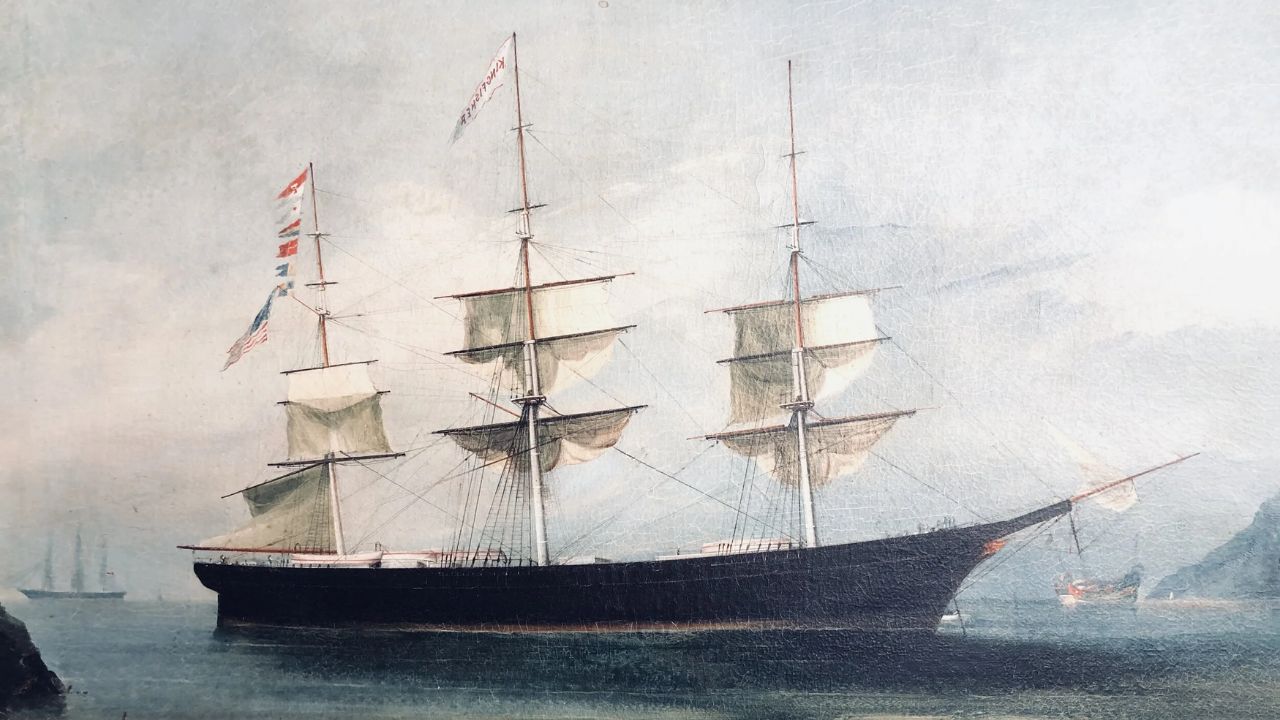
The history of Cape Verdean migration to the United States stretches back more than two centuries and is deeply tied to the Atlantic world. Cape Verde’s location along major maritime routes made its islands an early point of contact between Africa, Europe, and the Americas. Long before modern immigration systems existed, Cape Verdeans were already traveling to North America through maritime labor, particularly whaling and merchant shipping.
American whaling ships regularly stopped in Cape Verde during the late 18th and early 19th centuries to recruit skilled sailors. For many islanders facing drought, famine, and limited economic opportunities, joining these ships offered a rare chance for paid work and long-term stability. This maritime link laid the foundation for some of the earliest African-descended free communities in the northeastern United States.
Table of Contents
Whaling, Maritime Labor, and the First Settlers
The whaling industry played a central role in early Cape Verdean migration. New England ports such as New Bedford, Nantucket, and Providence became key destinations. Cape Verdean sailors were valued for their seafaring skills, endurance, and familiarity with Atlantic conditions.
Many of these sailors chose to remain in the United States after their voyages ended. They settled near ports where maritime jobs were available and gradually formed tight-knit communities. Unlike later waves of migration, these early settlers often arrived as individual men rather than families, creating small but resilient enclaves centered around work, faith, and mutual support.
Over time, these communities grew as sailors sent for relatives or encouraged others from the islands to follow similar paths. By the mid-19th century, Cape Verdean neighborhoods had become a visible part of coastal New England life.
Migration Driven by Hardship and Opportunity
Environmental and economic hardship in Cape Verde strongly influenced migration patterns. Repeated droughts, poor soil conditions, and limited natural resources made survival difficult on the islands. These challenges were intensified under Portuguese colonial rule, which restricted economic development and offered few social protections.
The United States, by contrast, represented opportunity. Industrial growth created demand for labor in factories, docks, and service industries. Cape Verdeans found work not only at sea but also in textile mills, construction, and later service-sector jobs. Migration became a survival strategy, with remittances sent back to support families and communities on the islands.
Community Formation and Cultural Identity
As migration continued into the late 19th and early 20th centuries, Cape Verdean communities became more structured. Churches, social clubs, mutual aid societies, and newspapers helped preserve language, traditions, and cultural identity. Music, food, and religious practices played a major role in maintaining connections to the islands.
At the same time, Cape Verdeans faced complex racial and social challenges in the United States. Their mixed African and European heritage did not fit neatly into American racial categories, often placing them in ambiguous social positions. Despite this, Cape Verdean-Americans built strong communal networks that emphasized education, entrepreneurship, and collective progress.
Changes After Independence and Modern Migration
Cape Verde’s independence in 1975 marked a new chapter in migration history. Political change, combined with shifting U.S. immigration laws, altered how and why people moved. Family reunification became more common, allowing entire households to settle rather than individual workers arriving alone.
Modern migration is less driven by survival alone and more by education, professional opportunity, and transnational family life. Many Cape Verdean-Americans maintain close ties to the islands, traveling frequently, investing in property, and supporting local development through remittances and cultural exchange.
Legacy of Cape Verdean Migration in the United States
Today, Cape Verdean-Americans are an established part of the American social landscape, particularly in Massachusetts, Rhode Island, and parts of New York. Their history reflects resilience, adaptability, and a long-standing relationship between Cape Verde and the United States.
The story of Cape Verdean migration is not just one of movement, but of continuity. Across generations, migrants and their descendants have balanced integration with cultural preservation, shaping identities that are both American and deeply connected to the islands. This shared history continues to influence travel, education, and cultural exchange between Cape Verde and the United States today.

Joao Fernandes is a climatologist and historian specializing in Cape Verde’s weather patterns and island history, with fifteen years at the national meteorological institute and university research. Based in Praia, Cape Verde, his professional background blends climate analysis, historical archival research, and public policy advising. His expertise covers seasonal wind and rainfall forecasts, climate resilience for coastal communities, and archival studies of colonial-era records. Joao co-authored the book “Climate and Culture of Cape Verde,” published peer-reviewed papers, and advised municipal planners on weather-informed heritage conservation.