

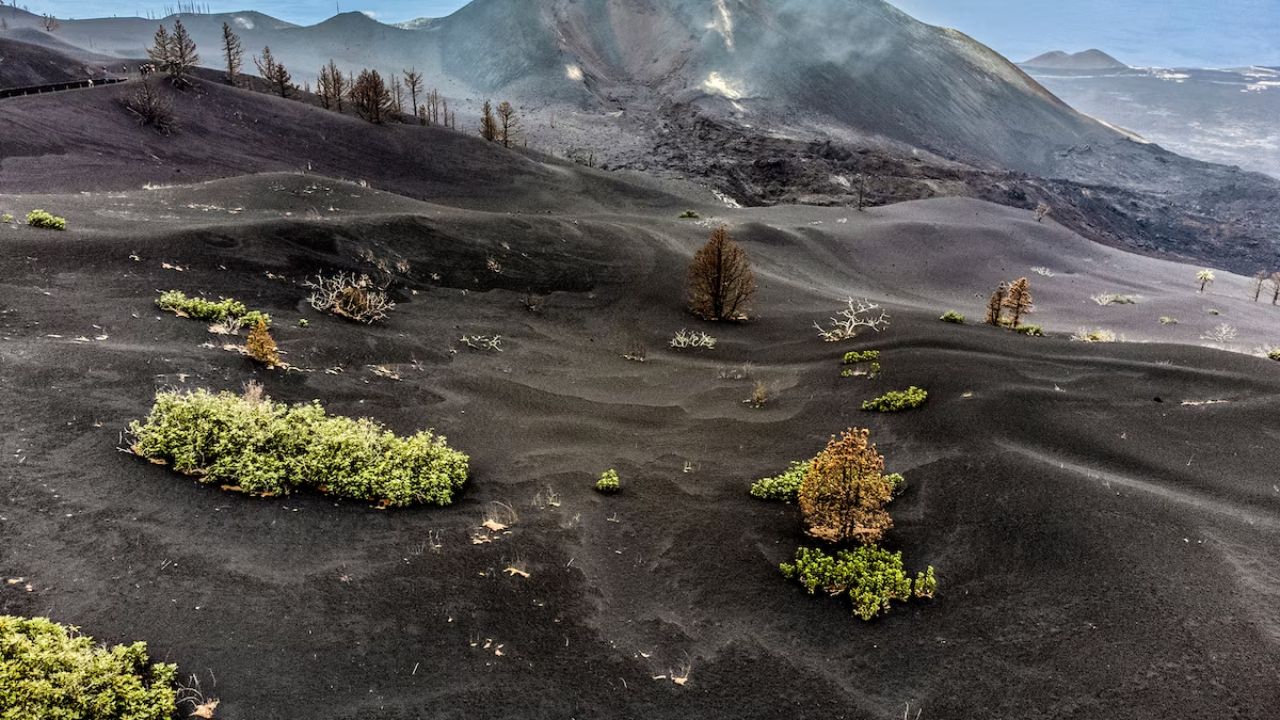
Fogo Island has long been defined by its dramatic landscape, shaped by volcanic activity and anchored by Pico do Fogo, the highest point in Cape Verde. When major eruptions disrupted daily life in the mid-2010s, the island faced not only physical damage but also uncertainty about its future as a travel destination. Today, Fogo’s tourism story is one of adaptation, resilience, and careful rebuilding.
The Impact of the Eruptions on Local Life
Volcanic eruptions forced evacuations from Chã das Caldeiras, destroyed homes, farmland, and vineyards, and temporarily halted travel to the island. For residents, the immediate priority was safety and resettlement. For tourism, the impact was swift. Flights were suspended, accommodations closed, and visitor numbers dropped sharply as international media focused on the risks rather than the recovery.
Table of Contents
Local livelihoods tied to tourism—guides, guesthouse owners, drivers, and artisans—felt the downturn quickly. At the same time, the eruptions reinforced how deeply connected Fogo’s people are to the land, even when that land becomes unpredictable.
Infrastructure Rebuilding and Safety Improvements
Recovery began with rebuilding essential infrastructure. Roads connecting São Filipe to interior villages were repaired and improved, making access safer and more reliable. New housing developments were constructed for displaced families, while remaining communities in volcanic zones were reorganized with clearer safety planning.
Tourism infrastructure followed. Small hotels and guesthouses reopened gradually, often with upgrades focused on safety, water access, and energy reliability. Monitoring systems for volcanic activity were strengthened, and emergency response plans were clarified, helping reassure both residents and visitors that risks were being managed responsibly.
The Return of Visitors and Changing Travel Perceptions
Tourism did not return overnight. Early visitors were often researchers, photographers, and hikers drawn by the island’s raw landscape. Their presence helped shift the narrative from danger to recovery. Word-of-mouth, updated travel advisories, and more balanced media coverage slowly restored confidence.
Travelers began to see Fogo not as an unsafe destination, but as a place where nature and human resilience coexist. For many, the volcanic history became part of the appeal rather than a deterrent.
Community-Led Tourism and Local Benefits
A key factor in Fogo’s tourism recovery has been community involvement. Local guides rebuilt hiking routes, particularly around volcanic trails, offering visitors context about geology, history, and daily life. Family-run guesthouses emphasized personal experiences over mass tourism, aligning with travelers seeking authenticity.
Wine production, especially from vines grown in volcanic soil, re-emerged as a signature attraction. Tours of vineyards and tastings provided income while celebrating a tradition that survived despite repeated disruptions.
Sustainable Tourism as a Long-Term Strategy
Post-eruption tourism planning has focused less on volume and more on sustainability. Authorities and local operators recognized that Fogo’s environment is both its strength and its vulnerability. Encouraging longer stays, guided hikes, and cultural exchanges helps reduce pressure on fragile areas while increasing economic benefits per visitor.
Educational tourism has also grown. Students and travelers interested in volcanology, climate, and island ecosystems visit with a deeper understanding of risks and responsibilities, supporting a more informed tourism model.
Current Tourism Conditions on Fogo Island
Today, tourism on Fogo Island is stable and steadily growing. Flights operate regularly, accommodations range from basic guesthouses to boutique hotels, and guided activities are widely available. While volcanic monitoring continues, daily life and travel proceed normally, with clear communication in place should conditions change.
Visitors now arrive better informed, often specifically seeking Fogo’s landscapes, culture, and history of resilience. The island’s recovery has reshaped expectations, attracting travelers who value learning, respect, and meaningful experiences.
What Fogo’s Recovery Teaches Other Destinations
Fogo Island’s post-eruption recovery offers a broader lesson for destinations affected by natural disasters. Transparent communication, local leadership, and sustainable planning matter more than rapid expansion. By rebuilding with community needs and environmental limits in mind, Fogo transformed a crisis into an opportunity to redefine its tourism identity.
Rather than erasing its volcanic past, the island embraced it. That honesty has become central to how Fogo welcomes the world again—carefully, confidently, and on its own terms.

Marta Silva is a travel writer and certified island guide with over twelve years leading small-group tours across Cape Verde. Based in Praia, Cape Verde, her professional background combines on-the-ground guiding, itinerary planning, and hospitality consulting. Her expertise includes island itineraries, public transport logistics, sustainable travel tips, and local culture immersion. Marta authored the practical guidebook “Discovering Santiago” and contributes island guides for regional tourism publications; she has partnered with Cape Verde’s tourism board on community-based tourism initiatives and regular travel-workshops for visiting journalists.