

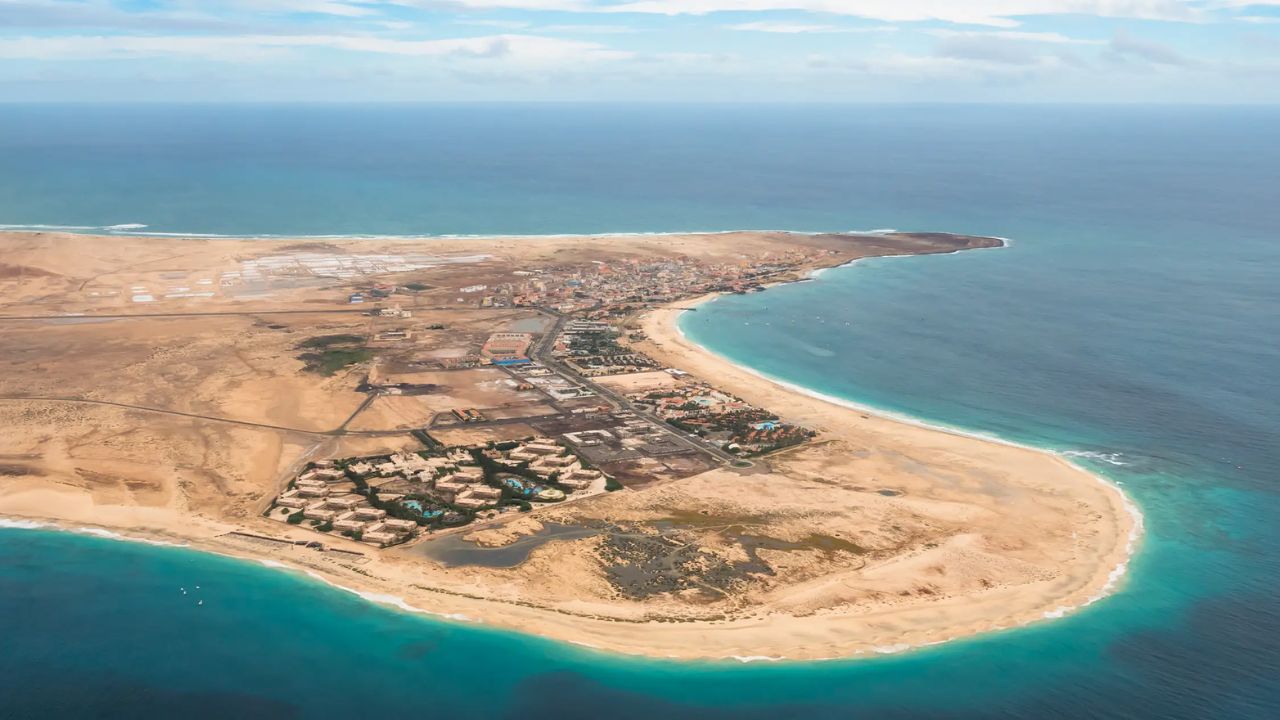
Cape Verde is often described as a year-round warm destination, but many travelers still ask a very real question before booking: does Cape Verde ever get cold? The short answer is yes—but not in the way most people imagine. The islands don’t experience winter cold like Europe or North America, yet there are moments when temperatures feel surprisingly cool, especially depending on season, island, wind, and time of day. Here’s a realistic, experience-based look at what “cold” actually means in Cape Verde.
What “Cold” Means in Cape Verde
Cold in Cape Verde is relative. You won’t see snow, frost, or freezing temperatures anywhere in the archipelago. However, travelers used to tropical heat can feel chilly when temperatures drop into the high teens or low twenties Celsius, particularly with strong Atlantic winds.
Table of Contents
For locals, anything below about 20°C (68°F) is considered cold. For visitors from colder climates, it usually feels mild—but wind and humidity can change that perception quickly.
Average Temperatures Throughout the Year
Cape Verde enjoys a stable climate with small seasonal variations.
Daytime temperatures usually range between 24°C and 30°C (75°F to 86°F). Nights are cooler, especially from December to March, when temperatures can fall to around 18°C–20°C (64°F–68°F). On rare occasions, early morning temperatures can dip slightly lower in elevated areas.
Because the temperature swing between day and night is noticeable, many first-time visitors are surprised by how cool evenings can feel after sunset.
When Cape Verde Feels the Coldest
The coolest period is generally from December through February. This is when northeast trade winds are strongest and nights are at their coolest.
Early mornings can feel brisk, especially if you’re near the coast or staying somewhere exposed to wind. Sitting outside after dinner without a light jacket can feel uncomfortable for some travelers during this season.
Even during these months, daytime sun remains warm, and beaches are still usable—though ocean breezes can make lounging less comfortable without wind protection.
The Role of Wind in Feeling Cold
Wind is the biggest reason Cape Verde can feel cold at times. Islands like Sal, Boa Vista, and São Vicente are especially windy during winter months.
When strong trade winds combine with moderate temperatures, the “feels like” temperature can drop noticeably. This is why people sometimes describe Cape Verde as “cooler than expected,” even though thermometers show mild readings.
Wind also affects evenings more than afternoons, making coastal walks or open-air restaurants feel chilly.
Does It Get Cold at Night?
Yes, relatively speaking. Nights are the coolest part of the day, particularly between January and March.
In coastal towns, nighttime temperatures around 18°C–19°C are common. In inland or elevated areas—such as parts of Santiago or Santo Antão—it can feel cooler due to altitude and reduced humidity.
Most accommodations don’t have heating, but it’s rarely needed. A light sweater or hoodie is usually enough for comfort indoors and outdoors.
Are Some Islands Colder Than Others?
Yes, there are differences between islands.
Mountainous islands like Santo Antão and Santiago tend to feel cooler in higher elevations, especially at night. Valleys and rural areas can experience lower temperatures than beach resorts.
Flatter islands like Sal and Boa Vista don’t get colder in terms of temperature, but strong winds often make them feel cooler than inland areas on other islands.
São Vicente, especially around Mindelo, can feel cool in the evenings due to wind and open geography.
Ocean and Water Temperatures
Sea temperatures also influence how cold Cape Verde feels. The Atlantic around the islands is cooler than many tropical destinations.
Water temperatures range roughly from 22°C to 26°C (72°F to 79°F). During winter months, swimming can feel chilly at first, especially on windy days. Many travelers still swim comfortably, but others prefer wetsuits for longer water activities like surfing or diving.
What Locals and Travelers Say
Locals often bundle up during winter evenings, wearing jackets, scarves, and closed shoes. Visitors sometimes find this amusing—until they experience a windy night themselves.
Travelers commonly say Cape Verde never feels cold during the day but can feel unexpectedly cool at night, on boats, or during early morning walks. Those coming from hot, humid climates tend to notice the chill more than visitors from Europe or North America.
What to Pack to Stay Comfortable
You don’t need heavy winter clothing, but packing smart helps.
Bring light layers, such as a thin jacket, cardigan, or hoodie. Long pants are useful for evenings, and closed shoes can be more comfortable than sandals at night. If you’re sensitive to wind, a windbreaker makes a big difference.
During the day, summer clothing is usually sufficient year-round.
Final Verdict: Does Cape Verde Get Cold?
Cape Verde doesn’t get cold in a traditional sense, but it absolutely gets cool—sometimes cool enough to surprise travelers who expect nonstop tropical heat. Windy winter evenings, early mornings, and higher elevations are when you’re most likely to feel it.
If you plan with realistic expectations and pack light layers, Cape Verde remains a comfortable, pleasant destination throughout the year—warm sun by day, fresh air by night, and just enough variation to keep things interesting.

Joao Fernandes is a climatologist and historian specializing in Cape Verde’s weather patterns and island history, with fifteen years at the national meteorological institute and university research. Based in Praia, Cape Verde, his professional background blends climate analysis, historical archival research, and public policy advising. His expertise covers seasonal wind and rainfall forecasts, climate resilience for coastal communities, and archival studies of colonial-era records. Joao co-authored the book “Climate and Culture of Cape Verde,” published peer-reviewed papers, and advised municipal planners on weather-informed heritage conservation.