

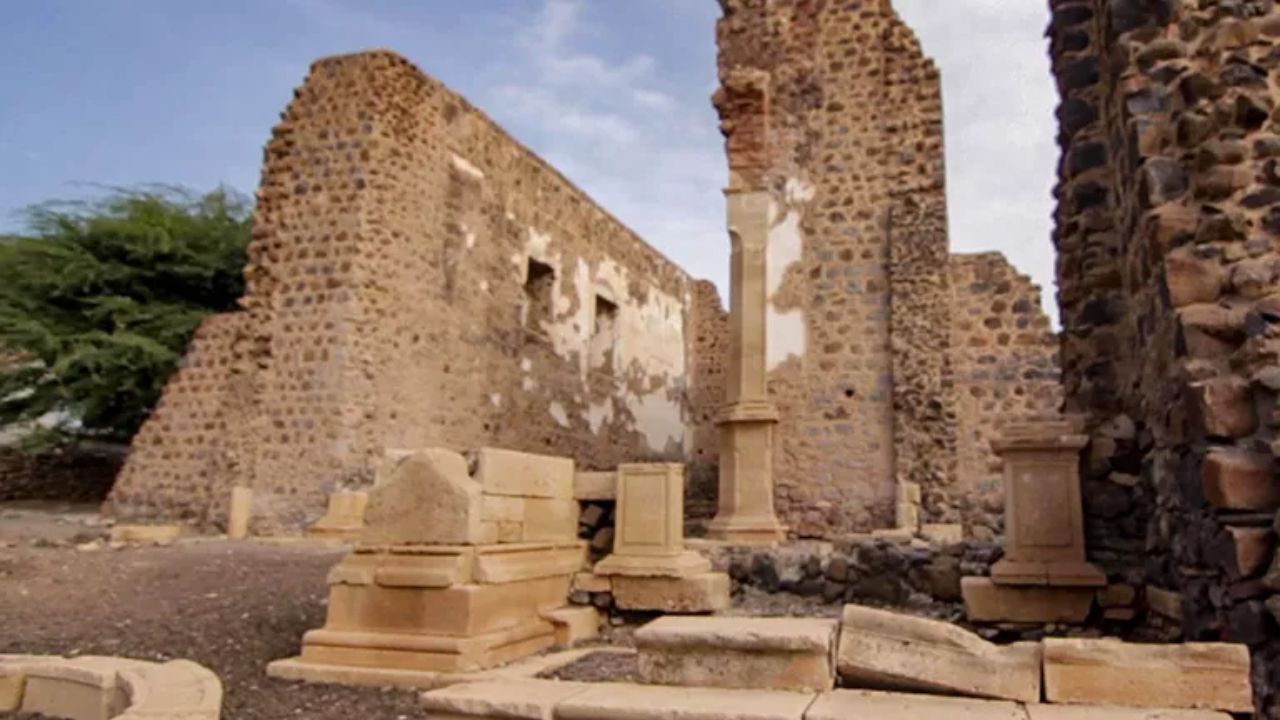
Cape Verde occupies a distinctive position in Portuguese colonial history, shaped by geography, maritime trade, and centuries of cultural exchange. Unlike many colonies that were conquered through large-scale settlement or military campaigns, Cape Verde developed primarily as a strategic hub in the Atlantic world. Its role as a stopping point for ships, a center of administration, and a crossroads of peoples made the islands central to Portugal’s imperial ambitions between Europe, Africa, and the Americas.
Discovery and Early Settlement
The islands of Cape Verde were uninhabited when Portuguese explorers arrived in the mid-15th century. Portugal formally claimed the archipelago in the 1460s, marking one of its earliest overseas colonial ventures. Settlement began soon after, particularly on Santiago Island, where the first permanent European town in the tropics was established.
Table of Contents
This early start made Cape Verde a testing ground for Portuguese colonial administration. Systems of governance, land distribution, and trade regulation developed on the islands before being applied elsewhere in the empire. The absence of an indigenous population also meant that Cape Verde’s society was formed entirely through migration and forced movement.
A Strategic Atlantic Hub
Cape Verde’s location off the West African coast made it invaluable to Portugal’s expanding maritime network. Ships traveling between Europe, Africa, and the Americas used the islands as a resupply and repair point. This strategic position turned Cape Verde into a logistical backbone of the Portuguese Atlantic system.
The islands also functioned as an administrative center for Portugal’s West African interests. Officials, merchants, and missionaries passed through Cape Verde, reinforcing its importance beyond its small size and limited natural resources.
Role in the Transatlantic Slave Trade
One of the most significant and troubling aspects of Cape Verde’s colonial history is its role in the transatlantic slave trade. Enslaved Africans were transported through the islands, where many were sold onward to the Americas. Some remained in Cape Verde, forming the foundation of the islands’ mixed population.
Cape Verde was not only a transit point but also a site where European and African cultures merged under coercive conditions. Language, religion, and social structures evolved in ways that reflected both Portuguese control and African resilience. This process deeply shaped Cape Verdean identity and distinguishes its colonial experience from many other territories.
Creole Society and Cultural Blending
Over time, Cape Verde developed a Creole society characterized by cultural and linguistic blending. Portuguese colonists, enslaved Africans, and later free people of color formed a population that did not fit neatly into European or African categories.
The emergence of Cape Verdean Creole languages, Catholic practices adapted to local realities, and unique social customs illustrates how colonial rule produced new cultural forms. These developments made Cape Verde one of the earliest examples of a Creole society within the Portuguese empire.
Economic Challenges and Marginalization
Despite its strategic value, Cape Verde was economically fragile throughout much of the colonial period. The islands lacked fertile land, suffered frequent droughts, and depended heavily on trade and external support. While Portugal relied on Cape Verde strategically, it invested relatively little in long-term development.
This neglect led to cycles of famine and emigration, pushing many Cape Verdeans to seek opportunities elsewhere in the Portuguese empire and later abroad. Migration became a defining feature of Cape Verdean history, linking the islands to communities across the Atlantic world.
Late Colonial Period and Path to Independence
In the 20th century, Cape Verde’s colonial relationship with Portugal began to shift. While Portugal maintained control longer than many European powers, nationalist movements gained momentum after World War II. Cape Verde’s struggle for independence was closely linked with that of Guinea-Bissau, sharing leadership and political vision.
Independence came in 1975, following political change in Portugal itself. Unlike violent decolonization elsewhere, Cape Verde’s transition was relatively peaceful, reflecting its unique colonial trajectory and political organization.
Conclusion
Cape Verde’s place in Portuguese colonial history is defined by its early settlement, strategic Atlantic role, involvement in the slave trade, and development of a Creole society. Rather than a peripheral outpost, the islands were central to Portugal’s imperial system and cultural legacy. Understanding this history helps explain Cape Verde’s modern identity, its strong diaspora ties, and its distinct position within the Lusophone world.

Marta Silva is a travel writer and certified island guide with over twelve years leading small-group tours across Cape Verde. Based in Praia, Cape Verde, her professional background combines on-the-ground guiding, itinerary planning, and hospitality consulting. Her expertise includes island itineraries, public transport logistics, sustainable travel tips, and local culture immersion. Marta authored the practical guidebook “Discovering Santiago” and contributes island guides for regional tourism publications; she has partnered with Cape Verde’s tourism board on community-based tourism initiatives and regular travel-workshops for visiting journalists.