

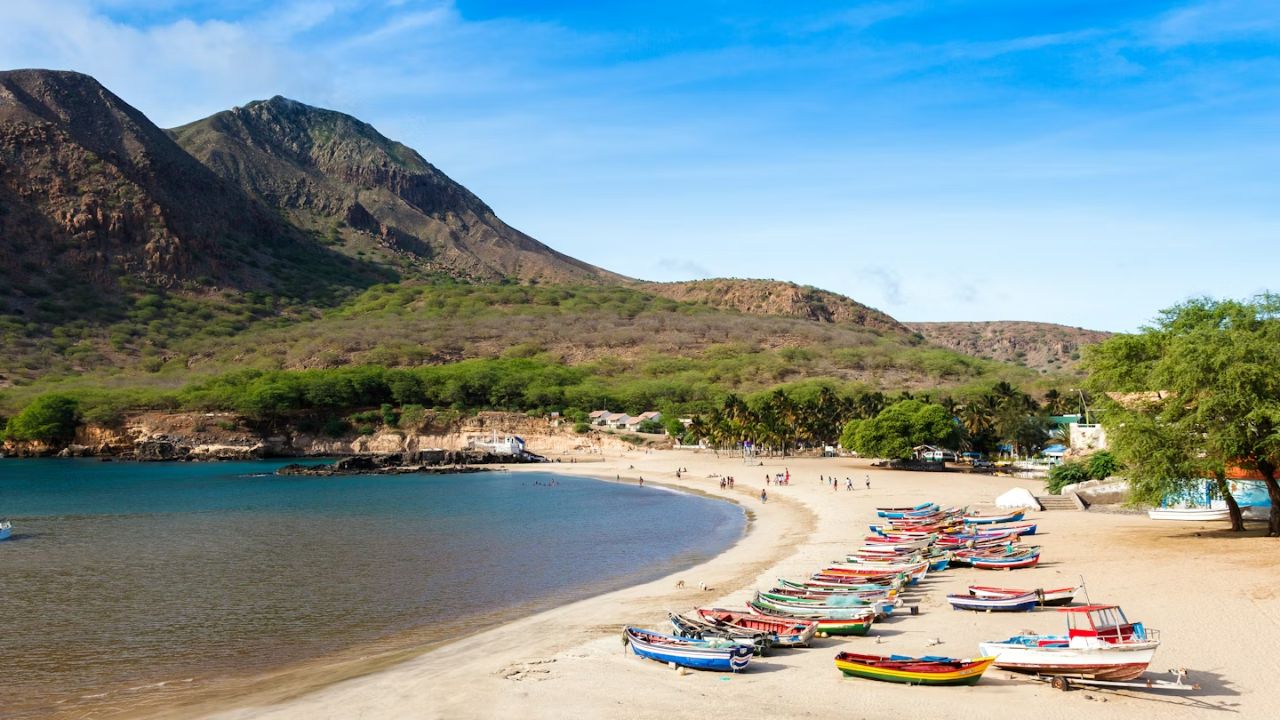
Cape Verde often surprises travelers when it comes to cost. Some expect it to be very cheap because it is an African destination, while others assume it is expensive due to its island geography. The reality sits somewhere in between. Travel costs in Cape Verde depend heavily on which islands you visit, your travel style, and the time of year.
This guide breaks down what you can realistically expect to spend on accommodation, food, transport, and daily expenses so you can plan your trip with clarity.
Table of Contents
Accommodation Costs in Cape Verde
Accommodation is usually the biggest expense for most visitors. Prices vary widely by island.
On resort-focused islands like Sal and Boa Vista, hotels and all-inclusive resorts dominate. Budget guesthouses can start around €30–€50 per night, while mid-range hotels often fall between €80–€140. All-inclusive resorts regularly cost €150–€250 per night, especially during peak season.
On more local islands such as Santiago, São Vicente, or Santo Antão, accommodation is noticeably cheaper. Guesthouses and small hotels commonly range from €25–€60 per night, with comfortable mid-range options available for €70–€110. These islands offer better value for travelers who want longer stays or cultural experiences.
Food and Dining Expenses
Food in Cape Verde is generally affordable, especially if you eat where locals eat.
A meal at a local restaurant or small family-run spot usually costs €6–€10 and includes fresh fish, rice, beans, or stew. Mid-range restaurants catering to tourists typically charge €12–€20 per meal. Dining at resort restaurants or high-end venues can push prices to €25–€35 per person.
Groceries are reasonably priced for local products but imported items can be expensive. Travelers staying in apartments should expect to spend slightly more on familiar international brands while saving money by buying local produce, bread, and seafood.
Transportation Costs Between and Within Islands
Transportation costs depend on how much island hopping you plan to do.
Inter-island flights are the fastest option and usually cost €80–€150 one way, depending on the route and season. Ferries are cheaper, often €20–€40, but schedules can be limited and weather dependent.
Within islands, transport is affordable. Shared minibuses known as aluguers usually cost €1–€3 for short trips. Taxis are reasonably priced, with most urban rides falling between €3–€8. Renting a car costs around €40–€70 per day, with higher prices on Sal and Boa Vista.
Activities and Entertainment Costs
Many of Cape Verde’s best experiences are low-cost or free. Beaches, hiking trails, and local markets cost nothing to enjoy.
Guided activities add to the budget. Boat tours, snorkeling trips, or island excursions usually range from €30–€70 per person. Specialized experiences such as diving, kite surfing lessons, or volcano hikes on Fogo can cost €80–€150.
Museums and cultural sites are inexpensive, often charging €2–€5 for entry.
Daily Budget Estimates
Your daily budget in Cape Verde depends on your travel style.
Budget travelers staying in guesthouses, eating locally, and using public transport can manage on €45–€65 per day.
Mid-range travelers who choose comfortable hotels, mix local and tourist restaurants, and take occasional tours should plan for €80–€120 per day.
Luxury travelers staying in resorts, renting cars, and booking private excursions can expect daily costs of €180 or more.
Seasonal Price Differences
Prices rise during the high season, which typically runs from November to April. This period brings better weather and increased demand, especially from European travelers. Accommodation and flights are noticeably more expensive during these months.
Low season, from August to October, offers better deals on hotels and tours. While temperatures are higher and occasional rain is possible, many travelers find this period more affordable and less crowded.
Is Cape Verde Expensive Compared to Other Destinations?
Cape Verde is more expensive than mainland African destinations but generally cheaper than many Caribbean islands. Travelers who avoid all-inclusive resorts and focus on local experiences often find Cape Verde to be good value for money.
The key to keeping costs reasonable is choosing the right island, booking accommodation early, and mixing tourist services with local options.
Final Thoughts on Cape Verde Travel Costs
Cape Verde is neither a bargain-basement destination nor a luxury-only escape. It offers flexible pricing that suits a wide range of budgets. Whether you are traveling on a modest budget or planning a resort-style holiday, understanding the cost structure helps you avoid surprises and enjoy the islands with confidence.
With smart planning, Cape Verde can be an affordable and rewarding destination that balances comfort, culture, and natural beauty.

Marta Silva is a travel writer and certified island guide with over twelve years leading small-group tours across Cape Verde. Based in Praia, Cape Verde, her professional background combines on-the-ground guiding, itinerary planning, and hospitality consulting. Her expertise includes island itineraries, public transport logistics, sustainable travel tips, and local culture immersion. Marta authored the practical guidebook “Discovering Santiago” and contributes island guides for regional tourism publications; she has partnered with Cape Verde’s tourism board on community-based tourism initiatives and regular travel-workshops for visiting journalists.