

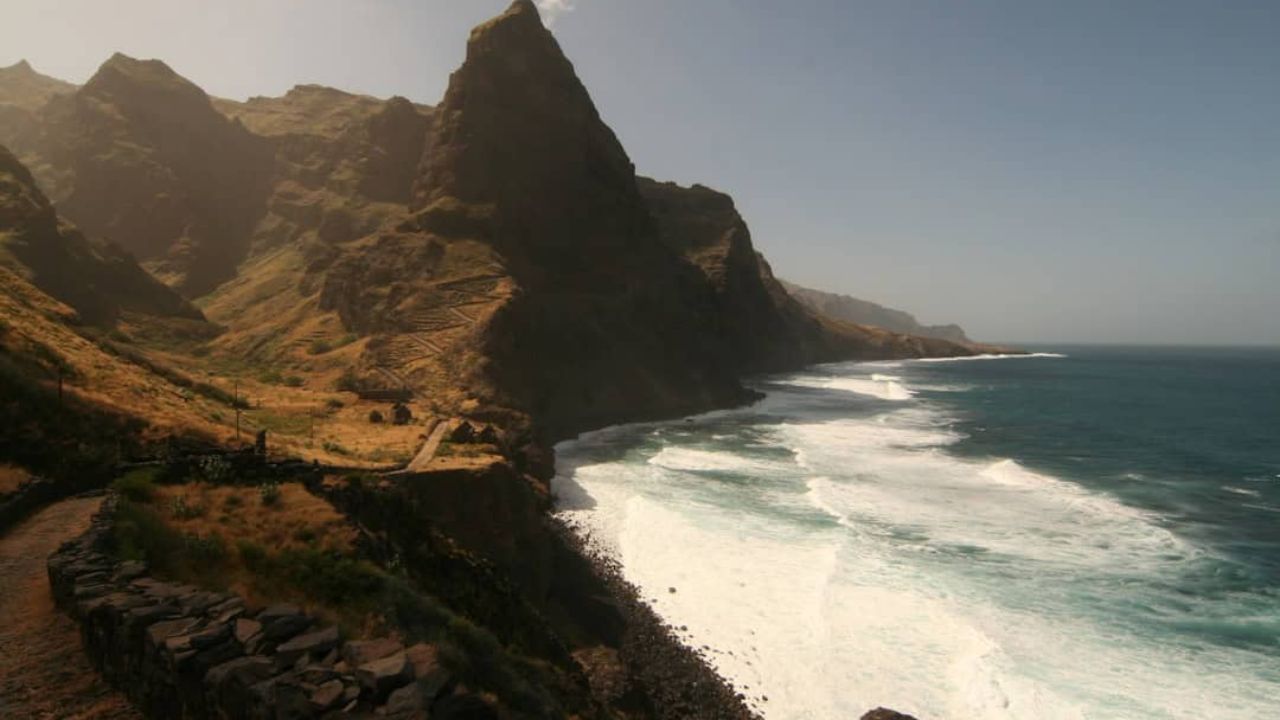
Cape Verde is famous for its year-round sunshine, clear skies, and beach-friendly climate. While this is one of the main reasons travelers choose the islands, many visitors underestimate how strong the sun can be. Understanding Cape Verde’s sun intensity and UV levels is essential for staying comfortable, healthy, and safe during your trip.
Located close to the Tropic of Cancer and surrounded by the Atlantic Ocean, Cape Verde experiences higher ultraviolet (UV) radiation than many parts of Europe and North America. This makes sun awareness especially important for tourists, even on days that feel cool or breezy.
Table of Contents
Why the Sun Is Stronger in Cape Verde
Cape Verde sits roughly between 14° and 17° north of the equator. This geographical position means the sun’s rays hit the islands at a more direct angle for most of the year. When sunlight travels a shorter distance through the atmosphere, less UV radiation is filtered out.
Several factors combine to increase sun intensity:
- Proximity to the equator
- Low cloud cover, especially during the dry season
- Reflective surfaces like sand, water, and light-colored stone
- Consistent trade winds that mask heat but not UV exposure
Because of the cooling winds, many visitors don’t feel overheated and stay in the sun longer than intended, increasing the risk of sunburn.
Typical UV Levels Throughout the Year
UV levels in Cape Verde are generally classified as high to extreme. On a standard UV index scale:
- Moderate: 3–5
- High: 6–7
- Very High: 8–10
- Extreme: 11+
In Cape Verde, UV levels frequently reach 8 to 11, especially between late morning and mid-afternoon.
During winter months (December to February), UV levels are slightly lower but still high compared to northern climates. From March through October, especially in summer, UV exposure becomes very strong, often reaching the “very high” or “extreme” category.
Sun Intensity by Time of Day
The sun is not equally strong throughout the day. In Cape Verde, the most intense UV exposure typically occurs between 11:00 a.m. and 3:00 p.m.
- Morning (before 10 a.m.): Pleasant and safer for outdoor activities
- Midday: Highest risk period for sunburn and skin damage
- Late afternoon: Still strong but gradually decreasing
Even on overcast or hazy days, UV rays penetrate clouds, meaning sun protection is still necessary.
How UV Exposure Affects Tourists
Short-term overexposure can cause:
- Painful sunburn
- Dehydration and heat exhaustion
- Eye irritation or photokeratitis
Long-term or repeated exposure increases the risk of:
- Premature skin aging
- Sunspots and pigmentation
- Skin cancer
Tourists with fair skin, children, and those not used to strong sunlight are particularly vulnerable during their first few days on the islands.
Common Sun Protection Mistakes Visitors Make
Many travelers assume that wind or mild temperatures reduce sun risk. In Cape Verde, trade winds cool the skin but do not lower UV radiation. Another common mistake is applying sunscreen only once per day or skipping protection when swimming.
Light cloud cover, early spring temperatures, and short beach visits can create a false sense of safety. Even short exposure without protection can result in sunburn.
Practical Sun Safety Tips for Cape Verde
Simple precautions can make a big difference:
- Use broad-spectrum sunscreen with SPF 30 or higher
- Reapply sunscreen every two hours and after swimming
- Wear a wide-brimmed hat and UV-protective sunglasses
- Choose lightweight, long-sleeved clothing for midday outings
- Seek shade during peak UV hours
- Stay hydrated, even when you don’t feel hot
Planning outdoor activities for mornings or late afternoons helps reduce cumulative exposure.
Sun Safety for Beach and Water Activities
Swimming, snorkeling, and boating increase UV exposure because water reflects sunlight. UV rays also penetrate shallow water, meaning you can burn while swimming.
Water-resistant sunscreen, rash guards, and regular shade breaks are especially important for beach days. Children should be protected with hats, UV swim shirts, and frequent sunscreen reapplication.
Final Thoughts for Travelers
Cape Verde’s sunshine is one of its greatest attractions, but it deserves respect. High UV levels are a year-round reality across the islands, regardless of season or temperature. With proper awareness and simple protective habits, visitors can enjoy beaches, hikes, and outdoor culture comfortably and safely.
Understanding sun intensity before you arrive helps you plan smarter, avoid unnecessary discomfort, and make the most of Cape Verde’s beautiful climate without unwanted surprises.

Joao Fernandes is a climatologist and historian specializing in Cape Verde’s weather patterns and island history, with fifteen years at the national meteorological institute and university research. Based in Praia, Cape Verde, his professional background blends climate analysis, historical archival research, and public policy advising. His expertise covers seasonal wind and rainfall forecasts, climate resilience for coastal communities, and archival studies of colonial-era records. Joao co-authored the book “Climate and Culture of Cape Verde,” published peer-reviewed papers, and advised municipal planners on weather-informed heritage conservation.