

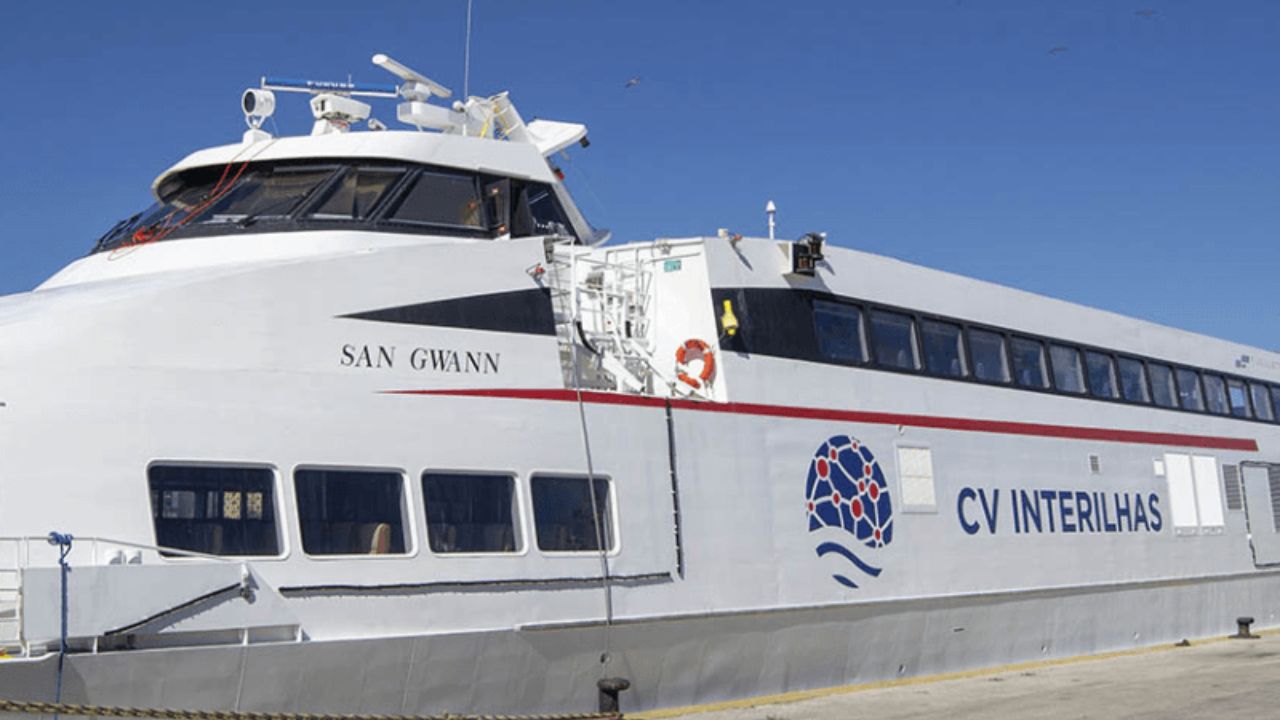
Traveling between islands is a normal part of exploring Cape Verde. Unlike destinations where everything is connected by roads, Cape Verde is an archipelago of separate islands, and moving between them requires planning. Flights and ferries both play an important role, but costs, schedules, and reliability vary by island and season.
This guide explains how inter-island travel really works, what most travelers choose, and what to budget before you arrive.
Table of Contents
Understanding Inter-Island Travel in Cape Verde
Cape Verde has 9 inhabited islands, spread across hundreds of kilometers in the Atlantic Ocean. Because of this distance, there is no single transport option that works for every route.
In general:
- Flights are faster and more reliable
- Ferries are cheaper but weather-dependent
- Some islands are easy to combine, others are not
Knowing this before planning your itinerary can save time, money, and frustration.
Inter-Island Flights in Cape Verde
Flights are the most popular and dependable way to travel between islands, especially for visitors on a short schedule.
Domestic Airlines and Routes
Domestic flights connect most major islands, including:
- Sal
- Santiago (Praia)
- São Vicente (Mindelo)
- Boa Vista
- Fogo
- Santo Antão (via São Vicente ferry connection)
Flights usually operate multiple times per day on busy routes like Sal ↔ Santiago and Sal ↔ São Vicente, while smaller islands may have fewer weekly services.
Flight Duration
Inter-island flights are short:
- Most flights take 30 to 60 minutes
- Longest routes rarely exceed 90 minutes
This makes flights ideal for travelers who want to visit more than one island without losing entire days to transport.
Cost of Inter-Island Flights
Typical one-way flight costs:
- €60–€120 per person
- Prices rise during holidays and festivals
- Baggage fees may apply on cheaper fares
Booking early is strongly recommended, especially during peak travel months.
Pros and Cons of Flying
Advantages
- Fast and time-efficient
- More reliable than ferries
- Best for tight itineraries
Disadvantages
- More expensive than ferries
- Limited luggage on some fares
- Fewer daily flights on smaller routes
Inter-Island Ferries in Cape Verde
Ferries connect several islands and are widely used by locals. For travelers, ferries can be a good option if schedules and weather cooperate.
Main Ferry Routes
Popular ferry routes include:
- São Vicente ↔ Santo Antão
- Santiago ↔ Fogo
- Santiago ↔ Maio
- São Vicente ↔ São Nicolau
Not all islands are connected by ferry, and some routes operate only a few times per week.
Ferry Travel Time
Ferry journeys are much longer than flights:
- Short routes: 1–2 hours
- Longer routes: 4–8 hours
- Delays are common due to sea conditions
Ferry Ticket Costs
Ferry prices are lower than flights:
- €15–€40 one way
- Prices vary by distance and vessel type
- Seating classes may affect comfort
Pros and Cons of Ferries
Advantages
- Lower cost
- Scenic ocean views
- Popular with locals
Disadvantages
- Weather-dependent
- Delays and cancellations
- Seasickness risk
Which Option Is Better: Flights or Ferries?
The best choice depends on your route, schedule, and travel style.
Flights are best if:
- You are short on time
- Traveling between distant islands
- Visiting Sal, Boa Vista, Santiago, or São Vicente
Ferries are better if:
- Traveling short distances
- You have flexible plans
- Budget is a priority
Many travelers use a combination of both during a single trip.
Typical Inter-Island Travel Costs
Here is a realistic budget estimate per person (one way):
- Flights: €60–€120
- Ferries: €15–€40
- Port or airport transfers: €5–€20
For multi-island trips, inter-island transport can become a significant part of your overall travel cost.
Important Planning Tips
Book Transport Early
Flights and ferries can sell out, especially around festivals and holidays.
Avoid Tight Connections
Delays happen. Leave buffer time between arrivals and onward plans.
Check Weather Conditions
Strong winds and rough seas can affect ferries, especially in winter months.
Travel Light
Smaller planes have strict baggage limits, and ferries can be crowded.
Final Thoughts
Inter-island travel in Cape Verde is manageable but not spontaneous. With realistic expectations and early planning, moving between islands can be smooth and even enjoyable. Flights offer speed and convenience, while ferries provide budget options and local atmosphere.
Choosing the right transport for each route will help you experience more of Cape Verde without unnecessary stress, allowing you to focus on the islands themselves rather than how to reach them.

Joao Fernandes is a climatologist and historian specializing in Cape Verde’s weather patterns and island history, with fifteen years at the national meteorological institute and university research. Based in Praia, Cape Verde, his professional background blends climate analysis, historical archival research, and public policy advising. His expertise covers seasonal wind and rainfall forecasts, climate resilience for coastal communities, and archival studies of colonial-era records. Joao co-authored the book “Climate and Culture of Cape Verde,” published peer-reviewed papers, and advised municipal planners on weather-informed heritage conservation.