

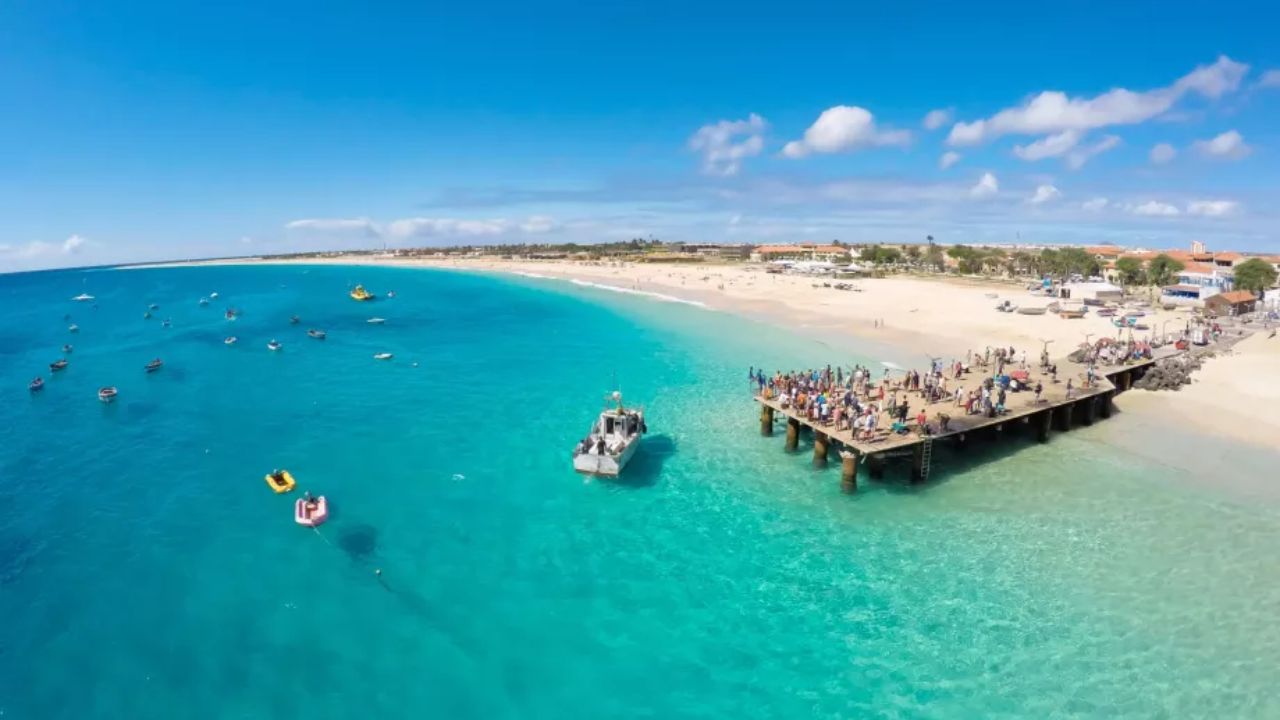
Cape Verde and the Caribbean are often mentioned together because both offer island escapes, warm temperatures, and ocean-centered travel. However, their climates are quite different in ways that significantly affect comfort, activities, and travel planning. Understanding these differences helps travelers choose the destination that best matches their expectations.
Geographic Location and Climate Influence
Cape Verde sits off the northwest coast of Africa in the Atlantic Ocean. Its climate is shaped by the Sahara Desert, Atlantic trade winds, and a semi-arid environment. In contrast, Caribbean islands are located in the tropical Atlantic and Caribbean Sea, closer to the equator, where warm ocean currents and moist air dominate.
Table of Contents
This geographic difference explains why Cape Verde feels drier and breezier, while the Caribbean is warmer, more humid, and greener year-round.
Temperature Differences Throughout the Year
Cape Verde enjoys mild, stable temperatures across all seasons. Daytime temperatures usually range between 23°C and 30°C (73°F to 86°F). Even in summer, extreme heat is rare due to cooling ocean breezes.
Caribbean islands are warmer overall. Average daytime temperatures often sit between 26°C and 32°C (79°F to 90°F), with higher humidity making the heat feel more intense. Nighttime temperatures also stay warmer than in Cape Verde, especially during summer.
Travelers sensitive to heat often find Cape Verde more comfortable, particularly during peak summer months.
Humidity and Comfort Levels
One of the biggest differences is humidity. Cape Verde has low to moderate humidity for most of the year, creating dry, breathable air. This makes outdoor activities like hiking, city walking, and beach time more comfortable.
The Caribbean has high humidity, especially from late spring through fall. The air can feel heavy, and sweating is common even with minimal activity. While this lush climate supports tropical forests and vibrant vegetation, it can feel uncomfortable for some travelers.
For visitors who prefer dry warmth over sticky heat, Cape Verde has a clear advantage.
Rainfall and Seasons
Cape Verde has a very short and limited rainy season, typically from August to October. Even during this period, rainfall is irregular and often brief. Many islands remain dry most of the year, with desert-like landscapes.
The Caribbean experiences a longer rainy season, usually from May to November. Rainfall can be frequent, though often in short tropical downpours. These rains contribute to the region’s lush greenery but can disrupt outdoor plans.
If consistent sunshine is a priority, Cape Verde generally offers more predictable weather.
Wind Patterns and Ocean Conditions
Cape Verde is famous for its trade winds, especially between November and March. These winds keep temperatures comfortable and make the islands a global hotspot for wind sports like kitesurfing and windsurfing.
The Caribbean has calmer wind conditions overall, though breezes are common. Sea conditions are often smoother, which appeals to swimmers, snorkelers, and cruise travelers.
Wind-sensitive travelers may prefer the Caribbean, while adventure sports enthusiasts often choose Cape Verde.
Hurricanes and Extreme Weather
Hurricanes are a major climate concern in the Caribbean. The official hurricane season runs from June to November, with the highest risk between August and October. Storms can disrupt travel plans and cause significant damage.
Cape Verde rarely experiences hurricanes directly. While some Atlantic storms form near Cape Verde, they usually intensify as they move west toward the Caribbean. This makes Cape Verde one of the safest Atlantic island destinations in terms of extreme weather.
Risk-averse travelers often consider this a major advantage.
Landscape and Environmental Impact
Climate shapes the environment. Cape Verde’s dry conditions create volcanic landscapes, rocky coastlines, and sparse vegetation, especially on islands like Sal and Boa Vista. Green valleys exist, but they are limited.
The Caribbean’s humid climate supports rainforests, waterfalls, and dense plant life. Islands like Jamaica, Dominica, and Puerto Rico are lush and tropical year-round.
Your preference for desert-like beauty or tropical greenery plays a key role in choosing between the two.
Which Climate Is Better for Travelers?
Cape Verde is ideal for travelers who want:
- Dry heat and low humidity
- Minimal rainfall and fewer weather disruptions
- Strong winds for water sports
- Comfortable temperatures year-round
The Caribbean suits travelers who prefer:
- Tropical warmth and lush scenery
- Calm seas for swimming and cruising
- Classic humid island weather
- Diverse ecosystems and rainforests
Final Thoughts
While Cape Verde and the Caribbean both deliver island experiences, their climates feel very different. Cape Verde offers a dry, breezy, and stable climate shaped by Africa and the Atlantic, while the Caribbean delivers a classic tropical environment with heat, humidity, and seasonal rain.
Choosing between them comes down to comfort preferences, activity plans, and tolerance for humidity and weather variability. For many travelers, Cape Verde’s predictable and dry climate makes it a refreshing alternative to the traditional Caribbean island experience.

Joao Fernandes is a climatologist and historian specializing in Cape Verde’s weather patterns and island history, with fifteen years at the national meteorological institute and university research. Based in Praia, Cape Verde, his professional background blends climate analysis, historical archival research, and public policy advising. His expertise covers seasonal wind and rainfall forecasts, climate resilience for coastal communities, and archival studies of colonial-era records. Joao co-authored the book “Climate and Culture of Cape Verde,” published peer-reviewed papers, and advised municipal planners on weather-informed heritage conservation.