

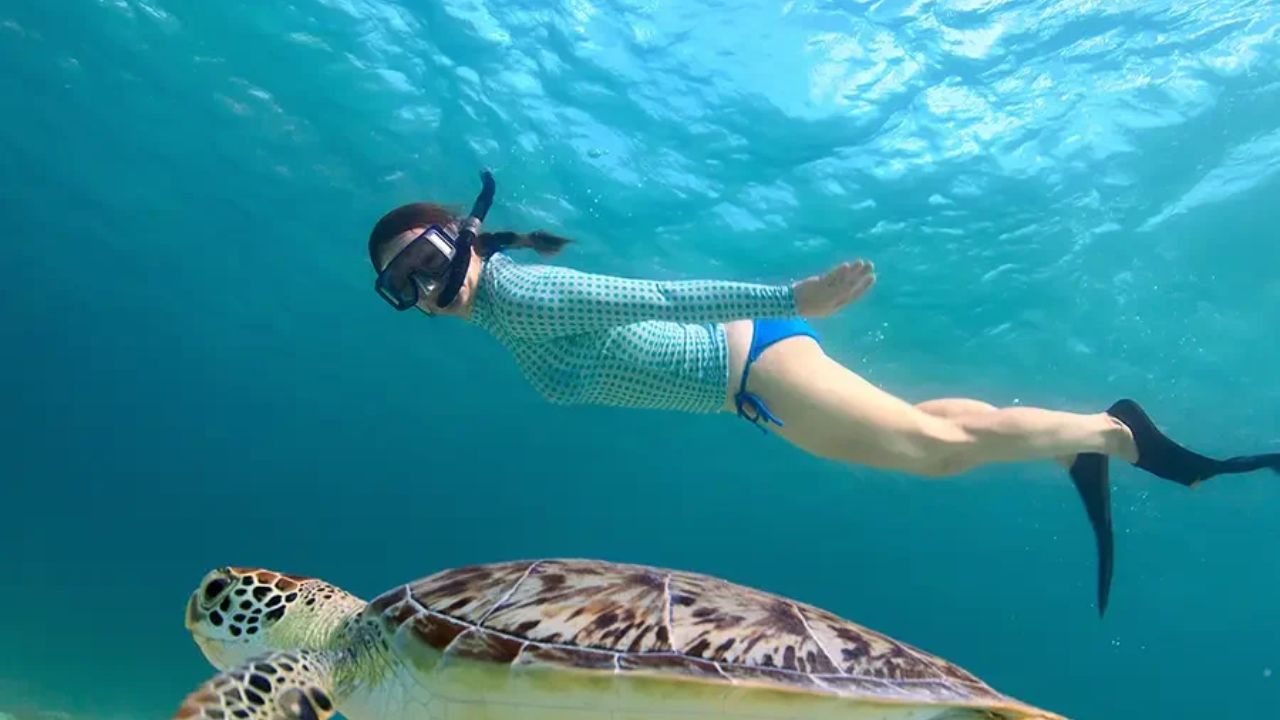
Cape Verde’s warm Atlantic waters, clear visibility, and diverse marine life make it an appealing destination for swimming and snorkeling. However, ocean conditions change throughout the year due to trade winds, sea temperatures, and seasonal currents. Choosing the right months can significantly improve your experience, especially if you prefer calm water and good underwater visibility.
This guide explains the best months for swimming and snorkeling in Cape Verde, with clear seasonal breakdowns to help you plan confidently.
Table of Contents
Understanding Sea Conditions in Cape Verde
Cape Verde sits in the Atlantic Ocean off the coast of West Africa, which means conditions differ slightly from tropical Caribbean destinations. Water temperatures remain relatively stable year-round, but wind and swell patterns vary by season.
Sea temperatures usually range from about 22°C to 27°C. Visibility is often excellent, especially around sandy islands and protected bays. Wind is the main factor that can affect comfort, particularly for casual swimmers and beginner snorkelers.
Best Overall Months: June to October
For most travelers, June through October offers the best balance of warm water, calmer seas, and comfortable swimming conditions.
During these months, sea temperatures rise to their annual peak, often reaching 26°C or higher. The warmer water makes longer swims enjoyable without the need for wetsuits. Winds are generally lighter than in winter, reducing surface chop and making snorkeling more accessible.
Visibility remains good, especially in sheltered areas. Marine life activity is also high, with reef fish, rays, and turtles frequently spotted. August and September are particularly attractive for relaxed swimming, as water temperatures are at their warmest.
Best Months for Snorkeling Visibility: May to July
If underwater clarity is your top priority, late spring and early summer are excellent choices.
May, June, and early July often combine improving water warmth with relatively calm seas. Plankton levels are moderate, allowing for clear views of coral formations, volcanic rock structures, and fish schools. These months are well suited for snorkeling excursions around islands like Sal and Boa Vista, where shallow reefs and sandy bottoms enhance visibility.
Crowds are also lighter than during peak winter tourism months, offering a more relaxed experience both in and out of the water.
Winter Months: December to March
Winter in Cape Verde attracts many visitors, but it is not ideal for everyone when it comes to swimming and snorkeling.
Sea temperatures drop to around 22°C to 23°C, which some swimmers may find cool without a light wetsuit. Stronger trade winds are common, creating choppier surface conditions, especially on exposed beaches.
That said, sheltered coves and leeward sides of islands can still offer pleasant snorkeling on calm days. Islands such as São Vicente have protected bays where swimming remains comfortable even during winter. This season is better suited for confident swimmers and travelers who prioritize other activities like hiking or cultural exploration alongside occasional water time.
Rainy Season Considerations: August and September
Cape Verde’s rainy season is short and generally mild, peaking in August and September. Rainfall usually comes in brief bursts rather than long, continuous downpours.
For swimming and snorkeling, this period remains very favorable. Sea temperatures are at their highest, and rain rarely affects ocean visibility for extended periods. In fact, these months often provide some of the calmest and warmest conditions of the year.
Travelers should simply stay flexible and plan water activities around short weather changes.
Island Differences That Matter
Not all Cape Verde islands offer the same conditions. Flat, sandy islands like Sal and Boa Vista are popular for swimming and snorkeling because of their accessible beaches and clear water. More mountainous islands may have stronger currents or fewer sheltered entry points.
Choosing the right island and beach is just as important as choosing the right month, especially if snorkeling is a priority.
Final Thoughts on Timing Your Visit
The best months for swimming and snorkeling in Cape Verde are generally June through October, with May to July offering excellent visibility and August to September delivering the warmest water. Winter months are still possible for water activities but require more attention to wind and location.
By aligning your travel dates with these seasonal patterns, you can enjoy Cape Verde’s ocean at its best and make the most of its clear, inviting Atlantic waters.

Marta Silva is a travel writer and certified island guide with over twelve years leading small-group tours across Cape Verde. Based in Praia, Cape Verde, her professional background combines on-the-ground guiding, itinerary planning, and hospitality consulting. Her expertise includes island itineraries, public transport logistics, sustainable travel tips, and local culture immersion. Marta authored the practical guidebook “Discovering Santiago” and contributes island guides for regional tourism publications; she has partnered with Cape Verde’s tourism board on community-based tourism initiatives and regular travel-workshops for visiting journalists.