

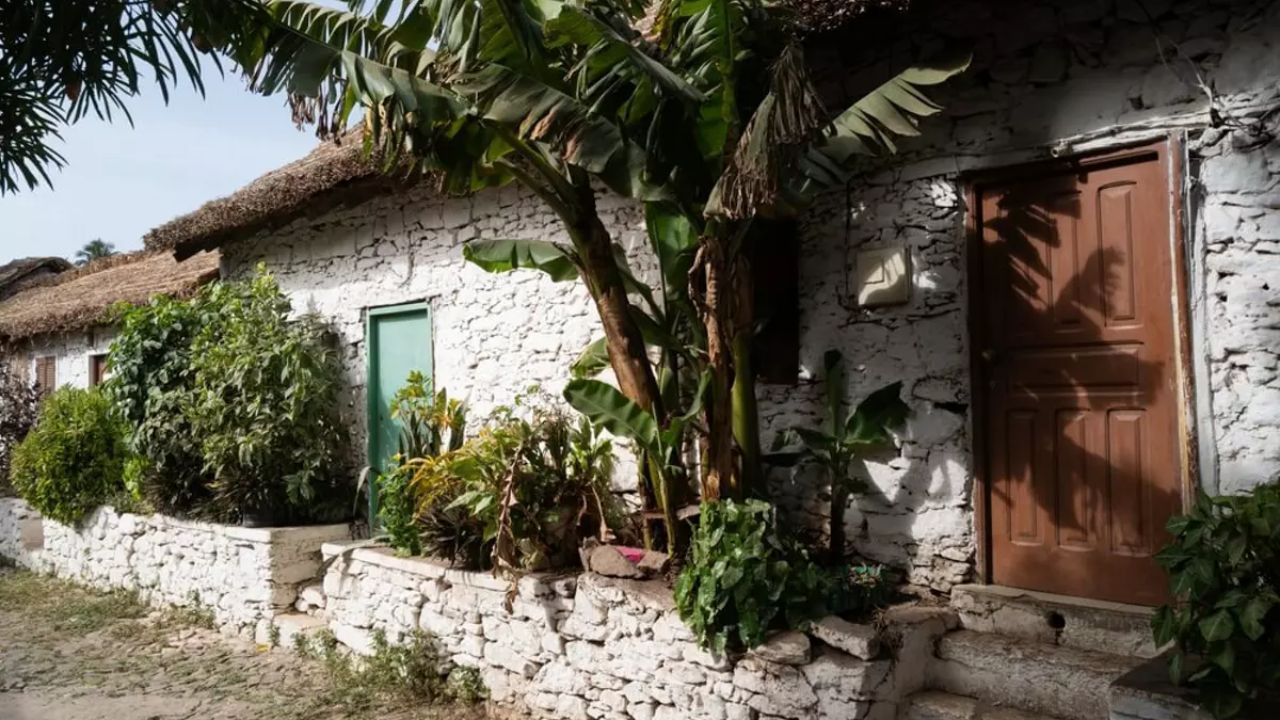
While many travelers focus on beach resorts in Sal or Boa Vista, the true soul of Cape Verde often lives in its remote villages. Tucked into mountain valleys, perched along rugged coastlines, or built on volcanic slopes, these small communities offer something resorts cannot — authenticity.
Visiting remote villages in Cape Verde means slower rhythms, local hospitality, traditional music, and food prepared from family gardens or fresh catch from the sea. It also provides insight into how island life functions beyond tourism zones.
Table of Contents
For travelers seeking culture, hiking, photography, or meaningful connection, these lesser-known places are worth the journey.
Santo Antão’s Mountain Villages
Santo Antão is widely considered the most dramatic island in the archipelago. Deep valleys, sharp ridges, and agricultural terraces define its landscape. The island’s remote villages are often accessible only by winding mountain roads or hiking trails.
Villages in the Paul Valley are surrounded by sugarcane fields, banana plantations, and coffee groves. Life here moves at a relaxed pace. Farmers work the land using traditional methods, and many guesthouses are family-run.
These villages are ideal for:
- Hiking enthusiasts
- Nature photographers
- Travelers interested in rural Cape Verdean life
The combination of mountain scenery and strong community traditions makes Santo Antão one of the best islands for exploring remote Cape Verde villages.
Chã das Caldeiras on Fogo Island
Located inside the crater of Fogo’s active volcano, Chã das Caldeiras is one of the most unique remote villages in Cape Verde. The landscape is stark and volcanic, with black lava fields surrounding small stone houses.
Despite eruptions in recent years, the community rebuilt and continues to produce local wine grown in volcanic soil. Visiting here feels like stepping into another world.
Travelers come to:
- Climb Pico do Fogo
- Learn about volcanic resilience
- Taste locally produced wine
Because of its elevation and isolation, life here is shaped by the volcano itself. It is remote, powerful, and unforgettable.
Ribeira da Barca in Santiago
On Santiago Island, Ribeira da Barca is a coastal fishing village far removed from the capital city of Praia. Colorful boats line the shore, and fishing remains central to daily life.
This village offers a look into maritime traditions that have shaped Cape Verde for centuries. Fresh seafood, ocean views, and community gatherings define the experience.
Unlike resort areas, Ribeira da Barca feels deeply local. Visitors should approach respectfully, support small businesses, and take time to understand the rhythms of village life.
Tarrafal de Monte Trigo
On the western side of Santo Antão, Tarrafal de Monte Trigo is one of the island’s most isolated settlements. Surrounded by mountains and accessible by a rugged road, it remains largely untouched by mass tourism.
The village is known for:
- Quiet black-sand beaches
- Fresh grilled seafood
- Peaceful sunsets
Electricity and infrastructure have improved in recent years, but the village retains its calm, traditional atmosphere. It is perfect for travelers who want disconnection and natural beauty.
What to Expect in Remote Areas
Remote villages in Cape Verde are not luxury destinations. Infrastructure may be basic. Roads can be rough. Ferry schedules may change due to weather.
However, these villages offer something more valuable — genuine interaction. Visitors often find:
- Strong community bonds
- Traditional music such as morna or coladeira
- Simple but flavorful home-style meals
- Guesthouses run by local families
Patience and flexibility are important. Weather conditions, especially wind, can affect travel plans between islands.
Responsible Travel in Remote Villages
Because these communities are small, responsible tourism matters. Supporting locally owned guesthouses, eating at small restaurants, and hiring local guides ensures your visit contributes positively.
Dress modestly in rural areas, ask permission before photographing people, and respect local customs. Learning a few words in Portuguese or Cape Verdean Creole can also go a long way.
Travelers who approach remote Cape Verde villages with curiosity and humility often leave with deeper cultural understanding.
Final Thoughts
Remote villages in Cape Verde reveal a side of the islands that many tourists never see. From the green valleys of Santo Antão to the volcanic plains of Fogo and the fishing communities of Santiago, these destinations highlight resilience, tradition, and connection to land and sea.
For those willing to go beyond the typical beach itinerary, the reward is meaningful travel rooted in real places and real people. Cape Verde’s remote villages are not just worth visiting — they are essential to understanding the archipelago itself.

Marta Silva is a travel writer and certified island guide with over twelve years leading small-group tours across Cape Verde. Based in Praia, Cape Verde, her professional background combines on-the-ground guiding, itinerary planning, and hospitality consulting. Her expertise includes island itineraries, public transport logistics, sustainable travel tips, and local culture immersion. Marta authored the practical guidebook “Discovering Santiago” and contributes island guides for regional tourism publications; she has partnered with Cape Verde’s tourism board on community-based tourism initiatives and regular travel-workshops for visiting journalists.