

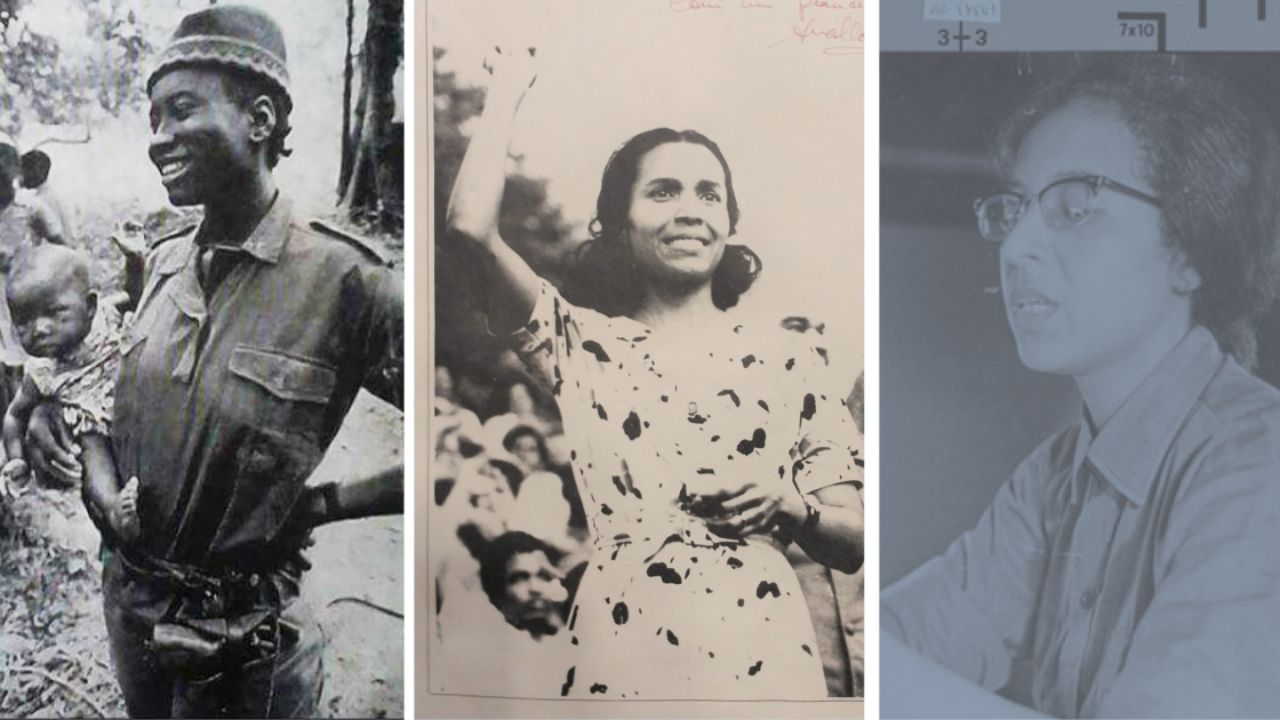
Women have played a central yet often under-recognized role in shaping Cape Verde’s social, economic, and political life. From the early colonial period to the decades following independence, women in the islands have navigated slavery, migration, drought, political struggle, and modernization while sustaining families and communities. Understanding the history of Cape Verde without examining the experiences and leadership of women leaves the story incomplete.
Women During the Early Colonial Period
Cape Verde was uninhabited before Portuguese settlement in the 15th century. As the islands became a key hub in the Atlantic slave trade, African women were brought to the archipelago under systems of enslavement and forced labor. These women were central to the formation of Cape Verdean Creole society.
Table of Contents
African women contributed agricultural knowledge, food traditions, healing practices, and language patterns that shaped emerging Creole culture. Many endured harsh conditions, but they also formed family networks that helped preserve cultural memory. Over time, free and enslaved women alike became small-scale traders, domestic workers, and market vendors, particularly in urban centers such as Ribeira Grande (Cidade Velha).
Women’s roles during this period were shaped by both racial hierarchy and gender norms. While Portuguese colonial structures limited formal political power, women exercised influence within households, marketplaces, and religious communities.
Women and Survival in Times of Drought and Migration
Cape Verde’s history has been marked by repeated droughts and famine, especially between the 18th and early 20th centuries. These crises forced large waves of male migration, particularly to the United States, Portugal, and other parts of West Africa.
As men left in search of work, women became heads of households across the islands. They managed agriculture, raised children, handled remittances, and sustained local economies. This pattern strengthened a tradition of female-led households that remains visible in Cape Verdean society today.
Women’s economic resilience during these periods was critical. They maintained food systems, informal markets, and community solidarity networks. Although often excluded from formal colonial governance, they shaped everyday survival strategies that kept communities functioning during hardship.
Women in the Independence Movement
By the mid-20th century, anti-colonial movements were gaining momentum across Portuguese territories. Cape Verde’s path to independence was closely linked with Guinea-Bissau through the African Party for the Independence of Guinea and Cape Verde (PAIGC).
Women played meaningful roles in political mobilization, community education, and nationalist organizing. While many leadership positions were male-dominated, women contributed as educators, communicators, and grassroots organizers. They helped spread ideas about liberation and self-determination, particularly in rural communities.
The independence of Cape Verde in 1975 marked a turning point. The new nation emphasized education, healthcare, and gender inclusion as part of its development agenda. Although progress was gradual, the post-independence government promoted greater female participation in public life.
Education and Expanding Opportunities After Independence
Following independence, literacy campaigns and expanded access to schooling opened new pathways for women. Education became one of the strongest drivers of social mobility. Girls’ school enrollment steadily improved, and women increasingly entered professions such as teaching, healthcare, and public administration.
Urbanization also shifted gender roles. In cities like Praia and Mindelo, women began participating more visibly in formal employment sectors. However, traditional responsibilities within households continued alongside professional roles, creating a dual burden that many women still navigate.
Despite challenges, Cape Verde emerged as one of the more stable and progressive nations in West Africa regarding gender equality indicators. Legal reforms supported women’s rights in marriage, property ownership, and political participation.
Women in Politics and Public Leadership
In the post-colonial era, Cape Verdean women gradually gained representation in politics and civic institutions. Female ministers, parliamentarians, judges, and municipal leaders became more common over time.
Political participation was strengthened by civil society organizations advocating for gender equality and social reform. Women’s associations focused on education, health, and economic empowerment. Although parity has not been fully achieved, women’s visibility in governance continues to grow.
Cape Verde’s democratic stability has provided a platform for advancing women’s rights through legal frameworks rather than conflict-driven change. This distinguishes its trajectory from some other post-colonial contexts.
Cultural Influence and Diaspora Contributions
Women have also shaped Cape Verde’s cultural identity. In music, literature, and oral storytelling traditions, female voices have been central to preserving and transmitting history. Morna and other musical forms often reflect themes of migration, longing, and resilience—experiences deeply connected to women’s lives.
The Cape Verdean diaspora, particularly in the United States and Europe, has further expanded women’s influence. Diaspora women have maintained transnational family networks, supported development projects, and strengthened cultural exchange between the islands and global communities.
Remittances sent home frequently flow through female-managed households, reinforcing women’s financial responsibility and decision-making roles.
Continuing Challenges and Progress
While Cape Verde has made notable strides in gender equality, challenges remain. Economic vulnerability, informal labor, and gender-based violence continue to affect segments of the population. Rural communities may face different barriers than urban areas, especially regarding employment and healthcare access.
At the same time, women-led entrepreneurship, higher education participation, and civic activism are rising. Younger generations of Cape Verdean women are increasingly engaged in technology, environmental advocacy, and creative industries.
Conclusion
From the colonial era to independence and beyond, women in Cape Verde have been foundational to the nation’s survival and development. They sustained families during migration waves, contributed to political transformation, advanced education, and shaped cultural identity across generations.
Their history reflects resilience under colonial rule, adaptability during economic hardship, and expanding leadership in a modern democratic state. Any meaningful understanding of Cape Verde’s past and present must recognize the central role women have played—and continue to play—in shaping the archipelago’s story.

Marta Silva is a travel writer and certified island guide with over twelve years leading small-group tours across Cape Verde. Based in Praia, Cape Verde, her professional background combines on-the-ground guiding, itinerary planning, and hospitality consulting. Her expertise includes island itineraries, public transport logistics, sustainable travel tips, and local culture immersion. Marta authored the practical guidebook “Discovering Santiago” and contributes island guides for regional tourism publications; she has partnered with Cape Verde’s tourism board on community-based tourism initiatives and regular travel-workshops for visiting journalists.